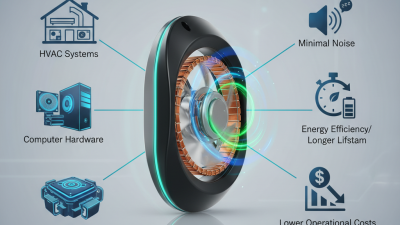
Top Rated DC Fan AC Fan for Efficient Cooling Solutions?
In the quest for efficient cooling solutions, the choice between a DC fan and an AC fan can be critical. Industry expert Dr. Emily Harris states, "Choosing the right fan technology can drastically affect energy consumption and comfort." This highlights the importance of informed decision-making in the world of cooling systems.
DC fans have gained popularity for their energy efficiency and quieter operation, making them suitable for residential and commercial use. In contrast, AC fans often provide more robust airflow but can be less energy-efficient. Understanding these differences is essential for customers seeking optimal cooling options.
Consumers may feel overwhelmed by the myriad of choices available. The impact of fan technology on energy bills can be significant, yet not everyone realizes this. Reflecting on personal experiences, it’s crucial to weigh the long-term benefits of investing in a high-quality DC fan or reliable AC fan against initial costs. Balancing efficiency, comfort, and budget can lead to more satisfactory cooling solutions.
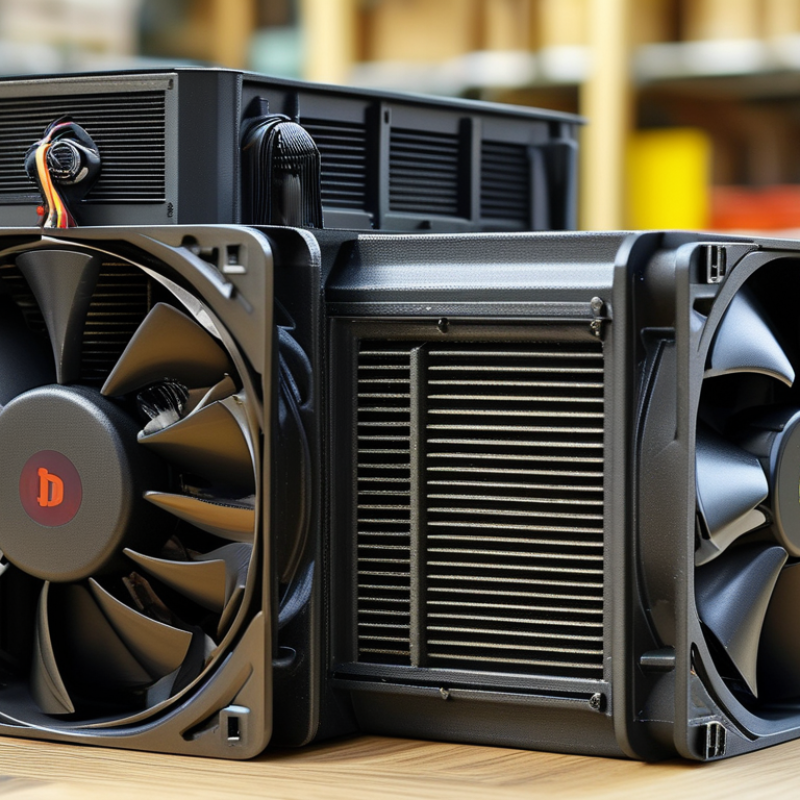
Understanding the Basics of DC and AC Fans in Cooling Solutions
When considering cooling solutions, it's essential to understand the differences between DC and AC fans. DC fans use direct current, promoting energy efficiency. Industry reports indicate that they can use up to 50% less energy than their AC counterparts. This reduction means significant savings on electricity bills, especially in industrial settings where large fans are used.
AC fans operate on alternating current and are typically robust, suitable for high-power applications. However, they can be less efficient, leading to higher operational costs. Data from energy studies reveal that AC fans may increase energy consumption due to their motor designs. This highlights the need for careful consideration when selecting fans for cooling systems.
Choosing between DC and AC fans often comes down to specific application needs. While AC fans may excel in durability, DC fans stand out in environments demanding energy efficiency. It's crucial to evaluate space requirements, noise levels, and expected fan lifespan. User experiences suggest both fan types come with their own set of challenges. Recognizing these potential drawbacks can help individuals and businesses make better-informed decisions.
Key Differences Between DC Fans and AC Fans for Home Use
DC fans and AC fans serve the essential purpose of cooling our homes, yet they exhibit notable differences in efficiency and operations. A report by the U.S. Department of Energy indicates that DC fans consume about 50% less energy compared to their AC counterparts. This is primarily due to the advanced motor technology utilized in DC fans, which allows for variable speed settings. Homeowners seeking economical cooling solutions should consider these factors carefully.
On the other hand, AC fans are often praised for their simplicity and lower upfront costs. They are widely available and easy to install. However, they typically have a fixed speed. In hot and humid climates, continuous use of an AC fan can significantly increase energy bills. Moreover, the noise levels of AC fans can be higher, which may detract from the comfort in living spaces.
An interesting note is that both fan types have their own ideal applications. DC fans excel in energy efficiency and quiet operation, making them suitable for bedrooms or living rooms. In contrast, AC fans may be preferred in larger, open spaces where cost is less of a concern. Homeowners should be mindful of these distinctions when selecting the best fan for their needs.
Advantages of Using DC Fans for Energy Efficiency and Cost Savings
DC fans offer significant advantages over traditional AC fans. Their energy efficiency stands out. According to the U.S. Department of Energy, DC fans consume up to 70% less energy. This reduction has substantial implications for households and businesses alike. Over time, lower energy use translates into cost savings on electricity bills. This can be especially important in regions with high energy costs.
Moreover, DC fans operate at quieter levels. A report from the Environmental Protection Agency indicates that lower noise levels contribute to a better quality of life. This is crucial in residential settings or workplaces. People often prefer a serene environment when focusing on tasks. The quiet operation of DC fans complements this need.
However, it is essential to recognize that DC fans can have higher upfront costs. While the investment is often justified by long-term savings, some users might hesitate to make that initial purchase. Understanding the balance between cost and efficiency can lead to better decisions. As energy concerns rise globally, exploring solutions like DC fans becomes increasingly relevant.
Top Rated DC Fan AC Fan for Efficient Cooling Solutions
| Feature |
DC Fans |
AC Fans |
| Energy Efficiency |
High |
Moderate |
| Operating Cost |
Lower |
Higher |
| Noise Level |
Low |
Moderate to High |
| Lifespan |
Longer |
Shorter |
| Initial Cost |
Higher |
Lower |
| Control Options |
Advanced Controls Available |
Basic Controls |
Choosing the Right Fan: Factors to Consider for Optimal Performance
When selecting a fan for cooling, several factors play a crucial role. The size of the fan should match the space you want to cool. A powerful fan in a small room can create discomfort. Conversely, a small fan in a large area may be inefficient. Consider the fan’s airflow rate. This is often measured in cubic feet per minute (CFM). A higher CFM usually indicates better cooling performance.
Noise level is another vital factor. Some fans operate quietly while others can disrupt your peace. It's essential to explore noise ratings, especially for bedrooms or offices. Energy efficiency also matters. Look for fans that consume less power while delivering effective cooling. This will save you money on electricity bills.
Don’t forget about the fan's design. An aesthetically pleasing fan can enhance your room. However, functionality should be prioritized. Lastly, consider the ease of cleaning. Dust buildup can impact performance and indoor air quality. Reflecting on these elements can help in making an informed decision, ensuring your cooling solution is effective and appropriate for your needs.
Top Rated DC Fan vs AC Fan: Cooling Performance Comparison
Top Rated DC and AC Fans Currently Available on the Market
When choosing a fan for your cooling needs, consider both DC and AC options. DC fans are known for their energy efficiency and quiet operation. They consume less power yet deliver strong airflow, making them suitable for prolonged usage. On the other hand, AC fans tend to be more powerful and better suited for larger spaces. Understanding your specific cooling needs will ensure you select the right fan.
Tip: Measure your room size before making a purchase. This helps in choosing a fan that adequately cools your space. A smaller fan may not suffice for larger areas, while a too-powerful fan might lead to unnecessary energy costs.
Quality matters when selecting a fan. Look for features like adjustable speed settings and oscillation options. These features enhance cooling efficiency and comfort. However, balance your cost with the reliability of the product. Sometimes, cheaper models may lead to increased energy consumption or frequent replacements, which may not be cost-effective in the long run.
Tip: Read user reviews when shopping online. User experiences can reveal hidden issues with a product. It's essential to weigh any pros and cons mentioned by previous buyers before finalizing your decision. This extra research can save you from regrets later on.