Why Choose a Dc Blower Fan for Your Industrial Needs?
In the realm of industrial ventilation, the choice of equipment profoundly impacts efficiency and performance. A prominent option is the DC blower fan. According to a recent report by Industry Research Insights, the DC blower fan market is projected to grow at a CAGR of 5.1% through 2026, reflecting increasing reliance on energy-efficient solutions.
Dr. Emily Chen, a noted expert in airflow technology, states, "The DC blower fan not only saves energy but also offers superior operational performance in demanding environments." This highlights its critical role in various sectors, including manufacturing and HVAC systems. These fans offer remarkable advantages, such as advanced speed control and adaptability.
Yet, businesses must reflect on the balance between cost and performance. Some may hesitate due to initial investment costs. However, the long-term savings and efficiencies often outweigh these concerns. Thus, exploring the merits of a DC blower fan is not just a choice but a strategic decision.
Advantages of DC Blower Fans in Industrial Applications
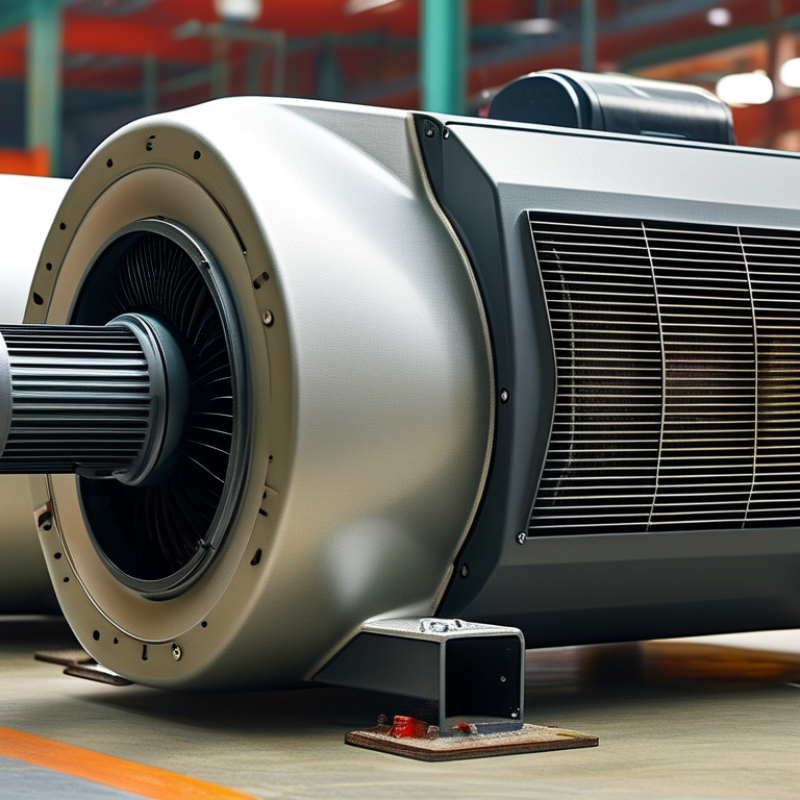
DC blower fans are becoming essential in industrial settings. They offer unique advantages that enhance operational efficiency. One major benefit is energy efficiency. These fans consume less power than traditional AC models. This reduction in energy usage can lead to significant cost savings over time.
Another advantage is their compact design. DC blower fans are often smaller and more lightweight. This feature allows for easier installation and integration into tight spaces. Industries can benefit from this flexibility. However, it’s crucial to ensure that the fan's specifications match the system requirements.
Tips: When selecting a DC blower fan, consider airflow rate and noise level. High airflow is essential for effective cooling. Additionally, assess the total harmonic distortion. Low distortion means less interference in sensitive areas. Remember to review these factors thoroughly.
The durability of DC blower fans contributes to their appeal. Many models have longer lifespans, reducing maintenance needs. Yet, sometimes it’s easy to overlook regular upkeep. Neglecting maintenance can lead to inefficiency. Staying vigilant with checks helps maximize performance.
Why Choose a Dc Blower Fan for Your Industrial Needs? - Advantages of DC Blower Fans in Industrial Applications
| Feature |
Advantages |
Applications |
| Energy Efficiency |
Lower power consumption compared to AC fans |
HVAC systems, electronics cooling |
| Variable Speed Control |
Allows precise adjustment of airflow |
Industrial ventilation, air circulation |
| Compact Design |
Space-saving and lightweight |
Industrial machinery, portable applications |
| Low Noise Operation |
Quieter than many AC blower fans |
Laboratories, offices |
| Long Lifespan |
Durable with reduced wear on components |
Continuous operation environments |
Energy Efficiency Comparisons: AC vs. DC Blower Fans
When considering energy efficiency in blower fans, DC fans stand out. They typically consume less power than their AC counterparts. This efficiency translates into lower operational costs over time. Industrial settings often run equipment continuously, making these savings significant.
Tip: Assess your facility's airflow needs carefully. If your requirements are stable, a DC blower fan might save energy and reduce overall expenses. However, ensure the fan meets your performance criteria.
DC blower fans also offer better control. Their speed can be adjusted easily. This feature allows manufacturers to optimize airflow according to specific operational needs. In contrast, AC fans may require more complex systems for speed adjustments.
However, some installations may favor AC fans. They are often simpler to integrate into existing systems. If your facility already uses AC equipment, consider the compatibility before switching. Each option has its pros and cons. Reflect on your operational structure to make an informed choice.
Energy Efficiency Comparisons: AC vs. DC Blower Fans
This chart illustrates the energy efficiency of AC and DC blower fans, measured in watts per cubic foot per minute (CFM). As shown, DC blower fans offer superior energy efficiency compared to their AC counterparts, making them a compelling choice for industrial applications.
Performance Metrics: Airflow and Pressure Specifications of DC Fans
When selecting a DC blower fan for industrial applications,
airflow and pressure specifications are crucial. Airflow, measured in cubic feet per minute (CFM),
determines how much air the fan can move. High-performance DC fans can achieve airflow rates
exceeding 1000 CFM. This is particularly beneficial for
cooling systems and ventilation in large facilities.
Pressure specifications, measured in static pressure (inches of water gauge), reflect the fan's ability
to overcome resistance in ducts and filters. Many industry reports suggest that DC fans can generate
static pressures up to 1.5 inches at high speeds. This allows
for efficient air movement across considerable distances. When designing a system, it is essential
to match the fan's specifications with the requirements of the environment.
However, not all applications demand maximum airflow or pressure. It is often overlooked that
excessive airflow can lead to noise issues and energy inefficiency.
Balancing these factors is key. Further analysis is sometimes required to ensure optimal performance
without compromising energy costs. Selecting the right DC blower involves careful evaluation of these
performance metrics against the specific industrial needs.
Long-term Cost Savings: Maintenance and Operational Advantages
When it comes to industrial applications, DC blower fans offer significant advantages in maintenance and operational efficiency. According to a report by the U.S. Department of Energy, the efficiency of DC motors can reach up to 90% in certain applications. This efficiency translates into reduced energy consumption and lower operational costs, making them an attractive choice for manufacturers focused on long-term savings.
Additionally, DC blower fans require less maintenance than their AC counterparts. Studies show that DC motors have fewer moving parts, leading to fewer breakdowns over time. This reduces downtime and allows for smooth operation, which is crucial in busy industrial settings. Regular maintenance routines can often be simplified, saving time and labor costs.
Tips: Consider investing in smart monitoring systems. They can help track the performance of your DC blower fan. This can alert you to potential issues before they escalate. Regular check-ups, even for efficient models, can extend lifespan. Remember, an ounce of prevention is worth a pound of cure. Ensuring optimal conditions for your blower fan can significantly impact efficiency.
Environmental Impact: Reducing Carbon Footprint with DC Technology
The environmental impact of industrial operations cannot be ignored. Traditional blower fans often consume excessive energy. This leads to higher carbon emissions. In contrast, DC blower fans operate more efficiently. They use advanced technology to reduce energy consumption significantly.
By utilizing a DC blower fan, industries can lower their carbon footprint. These fans often have a longer lifespan and require less maintenance. This reduces waste and promotes sustainability. However, some may argue they are more expensive upfront. While the initial investment is notable, the long-term savings on energy can offset this cost.
Many facility managers overlook the potential environmental benefits. Ignoring these advantages hampers efforts toward greener operations. It's important to reevaluate choices based on sustainability. Small changes in equipment can lead to substantial improvements in environmental impact. Industries have a responsibility to consider their carbon footprint.