Why Choose a DC Blower Fan for Your Ventilation Needs?
In today's demanding environment, effective ventilation is crucial. Many industries face challenges related to air quality and circulation. A DC Blower Fan offers a reliable solution. These fans ensure optimal airflow while being energy-efficient. According to a report by the Department of Energy, energy-efficient ventilation can reduce operational costs by up to 30%.
Using a DC Blower Fan provides significant advantages over traditional fans. They operate quietly and deliver powerful performance. The compact design allows for easy installation in various settings. This versatility enhances their appeal for commercial and residential applications alike. The global market for DC fans is expected to grow steadily, reaching $1.5 billion by 2027.
However, selecting the right ventilation system can be challenging. Factors like fan size and power consumption must be considered. Organizations often overlook these details, leading to inefficiencies. Investing in a suitable DC Blower Fan not only addresses ventilation needs but also promotes a healthier environment. It's essential to reflect on specific requirements before making this decision.
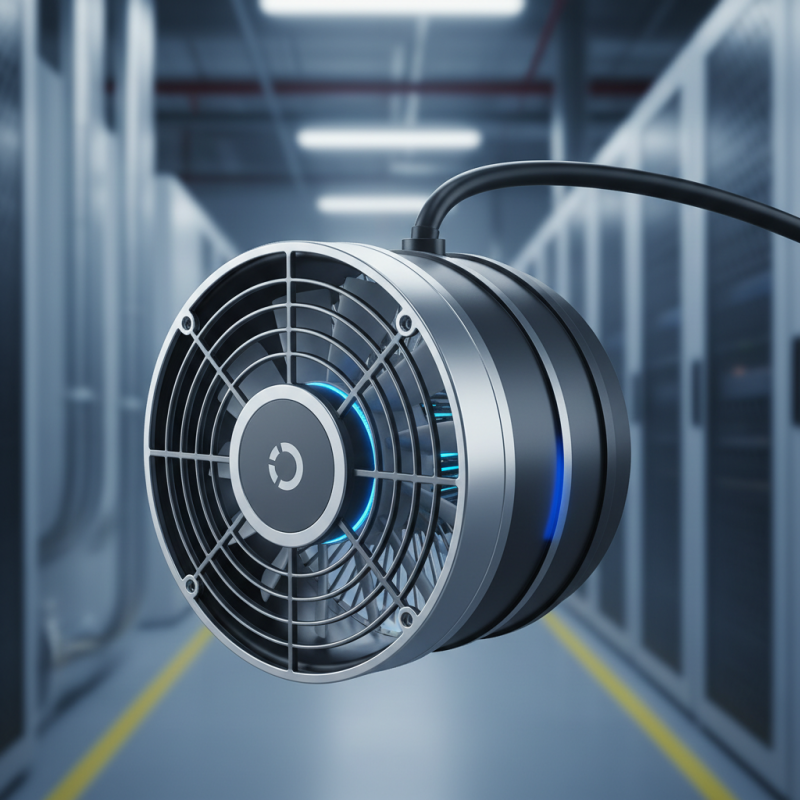
Advantages of DC Blower Fans Over Traditional AC Fans
When it comes to ventilation, DC blower fans have distinct advantages over traditional AC fans. These modern fans are designed for efficiency. They consume less energy while providing strong airflow. This energy efficiency translates into lower electricity bills, making them a cost-effective choice for both residential and commercial spaces.
In terms of noise, DC blower fans operate quietly. This can significantly enhance comfort in environments like offices or bedrooms. The precision of their speed control is also noteworthy. With the ability to adjust airflow based on needs, they prevent the discomfort often associated with static airflow. However, it’s essential to consider that installation may require specialized knowledge.
Durability is another aspect where DC blower fans excel. They generally have a longer lifespan due to advanced motor technology. Yet, buyers must remember that the initial investment can be higher than AC fans. Reflecting on these factors can help in making an informed decision about choosing the right fan for ventilation needs.
Energy Efficiency: How DC Blower Fans Save Power and Costs
When selecting a ventilation solution, energy efficiency is crucial.
DC blower fans stand out for their ability to save power while providing effective airflow.
These fans work by utilizing a direct current motor, which tends to consume less power than traditional AC motors.
The result? Lower energy bills.
In practical terms, a DC blower fan can use up to 70% less energy compared to standard fans.
This is especially beneficial for commercial spaces or large facilities where ventilation is essential.
Over time, the reduced power consumption leads to significant cost savings. However, potential users should be cautious; not all DC fans are designed equally.
Some may lack sufficient airflow or durability.
Moreover, the control offered by many DC blower fans enhances their efficiency.
With adjustable speeds, users can tailor airflow to specific needs, avoiding unnecessary energy waste.
Yet, it’s essential to research and ensure you choose a model that meets your unique requirements.
Many claim energy efficiency but may not deliver on performance.
Balancing both efficiency and effectiveness requires careful consideration.
Noise Levels: The Quiet Operation of DC Blower Fans
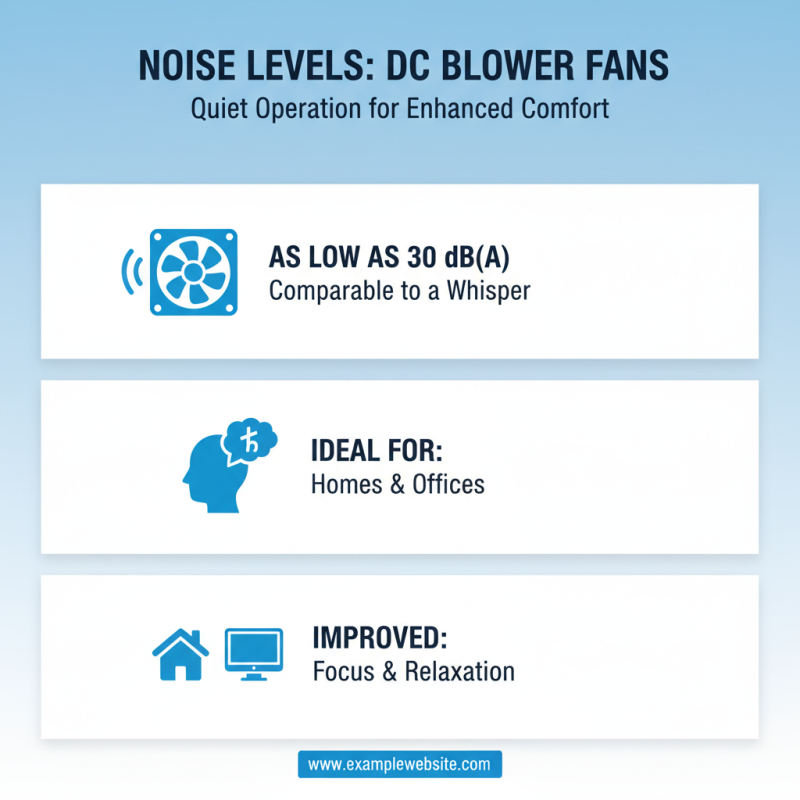
When it comes to ventilation, noise levels are a crucial factor. DC blower fans are known for their quiet operation, making them a preferred choice in many applications. Research indicates that these fans can operate at sound levels as low as 30 dB(A), which is comparable to a whisper. This low noise output can significantly enhance comfort in residential or office environments, allowing for quieter working conditions.
Moreover, the efficiency of DC blower fans is closely related to their noise performance. A study from the American Society of Heating, Refrigerating and Air-Conditioning Engineers (ASHRAE) highlights that DC fans produce less turbulence and vibration. This results in more stable airflow and lower decibel levels. Importantly, sound sensitivity varies among individuals, yet the majority find fans operating below 40 dB(A) to be unobtrusive.
In contrast, conventional AC fans tend to produce higher noise levels, averaging around 60 dB(A). This can lead to distractions and discomfort. While many options exist, the choice often narrows down to the balance between efficiency and noise level. Reflecting on these factors, it’s clear that DC blower fans can meet both technical and user comfort needs effectively, but it is vital to assess specific noise requirements for each unique environment.
Versatility: Applications of DC Blower Fans in Various Settings
DC blower fans are becoming increasingly popular in various applications due to their versatility. These fans are efficient tools for cooling and ventilation, making them suitable for both residential and industrial settings. For example, they help in electronic equipment cooling, ensuring that devices like computers maintain optimal temperatures. Their compact design allows them to fit into tight spaces, where conventional fans may not work effectively.
In agriculture, DC blower fans are used to ventilate greenhouses and poultry houses. These fans promote air circulation, improving overall air quality. This is crucial for plant growth and animal health. In commercial buildings, they enhance HVAC systems, ensuring a consistent and comfortable environment. However, while they are effective, users must consider noise levels. Some fans produce sounds that could be disruptive in quiet settings, like offices or libraries.
Another area where DC blower fans excel is in automotive applications. They help cool engines and can improve overall vehicle performance. Yet, choosing the right fan requires careful consideration of airflow rates and pressure. Not every fan will meet specific requirements, which can lead to inefficiencies if not properly assessed. Proper installation and maintenance are vital for achieving the best results. Overall, when selected thoughtfully, DC blower fans can significantly improve ventilation across diverse environments.
Why Choose a DC Blower Fan for Your Ventilation Needs? - Versatility: Applications of DC Blower Fans in Various Settings
| Application Area |
Advantages of DC Blower Fans |
Typical Power Consumption (W) |
Common Fan Size (mm) |
| Computer Cooling |
Low noise, high efficiency |
2-5 |
80 - 120 |
| HVAC Systems |
Energy-efficient, compact size |
50-150 |
150 - 250 |
| Automotive Ventilation |
High airflow, lightweight |
20-60 |
100 - 150 |
| Medical Equipment |
Compact design, low heat emissions |
10-30 |
60 - 100 |
| Industrial Use |
Durable, can handle high dust levels |
100-300 |
200 - 300 |
Control and Customization: Features of DC Blower Fans for Ventilation
When it comes to ventilation, DC blower fans stand out due to their unique features. Their ability to provide precise control over airflow is remarkable. You can adjust the speed settings easily to match specific needs. This level of customization makes them ideal for various environments.
Tips: Consider the size of your space. A fan that is too small will struggle. Conversely, an oversized fan can lead to discomfort.
Many users appreciate the quiet operation of DC blower fans. No noisy distractions make environments more pleasant. This feature is especially beneficial in workspaces and homes. However, some may find that they need additional soundproofing in extremely quiet settings.
Tips: Install the fan in a central location for even airflow distribution. This can enhance overall effectiveness and comfort.
In summary, the control and adaptability of DC blower fans can meet many ventilation needs. With careful consideration, selecting the right fan can make a significant difference in air quality.