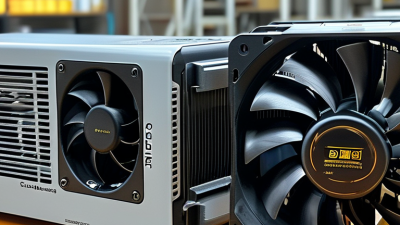
Top 10 Cooling Fan Features You Must Consider Today?
In today's fast-paced world, staying cool is crucial. As temperatures rise, a reliable Cooling Fan becomes essential for comfort. According to industry expert Dr. Emily Dawson, "Choosing the right Cooling Fan can significantly impact your daily comfort and health." This highlights the importance of understanding the features of Cooling Fans.
When selecting a Cooling Fan, several key aspects deserve your attention. Factors such as noise level, airflow power, and energy efficiency can drastically affect your experience. For instance, a fan that operates quietly, like the Whisper Breeze model, will allow you to focus on work or sleep without distractions. Also, considering the energy consumption can lead to better bills and a healthier planet.
Yet, customers often overlook essential features. Many just focus on aesthetics or price. This can lead to disappointment when the fan doesn't meet their needs. Recognizing the significance of features like oscillation, timer settings, and portability is crucial. Investing time in understanding these elements will pay off in comfort and satisfaction.
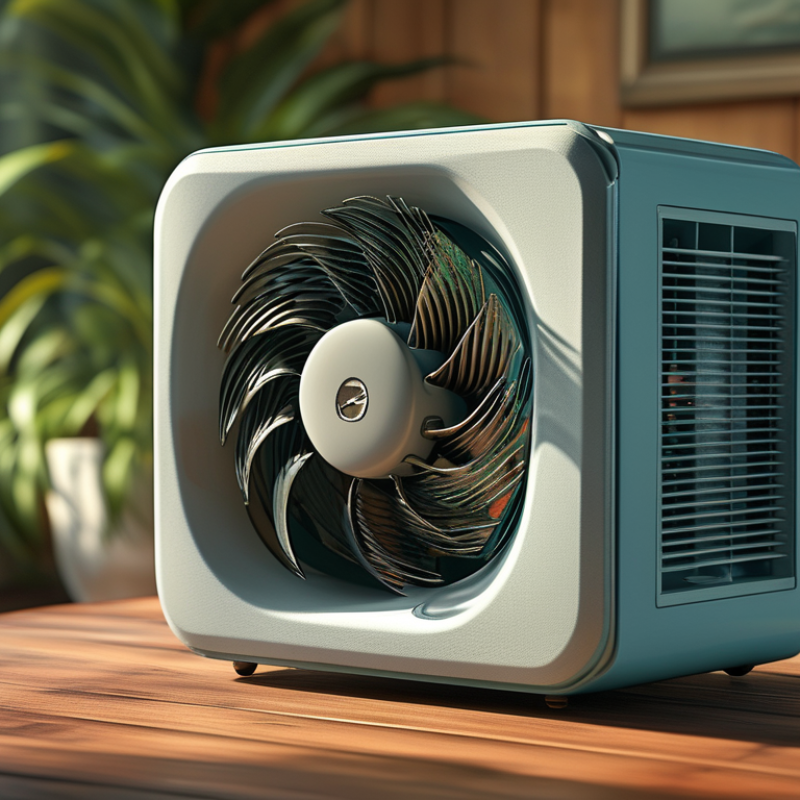
Top 10 Cooling Fan Features You Must Consider Today
When choosing a cooling fan, several key features deserve your attention. Start with the fan size. Larger fans generally move more air and provide better circulation. However, they can be noisier. Consider the balance between size and noise. Portable fans are essential for versatility. They can be moved from room to room easily.
Next, look at energy efficiency. An efficient fan not only saves you money but is also environmentally friendly. Some fans come with adjustable speed settings. These allow you to control airflow based on your needs. Also, a timer feature can be beneficial. It allows the fan to switch off automatically, saving energy when it’s not needed.
Finally, think about design and ease of maintenance. Fans with removable grills are easier to clean. Aesthetically pleasing designs can enhance your home decor. Reflect on the material and durability. Plastic fans may be lightweight but could lack longevity compared to metal counterparts. All these features play a vital role in your overall satisfaction with the fan.
Understanding Airflow: CFM Ratings and Efficiency Metrics
When choosing a cooling fan, understanding airflow is crucial. Airflow is typically measured in CFM, or cubic feet per minute. Higher CFM ratings indicate greater air movement. This measurement helps determine how effectively a fan can circulate air in a room. However, a fan with a high CFM isn't always the best option. It’s essential to consider the space size and layout. A powerful fan in a small room can create discomfort.
Efficiency metrics also play a vital role in fan selection. Look for fans that maximize airflow while minimizing energy usage. Energy-efficient models save money and help the environment. However, some users may overlook this aspect. They might prioritize price or design over energy savings. This habit can lead to higher utility bills over time. Before purchasing, it's wise to research different models. Understanding these metrics can guide better decisions.
Lastly, it's worth noting that personal comfort varies. What feels cool to one person may be too cold for another. It's beneficial to test out fans in different settings if possible. This helps in identifying the right model for your needs. Pay close attention to airflow patterns and how they affect your space.
Noise Levels: Importance of dBA for Peaceful Environments
When selecting a cooling fan, noise levels are crucial. The dBA measurement quantifies sound intensity. Fans can operate within a range of 20 dBA to 60 dBA. A quieter fan, around 25 dBA, offers comfort without disruption. On the other hand, a bothersome 55 dBA can make it challenging to focus or relax.
Research shows that consistent noise levels above 30 dBA can lead to increased stress. This is particularly important in workspaces and bedrooms where tranquility is vital. Moreover, studies indicate that environments with sound levels below 30 dBA promote better concentration and productivity.
Many consumers overlook noise when shopping for fans. A fan that sounds calming in a store may feel different at home. Test the fan in your intended space if possible. The perception of noise can vary. Factors like room size and furnishing influence how sound travels. Understanding these dynamics can help in finding the right balance between cooling efficiency and peaceful ambiance.
Energy Consumption: Evaluating Power Ratings and Efficiency Standards
When choosing a cooling fan, energy consumption is a crucial factor. The power ratings of fans directly affect your electricity bills. Many consumers overlook this aspect, leading to increased costs over time. An efficient cooling fan can save money while providing optimal performance. Understanding power ratings can help you make informed decisions.
Consider the efficiency standards of cooling fans. Fans with higher efficiency ratings consume less energy to achieve the same cooling effect. Look for models that adhere to energy efficiency guidelines. These fans can offer a good balance between performance and energy use. Yet, some may not be aware of less efficient options, resulting in wasted resources.
Reflection on energy consumption reveals that not all cooling fans are created equal. Some consumers may prioritize aesthetics or noise levels over power efficiency. Balancing these factors is essential for eco-friendly choices. In the end, understanding power ratings and efficiency can enhance your comfort and promote sustainability.
Adjustable Settings: The Impact of Speed Control and Oscillation Features
When selecting a cooling fan, adjustable settings play a significant role. Speed control allows you to customize airflow according to your needs. A higher speed can provide intense cooling, beneficial on sweltering days. Conversely, lower speeds create a gentle breeze, ideal for nighttime or quiet spaces.
Oscillation features are equally important. A fan that oscillates distributes air across a wider area, creating a more comfortable environment. This feature reduces hot spots and evenly circulates air throughout the room.
However, not all fans offer smooth adjustments. Some may have limited speed settings or clunky oscillation mechanisms. Consider your space and usage when evaluating these features. A good fan should adapt easily to your comfort needs. Balancing functionality and flexibility is key to making the right choice.
Top 10 Cooling Fan Features You Must Consider Today
| Feature |
Importance |
Benefits |
Considerations |
| Speed Control |
High |
Custom airflow levels for comfort |
Higher initial cost |
| Oscillation |
Medium |
Covers larger areas with airflow |
May increase noise levels |
| Timer Function |
High |
Energy efficiency and convenience |
Need to set up correctly |
| Remote Control |
Medium |
Ease of use from a distance |
Potential for misplacing remote |
| Noise Levels |
High |
Quiet operation for peaceful environments |
May affect cooling performance |
| Portability |
Medium |
Easy to move to different rooms |
May have a smaller base |
| Size and Design |
High |
Aesthetic appeal and space saving |
May limit airflow or power |
| Filter System |
Medium |
Improves air quality |
Requires regular maintenance |
| Smart Features |
Medium |
Integration with home systems |
Higher cost |
| Energy Efficiency |
High |
Lower energy bills |
May have a higher upfront cost |
Conclusion
When selecting a cooling fan, it's essential to consider key features that enhance performance and user experience. Understanding airflow through CFM ratings allows you to gauge a fan's efficiency, ensuring effective circulation in your space. Additionally, paying attention to noise levels, measured in dBA, can significantly impact your comfort, especially in quiet environments. Energy consumption is another critical aspect, where evaluating power ratings and efficiency standards can lead to cost savings over time.
Moreover, adjustable settings, including speed control and oscillation features, provide customization to meet various needs, whether for cooling a room or creating a comfortable breeze. The integration of smart technology is also transforming the market, with IoT-enabled cooling solutions allowing users to control their cooling fans remotely, enhancing convenience. Overall, being mindful of these features can help you select the most suitable cooling fan to improve your living or working environment.