10 Essential Tips for Choosing the Right DC Blower Fan?
When selecting a DC blower fan, it's crucial to understand the various factors that influence your decision. As industry expert John Smith, a renowned HVAC engineer, notes, “Choosing the right DC blower fan can significantly impact your system's efficiency.” This statement embodies the essence of making an informed choice.
A DC blower fan is not just about airflow; it involves considering efficiency, noise levels, and size. For example, a compact design may fit tight spaces but might not provide sufficient airflow. Furthermore, energy efficiency plays a key role because a well-optimized fan can lower electricity costs significantly.
However, many buyers overlook essential features. Some fans may produce excessive noise, which can be problematic in quiet environments. Ultimately, understanding these nuances is vital. The right DC blower fan can enhance performance and save money, but careless choices can lead to dissatisfaction. Therefore, investing time in research is vital for selecting the ideal model.
Understanding the Basics of DC Blower Fans
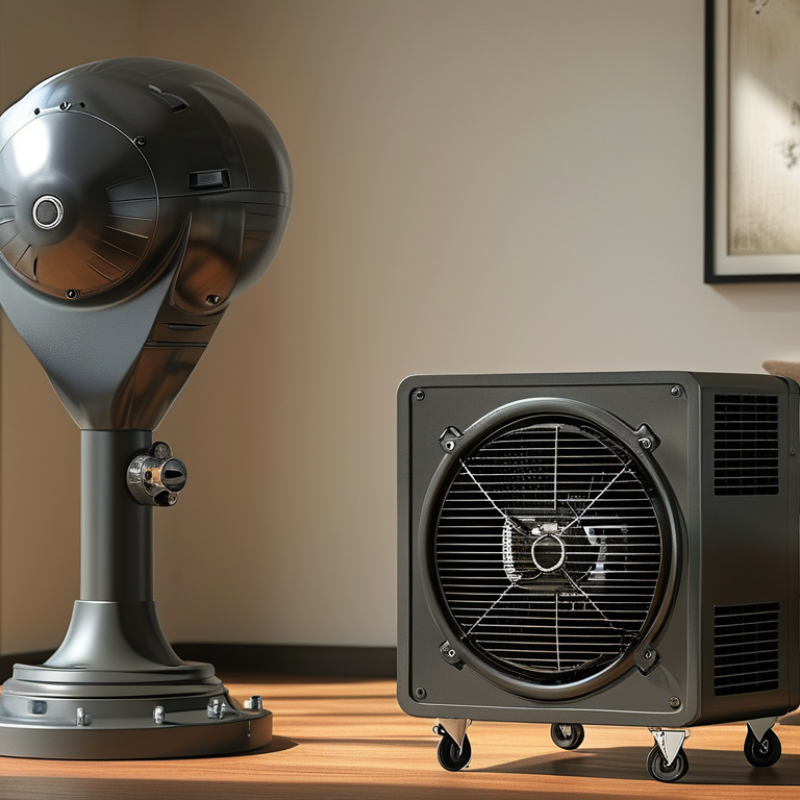
Understanding the Basics of DC Blower Fans is crucial when selecting the right one for your needs. These fans operate using direct current, which provides high efficiency and low noise levels. They are commonly used in various applications, from electronics cooling to HVAC systems. Knowing the principles of airflow and pressure will help you make informed decisions.
When choosing a DC blower fan, consider its size and power requirements. A fan that is too small might not provide adequate airflow. On the other hand, a larger fan can consume more energy than needed. Assess your specific application to find the right balance.
Fans come with various features that affect performance. Look for speed control options to adjust airflow as needed. This flexibility can save energy and reduce noise during operation. Don’t overlook the importance of durability and temperature ratings. High-quality materials can ensure your fan lasts longer, especially in demanding environments.
The type of motor used also makes a difference. Brushless motors tend to offer greater efficiency and longevity. While they may cost more upfront, the long-term savings can be significant. Evaluate your options carefully. Choosing the right fan requires understanding your unique requirements. There isn't always a perfect solution, but thorough research can guide you to a suitable choice.
Key Factors to Consider When Choosing a DC Blower Fan
When selecting a DC blower fan, several key factors should be at the forefront of your decision. Efficiency is critical. According to a report by the Department of Energy, efficient blower fans can reduce energy consumption by up to 50%. This efficiency translates into lower operation costs. Look for fans with high CFM (Cubic Feet per Minute) ratings to ensure optimal airflow for your specific needs.
Another crucial factor is noise levels. Many users overlook this aspect. A blower fan with lower decibel ratings provides a more comfortable environment. Research indicates that fans operating below 30 dB are hardly noticeable and can enhance user satisfaction. You may have to balance noise levels with performance.
Durability often plays a role in long-term satisfaction. Material selection affects how well a fan performs over time. Fans made from high-quality, robust materials tend to have longer lifespans. Some reports suggest that cheaper models may need replacements as frequently as every year. Investing in reliable options is wise, even if it may seem costly initially. Balancing these factors can help you make a more informed decision when choosing a DC blower fan.
Evaluating Airflow Requirements for Your Application
When selecting the right DC blower fan, understanding airflow requirements is crucial. Airflow is typically measured in cubic feet per minute (CFM). This metric indicates how much air the fan can move. Different applications require varying airflow levels. For example, a small workspace may need less CFM than a larger industrial setting.
In many cases, it can be challenging to estimate the required airflow. Consider the environment where the fan will be placed. High temperatures or heavy machinery may necessitate a stronger fan to maintain optimal conditions. It's important to analyze your specific needs closely.
Another critical factor is static pressure. This refers to the resistance the fan faces when moving air through ducts or filters. A fan with low CFM but high static pressure may work better for certain setups. Understanding these elements helps in making a more informed decision. Ultimately, do not rush the process. It's wise to consult with professionals when unsure about your calculations or selections.
Assessing Noise Levels and Efficiency Ratings
When selecting a DC blower fan, assessing noise levels and efficiency ratings is crucial. Noise can significantly impact your workspace, especially in a home or office. Choose a fan with a decibel (dB) rating that suits your environment. Quieter fans generally range from 20 to 40 dB. However, some may still produce unpleasing sounds, even within this range. Ensure the noise level aligns with your comfort needs.
Efficiency ratings are equally important. Look for fans that offer high airflow with low power consumption. A fan with a good efficiency rating will provide better performance while saving on energy costs. Check the airflow measured in cubic feet per minute (CFM) relative to power in watts. This ratio shows how well a fan moves air versus how much energy it uses. Higher efficiency involves sacrifices, like possibly higher initial costs, yet they often pay off over time.
Additionally, consider the placement. Fans in different settings can produce varying levels of noise. Testing fans in the intended location can yield more accurate results. Understanding the balance between noise and efficiency is essential. A fan may excel in one area but not in another. Make decisions that prioritize your unique needs, as perfect choices are rare.
Exploring Size and Installation Options for DC Blower Fans
When selecting a DC blower fan, understanding size and installation options is crucial. The size of the fan should match the space it needs to cool or ventilate. A fan that's too small will struggle to move air effectively. On the other hand, an oversized fan might lead to excessive noise and energy consumption. Take measurements of your area carefully. This ensures a perfect fit.
Installation options vary widely among DC blower fans. Wall-mounted fans can save floor space. Ceiling-mounted units might distribute airflow better in larger areas. Each style has its unique benefits, but planning is essential. Decide early whether you prefer ease of access for adjustments or total integration into your space.
Tip: Always check airflow direction during installation. Proper airflow is vital for efficiency. Another tip is to consider the noise level of the fan. A quieter unit can enhance comfort, especially in residential settings. Lastly, think ahead about future maintenance needs. Accessibility can greatly affect how often you clean or service the unit.
10 Essential Tips for Choosing the Right DC Blower Fan
| Dimension |
Consideration |
Typical Size (inches) |
Installation Type |
| Airflow Volume |
Choose based on required CFM for your application |
4" - 12" |
Inline or Box Type |
| Noise Level |
Look for models with low dB ratings |
10" - 14" |
Ceiling or Wall Mounted |
| Power Consumption |
Select energy-efficient models to reduce costs |
0.5W - 50W |
Portable or Fixed |
| Motor Type |
Consider brushless motors for longevity |
Varies based on design |
Direct Drive or Belt Drive |
| Size |
Ensure it fits your designated space |
6" - 16" |
Ducted or Open Air |
| Control Options |
Check for manual or automated controls |
N/A |
Remote or Local Control |
| Application Specific |
Consider special features for certain applications |
Varies |
OEM or Custom Installation |
| Maintenance Requirements |
Select models with easy access for cleaning |
N/A |
Fixed Position |
| Ventilation Needs |
Ensure adequate airflow for your area |
Depends on space |
Natural or Forced |
| Budget |
Choose within your financial constraints |
$50 - $500 |
Standard or Premium |