2026 How to Choose the Right DC Blower Fan for Your Needs?
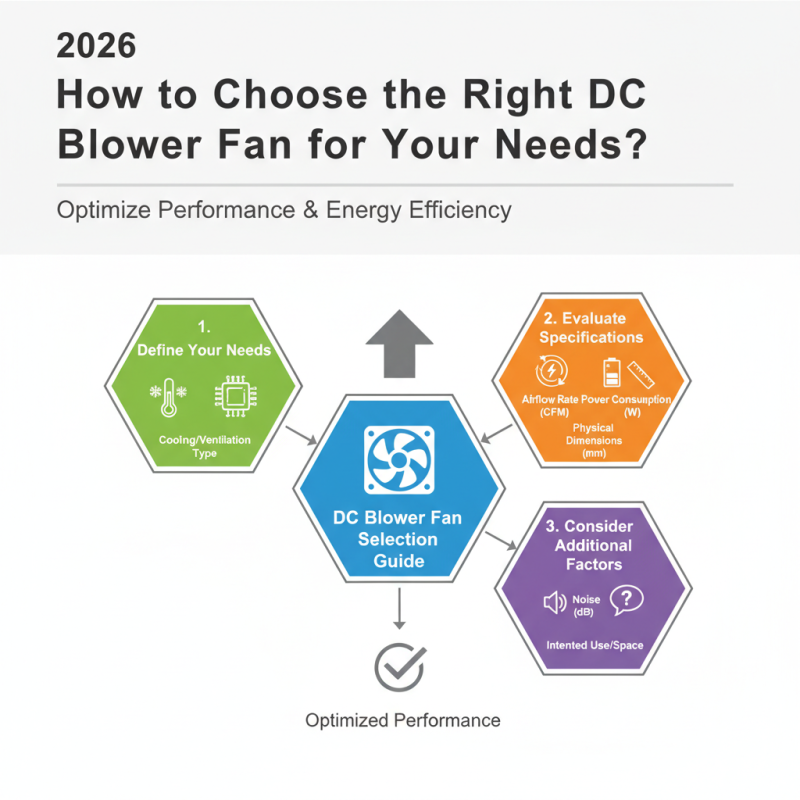
Choosing the right DC Blower Fan is crucial for various applications. According to John Smith, an industry expert at AirFlow Solutions, "Selecting the proper DC blower fan can optimize performance and energy efficiency." His insight emphasizes the importance of understanding specific needs.
DC Blower Fans serve different purposes, like cooling and ventilation. Each model has unique specifications. This variety can overwhelm buyers unfamiliar with the technology. Evaluating airflow rates and power consumption is essential. A mismatch can lead to inefficiencies or inadequate performance.
Many factors influence the decision. Users often overlook noise levels and physical dimensions. These aspects are vital for spaces requiring quiet operation. Addressing these details can improve satisfaction with the product. Reflecting on the intended use is important. It ensures the selected fan meets expectations without unnecessary compromise.
Understanding the Basics of DC Blower Fans
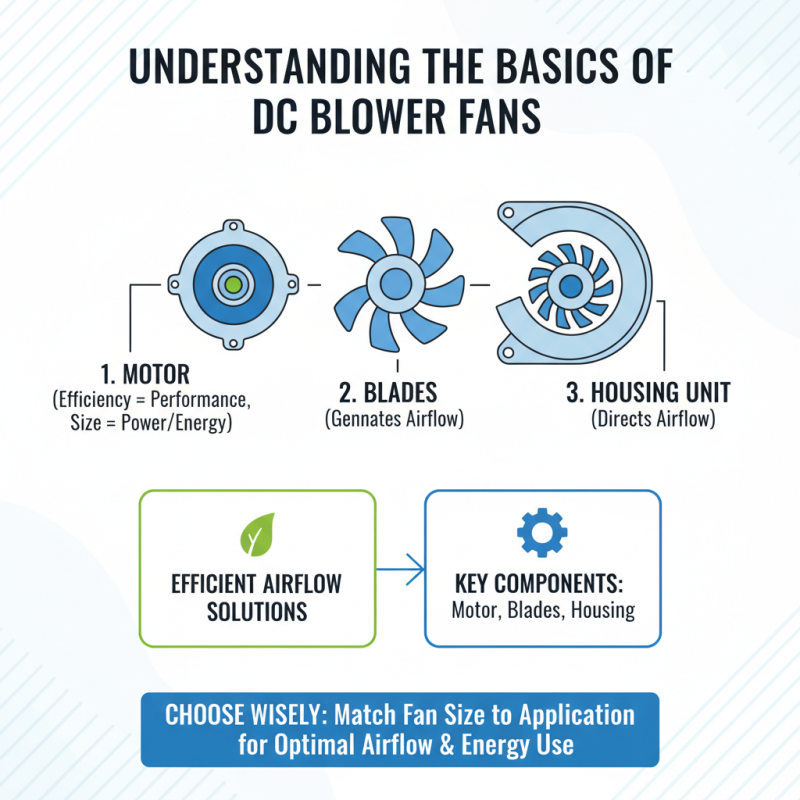
DC blower fans offer efficient airflow solutions for various applications. Understanding their basic components is crucial for making an informed choice. A typical DC blower fan consists of a motor, blades, and a housing unit. The motor's efficiency significantly influences the fan's performance. Smaller motors consume less energy but may not provide sufficient airflow for larger spaces. Consider the size of your application carefully.
Noise levels are another important factor. Some fans operate quietly, while others produce noticeable noise. If noise is a concern, look for fans with noise reduction features. Additionally, the material of the fan blades can affect durability and performance. Plastic blades are lightweight and resistant to rust, but metal options can be more robust under high temperatures. Balance durability and efficiency based on your specific needs.
Power consumption is also vital. Energy-efficient models can save on electricity bills. While they may have a higher initial cost, the long-term savings are often worth it. Be prepared to experiment with different models and features. The right choice may not always be clear. Engaging with user reviews and technical specifications is a smart step to enhance your decision-making process. Trust your judgment, but remain open to learning as you explore your options.
Key Specifications to Consider When Selecting a DC Blower Fan
When selecting a DC blower fan, it's essential to consider key specifications that directly affect performance. You should evaluate airflow and static pressure ratings. Airflow, measured in cubic feet per minute (CFM), indicates how much air the fan can move. Higher CFM numbers typically mean better cooling or ventilation. However, don't overlook static pressure, which measures the resistance air faces in a system. Your specific application will dictate the ideal balance between these two factors.
The fan's size and motor type also matter significantly. Size impacts installation options and space availability. Compact models work well for tight spots while larger ones can achieve higher airflow rates. Additionally, brushless DC motors offer efficiency and longevity. They often operate quietly, an important consideration for residential spaces.
Lastly, look into the fan's durability. Materials used in construction can impact its performance over time. Aluminum and high-quality plastics usually provide better longevity. While many fans claim to be robust, some may not withstand specific environmental conditions. Review product specifications carefully and consider reaching out to manufacturers for detailed insights. This informed approach enhances your chances of making a reliable choice that meets your needs effectively.
Evaluating Airflow Requirements for Your Application
When considering a DC blower fan for your application, airflow requirements are critical. Start by understanding how much air you need to move for optimal performance. This measurement is usually expressed in cubic feet per minute (CFM). Knowing your specific needs helps you avoid under or over-ventilating the area, which can lead to inefficient operation.
Here are a few tips to guide your selection. Measure the dimensions of your space accurately. Consider obstructions that may impact airflow. Smaller, confined spaces may need fans with higher pressure capabilities. For larger areas, a fan with a wider airflow range may be necessary.
Another aspect to reflect on is noise levels. Some fans can operate quite loudly, while others work quietly. If noise is a concern, look for fans designed for lower decibel levels. Balancing airflow needs with noise tolerance can be tricky, yet it’s essential for ensuring comfortable environments. Always check specifications thoroughly before making a decision.
2026 How to Choose the Right DC Blower Fan for Your Needs? - Evaluating Airflow Requirements for Your Application
This chart illustrates the airflow requirements for different categories of DC blower fans measured in Cubic Feet per Minute (CFM). Understanding these requirements can help you select the fan that best suits your application's needs.
Assessing Noise Levels and Efficiency Ratings
When choosing a DC blower fan, noise levels matter. Many individuals overlook how a fan's sound can impact their environment. A quieter fan enhances comfort, especially in workspaces or homes. Look for fans with lower decibel ratings when assessing noise levels. Check customer reviews to see real-life experiences. Sometimes, products may look good on paper but fail in practice.
Efficiency ratings are another critical aspect. A fan’s efficiency affects energy consumption and performance. Higher efficiency means reduced electricity bills and a longer-lasting product. Check the fan’s airflow performance, measured in CFM (cubic feet per minute). Efficient models should deliver ample airflow without excessively high energy use.
Some DC blower fans may advertise impressive stats but deliver inconsistent performance. It’s wise to verify claims through trusted sources or user feedback. Pay attention to how the fan functions under different conditions. This can reveal issues that aren't immediately obvious. Reflecting on both efficiency and noise helps ensure a more informed decision. Prioritize what matters most for your specific needs.
Comparing Different Types of DC Blower Fans on the Market
When choosing a DC blower fan, it's crucial to understand the various types available. These fans can vary in size, efficiency, and airflow capabilities. Common types include inline, axial, and centrifugal fans. Each type serves distinct purposes, making familiarity with them essential for optimal performance.
Inline fans are often compact, ideal for smaller spaces. They provide efficient airflow and are commonly used in HVAC systems. Axial fans are versatile, best for general airflow needs. They typically offer higher volume but lower pressure. Centrifugal fans, known for high pressure, excel in applications requiring focused air movement. Picking the right type significantly impacts the effectiveness of your setup.
Tips: Always check the fan's specifications before making a choice. Pay attention to airflow ratings and noise levels, as these factors influence performance. Consider the long-term energy costs as well; efficiency can save money over time. Reflect on your specific needs to avoid under or over-specifying your fan, which can lead to inefficiencies.
2026 How to Choose the Right DC Blower Fan for Your Needs?
| Fan Type |
Airflow (CFM) |
Noise Level (dB) |
Power Consumption (W) |
Diameter (Inches) |
Best Use Case |
| Axial Blower |
150-300 |
30-50 |
10-30 |
4-6 |
Cooling small spaces |
| Centrifugal Blower |
200-500 |
40-60 |
20-50 |
6-8 |
High-pressure applications |
| Mixed Flow Blower |
250-600 |
35-55 |
15-35 |
5-7 |
Versatile applications |
| Inline Blower |
150-400 |
25-45 |
10-25 |
4-6 |
Ventilating ducts |
| PP Blower |
100-200 |
30-50 |
5-15 |
3-4 |
Small machinery cooling |