2026 Best DC Brushless Cooling Fan for Industrial Use
Industrial equipment rarely fails at a convenient moment. A fan clogged with dust, struggling against back pressure, or running too loudly can undermine cooling where reliable airflow matters. The U.S. Department of Energy’s Improving Motor and Drive System Performance: A Sourcebook for Industry reports that motor-driven systems account for a substantial share of industrial electricity use. That makes fan efficiency more than a specification-sheet detail. It can affect operating costs, heat management, and maintenance planning.
This 2026 guide examines how to choose a Dc Brushless Cooling Fan for industrial use, with attention to airflow, static pressure, power draw, noise, dimensions, and expected service life. A high airflow rating alone is not enough. The fan must still move air through the actual enclosure, filter, or duct. Small details count. Compare performance at the required operating point, not just at free-air conditions, and check rated voltage, speed control, protection features, and environmental limits. Manufacturer datasheets are useful, but test conditions can differ. That deserves a careful look. There is no single best fan for every factory: a compact control cabinet and a hot, dusty production area impose different demands. The selections that follow focus on verifiable specifications and practical fit, while recognizing that installation and maintenance affect real-world results.
What Defines a DC Brushless Cooling Fan for Industrial Use?
2026 Best DC Brushless Cooling Fan for Industrial Use
What Defines a DC Brushless Cooling Fan for Industrial Use?
A DC brushless cooling fan uses electronic commutation instead of brushes to drive its rotor. For industrial use, that design matters because it avoids brush wear and supports speed control. But “industrial” is not a single performance rating. A suitable fan must deliver the required airflow against the actual system pressure, including resistance from filters, guards, and tight duct bends. Check rated voltage, operating temperature, bearing type, ingress protection, and expected service life. Noise and vibration matter, too, especially near operators or sensitive equipment.
The U.S. Department of Energy’s Improving Fan System Performance sourcebook notes that optimized fan systems can offer energy savings of 20–50%, depending on the application. That is a system-level opportunity, not a guaranteed saving from changing the fan alone. A fan running at full speed may waste energy when cooling demand is low. Speed control can help, provided the motor and controller are compatible and airflow remains adequate. Heat matters. Dust does, too.
Tips: Measure airflow and pressure at the installation point before choosing a model. Check the manufacturer’s performance curve at your expected operating conditions, not only its free-air rating. Then verify temperatures during a real duty cycle. A bench test can miss a hot enclosure or a clogged filter. Even careful selection may need adjustment after installation.
How Brushless DC Fans Move Air and Remove Heat
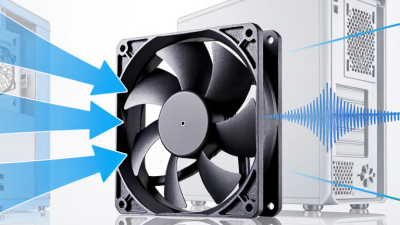
A brushless DC cooling fan converts electrical energy into controlled rotation. Its electronic controller switches current through the motor windings, turning the rotor and attached blades. The blades create a pressure difference that pulls air through the inlet and pushes it across the outlet. That moving air carries heat away from hot surfaces. It does not make heat disappear; it helps transfer heat into the surrounding airflow.
Tips: Keep the inlet and outlet clear. Check airflow direction before installation. Dust on a filter or grille can restrict air, even when the fan sounds normal. Compare operating conditions, not just the fan’s rated airflow. A restrictive duct or crowded cabinet can reduce actual cooling.
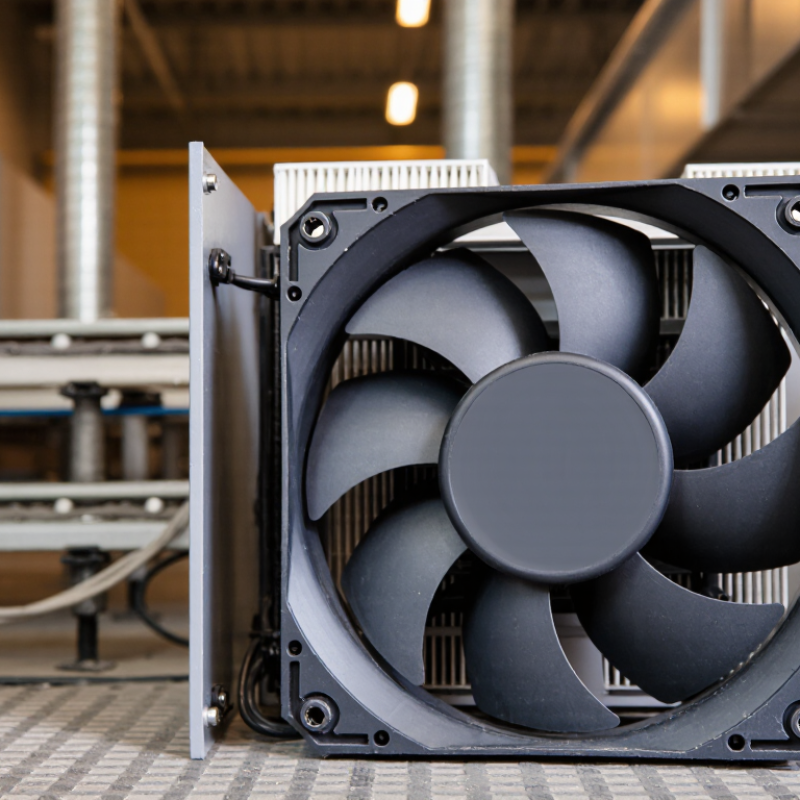
In an industrial control cabinet, air should pass across heat-producing components and leave without cycling straight back to the inlet. One easy mistake is to focus only on fan speed. Poor placement can leave a warm pocket near a drive or power supply. Faster rotation may increase noise and wear, too. I would not assume one airflow layout fits every enclosure; temperature checks under real operating loads can reveal gaps that a quick visual inspection misses.
Which Performance Specifications Matter Most?
For an industrial DC brushless cooling fan, airflow and static pressure deserve equal attention. Airflow, usually listed in CFM, describes free-air delivery. Static pressure indicates how well the fan pushes air through filters, grilles, and narrow ducts. Check the fan curve, not just its maximum airflow rating. A fan may look powerful on paper yet move little air inside a crowded enclosure. Numbers can mislead.
RPM matters, but higher speed can bring more noise, vibration, and power draw. Compare sound levels in dBA and current consumption at the voltage your equipment actually uses. If the system needs speed control, confirm PWM compatibility and the usable control range. Check the operating temperature range and expected service life, too; bearing performance can change with heat and mounting position. A common selection mistake is choosing by RPM alone. It seems sensible, but installed airflow may disappoint. Listen closely. Then measure temperatures under real operating conditions, with the enclosure closed and filters fitted. Small details matter, and even a careful specification review can miss the effect of dust buildup over time.
How Fan Designs Suit Different Industrial Environments
For industrial use, a DC brushless cooling fan should match the air’s temperature, dust load, moisture, and resistance—not just the cabinet size. The U.S. Department of Energy’s Improving Fan System Performance: A Sourcebook for Industry estimates that fans account for about 15% of electricity used in U.S. manufacturing. That makes efficient, well-matched airflow more than a minor detail. Dust changes everything. In a machining area, fine particles can clog guards and filters, so choose a fan arrangement that is easy to inspect and clean. In a hot enclosure, check the fan’s rated operating temperature and leave a clear path for exhaust air.
Different environments also demand different pressure and protection. A fan’s free-air airflow rating may fall sharply behind a dense filter or narrow grille. Compare airflow at the system’s actual resistance, and consider speed control or a tachometer output when equipment needs monitoring. For damp or washdown-prone locations, verify the required ingress protection and connector sealing; a general-purpose fan may not be suitable. No selection chart captures every installation, and a quiet fan can still leave a warm spot behind a power module.
Tips: Measure inlet and outlet temperatures under real operating load. Check filters and fan noise during routine maintenance. Small details matter. If readings vary, review airflow paths before simply increasing fan speed.
How to Select and Maintain an Industrial Fan in 2026
Selecting an industrial DC brushless cooling fan in 2026 starts with the actual operating conditions, not the largest airflow figure on a catalogue page. Check airflow at the system’s resistance, including filters, guards, and narrow ducts. A fan that moves plenty of air in open space may perform poorly inside a packed control cabinet. Measure the available voltage and confirm whether speed control or a tachometer signal is needed. Check operating temperature, moisture exposure, and the required ingress protection rating. Fit matters too. A few millimetres of clearance can change airflow and noise.
Keep a simple baseline after installation. Record temperature, fan speed, and any unusual vibration under normal load. Small details help. During scheduled service, isolate power, clear dust from the grille and blades, and check connectors for looseness or heat discoloration. Use gentle cleaning; aggressive air pressure can damage a bearing or push debris deeper into the assembly. Listen for a new rattle. It may be an early warning, but not proof of failure. A clean grille does not guarantee good cooling, either. Filters, airflow direction, and nearby heat sources still matter. Maintenance intervals should reflect dust levels and duty cycle, not just a calendar. I would still recheck the readings after cleaning; assumptions are easy to make.