Top DC Brushless Cooling Fan Benefits and Buying Guide?
In the ever-evolving landscape of cooling technologies, the **DC Brushless Cooling Fan** stands out for its efficiency and reliability. Industry expert Dr. Emily Carter emphasizes, "The future of cooling technology lies in the advancements of DC brushless fans." This statement underscores the significance of these fans in both industrial and consumer applications.
These fans operate quietly while delivering powerful airflow. They also consume less power compared to traditional fan types. This makes them ideal choices for electronic devices and HVAC systems. Despite their advantages, some users report challenges in finding high-quality models that fit their needs. Often, the market is flooded with options, leading to potential confusion.
Understanding the benefits and features of a **DC Brushless Cooling Fan** is crucial. It helps consumers make informed decisions. This buying guide aims to illuminate the pathways toward choosing the right fan for various applications. It’s essential to evaluate not only performance but also reliability and noise levels. The right fan can enhance system longevity and efficiency, but the wrong choice may lead to frustration and increased costs over time.
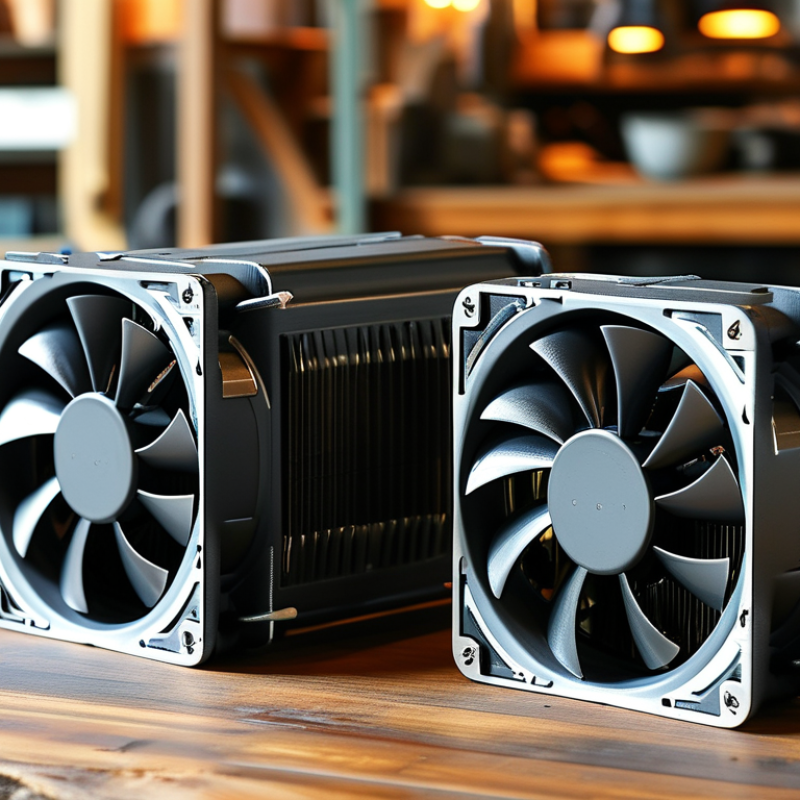
Understanding DC Brushless Cooling Fans: An Overview
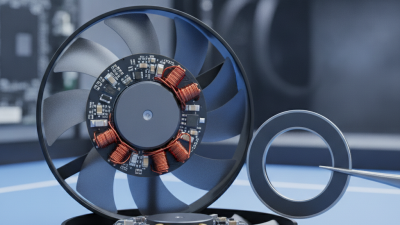
DC brushless cooling fans are essential components in various applications, from computers to industrial machinery. These fans operate without brushes, which reduces friction and heat production. This design leads to improved efficiency and longevity. The typical lifespan of a brushless fan can exceed 50,000 hours, making them a reliable choice.
One of the key advantages is their quiet operation. Many users appreciate the low noise levels, particularly in home or office settings. Users often report a significant reduction in ambient noise when switching to DC brushless models. These fans also provide better airflow and cooling performance, essential for maintaining optimal operating temperatures in sensitive equipment.
Nevertheless, buyers should be aware of potential drawbacks. The initial cost of DC brushless fans may be higher compared to traditional fans. This price difference can lead some to question their value. It’s crucial to consider the long-term benefits, like reduced maintenance needs and lower energy consumption. Evaluating these factors can help in making an informed decision.
Key Benefits of Using DC Brushless Cooling Fans
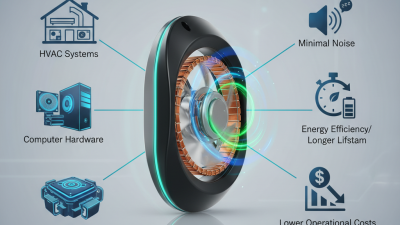
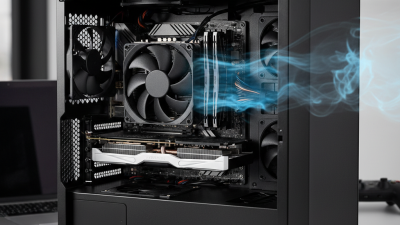
DC brushless cooling fans offer numerous advantages that make them a popular choice in various applications. One significant benefit is their exceptional energy efficiency. These fans consume less power than traditional fans. As a result, they help reduce overall energy costs. This efficiency is particularly important in devices that run continuously, such as computers and HVAC systems.
Another key advantage of DC brushless fans is their durability. They operate without brushes, which minimizes wear and tear. This design leads to a longer lifespan compared to brushed fans. Consequently, users can experience less frequent replacements and maintenance. This reliability is crucial for applications that demand a consistent airflow without failure.
Moreover, these fans operate quietly, making them suitable for noise-sensitive environments. Their sound levels are often significantly lower than other types, enhancing user comfort. However, it is worth noting that while they excel in many areas, specific cooling requirements might necessitate different fan types. Understanding your unique needs is essential before making a decision.
Factors to Consider When Buying a DC Brushless Cooling Fan
When choosing a DC brushless cooling fan, several key factors come into play. The fan's size and design must match your specific space requirements. Opt for models that offer efficient airflow and noise levels suitable for your environment. Consider where the fan will be placed. High static pressure fans work best in restrictive spaces, while high airflow models are ideal for open areas.
Power consumption also matters. Look for fans that provide a good balance between performance and energy efficiency. Some users may overlook this aspect, leading to higher operational costs. Additionally, ensure the fan operates reliably under various conditions, as inconsistent performance can affect overall system functionality.
Don't forget about durability. Brushless fans tend to have longer lifespans, but materials and build quality still impact longevity. Check for additional features, such as speed control and mounting options that suit your needs. Lastly, reflect on your specific requirements rather than just following trends. This ensures you invest wisely in a fan that meets your expectations.
Comparing DC Brushless Fans with Other Cooling Solutions
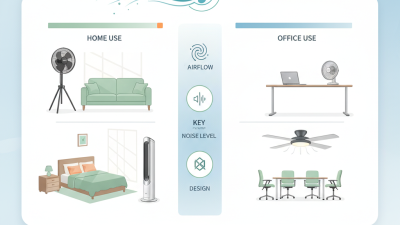
When it comes to cooling solutions, DC brushless fans stand out in several ways. Their design offers high energy efficiency, making them a popular choice. Unlike traditional fans, these brushless models operate without friction, resulting in longer lifespans. This is significant in industries where reliability is vital. They also generate less noise, an advantage for sensitive environments like offices or bedrooms.
Comparing DC brushless fans to other cooling options reveals clear benefits. Other cooling methods, such as AC fans, may offer raw power but can be noisier and less energy-efficient. Additionally, cooling systems like liquid cooling can be complex and costly to maintain. While brushless fans are versatile and easier to integrate, they may not fit every scenario. For high-performance systems, users might still consider alternative solutions.
Understanding the differences assists users in making informed decisions. Factors such as space, noise tolerance, and energy consumption play crucial roles. Deciding on the right cooling solution should align with specific needs. It’s important to weigh the pros and cons of each option carefully. Exploring details about airflow and maintenance can further clarify the best choice for your situation.
Top DC Brushless Cooling Fan Benefits and Buying Guide
| Feature |
DC Brushless Fans |
Traditional Fans |
| Energy Efficiency |
High efficiency, consumes less power |
Lower efficiency, consumes more power |
| Noise Level |
Quieter operation |
Generally louder during operation |
| Lifespan |
Longer lifespan, typically over 50,000 hours |
Shorter lifespan, around 20,000 hours |
| Speed Control |
More precise speed control |
Limited speed control options |
| Cost |
Higher initial investment |
Lower initial cost |
| Maintenance |
Low maintenance required |
Requires more frequent maintenance |
Maintenance Tips for Maximizing Fan Performance
To maintain the performance of your DC brushless cooling fan, regular cleaning is essential. Dust accumulation can significantly impact its efficiency. Use a soft brush or compressed air to gently remove dust from the blades and housing. Ensure the fan is powered off before beginning any cleaning task. If the fan is installed in a hard-to-reach place, consider using a vacuum attachment with a brush. Simple cleaning can extend the fan's lifespan.
Another critical aspect is monitoring the fan's noise levels. A sudden increase in noise can indicate mechanical issues. Listen for unusual sounds that may signal wear and tear. If noise persists after cleaning, it may require lubrication or replacement. Using appropriate lubricants can help reduce friction, but take care not to over-lubricate, as this may cause more harm than good.
Lastly, consider the environment where the fan operates. High humidity or extreme temperatures can shorten its life. Make necessary adjustments to the fan placement or use it less frequently in harsh conditions. Keep in mind that all fans will require eventual replacement. Don't neglect this reality; frequent inspections can save time and costs in the long run. These practices will help ensure your fan operates efficiently.