What is an Axial Fan Mini Fan and Its Benefits for Buyers?
In recent years, the demand for efficient cooling solutions has surged. The global axial fan market is projected to grow at a compound annual growth rate (CAGR) of 5.5%, according to industry reports. Among various cooling systems, the Axial Fan Mini Fan has gained considerable attention. This compact fan provides effective airflow in tight spaces, benefiting both residential and commercial users.
The Axial Fan Mini Fan operates on a simple design principle, moving air parallel to the fan's axis. This design allows for high efficiency and relatively low power consumption, making it an attractive option for energy-conscious consumers. Moreover, a study by the Department of Energy highlights that mini fans can reduce indoor temperatures significantly, enhancing comfort while potentially lowering energy bills.
However, potential buyers should consider that not every Axial Fan Mini Fan will meet their specific needs. Factors such as noise levels and airflow capacity can vary widely. Understanding these variables is crucial before making a purchase. Ultimately, the right choice can lead to improved air circulation, making living and working environments more pleasant.
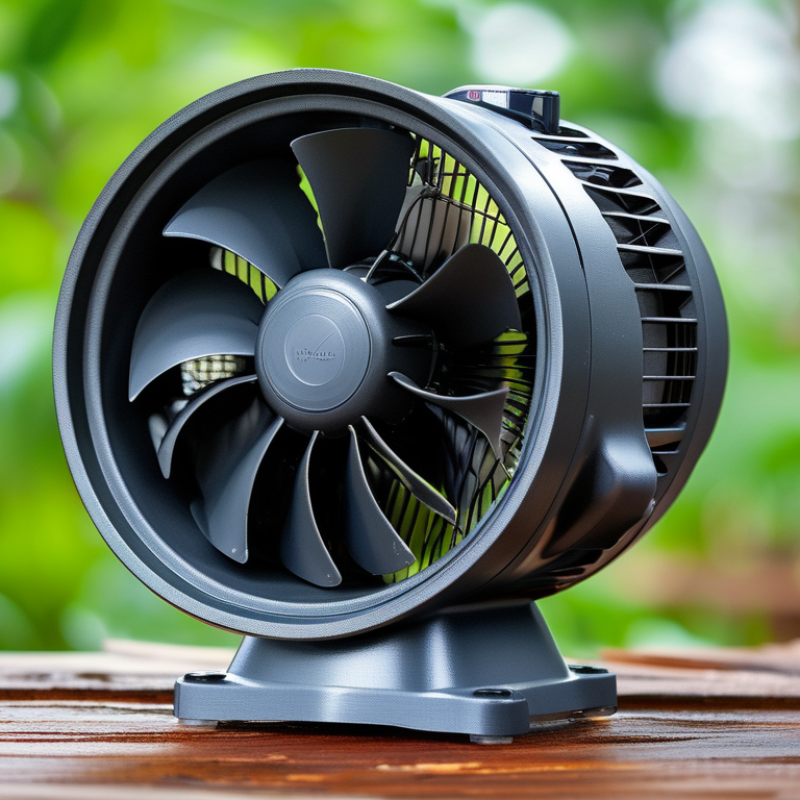
What is an Axial Fan Mini Fan and How Does It Function?
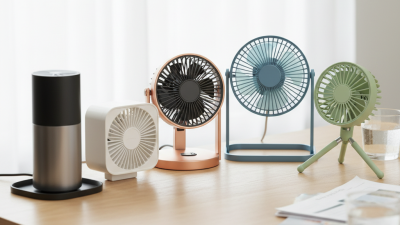
An axial fan mini fan is a compact device designed for efficient air circulation. It consists of blades that rotate around an axis, propelling air in a single direction. This design allows for effective cooling solutions in small spaces. The simplicity of its construction often means lower energy consumption, making it an eco-friendly choice. Users benefit from its lightweight design, making it easy to transport and position.
Functionally, these fans operate by drawing in air through the fan's front and releasing it from the back. This airflow creates a cooling effect, which can be particularly beneficial during warmer months. Axial fans excel in providing immediate comfort in localized areas. Their versatility enables them to be used in homes, offices, and even outdoor settings. However, one could argue that while they are effective, their noise level can be a drawback for some users.
In terms of benefits, axial fan mini fans deliver portability and efficiency. They can easily fit on a desk or tabletop without taking up much space. Many people appreciate their ability to provide extra airflow, especially in stuffy environments. However, it is essential for potential buyers to consider the noise and airflow intensity. Reflecting on these aspects ensures a more informed purchasing decision.
Key Differences Between Axial Fans and Other Fan Types
Axial fans are distinct in design and functionality compared to other fan types. They move air parallel to the axis of the fan, creating a direct airflow that is efficient for various applications. Unlike centrifugal fans, which rely on a different mechanism to increase air pressure, axial fans can generate more airflow at lower pressures. This makes them ideal for cooling systems, ventilation, and exhaust applications.
When comparing axial fans to radial or other fan types, their size and weight often prove advantageous. They tend to be lighter and more compact, making them easy to install and transport. However, the simplicity of their design can also lead to limitations. For environments requiring high static pressure, axial fans might underperform. Therefore, understanding your specific cooling or ventilation needs is essential.
In addition to their efficiency, axial fans have low operational costs, appealing to budget-conscious buyers. Yet, buyers should consider noise levels. While some axial fans operate quietly, others may generate unwanted sounds. Balancing performance and noise is a challenge in achieving optimal airflow. This complexity highlights the importance of careful selection when choosing the right fan type for a project.
What is an Axial Fan Mini Fan and Its Benefits for Buyers? - Key Differences Between Axial Fans and Other Fan Types
| Feature |
Axial Fan |
Centrifugal Fan |
Blower |
| Design |
Blades mounted parallel to the airflow direction |
Blades curved to change airflow direction |
Used for high-pressure air movement |
| Airflow Rate |
High volume, low pressure |
Moderate volume, high pressure |
Low volume, very high pressure |
| Typical Applications |
Cooling, exhaust, ventilation |
Industrial applications, HVAC |
Heating, cooling systems |
| Efficiency |
Generally efficient for larger spaces |
Better for pressurized systems |
Less efficient for open systems |
| Noise Level |
Generally quieter |
Can be noisy |
Often loud due to high pressure |
| Size |
Compact and portable |
Larger and heavier |
Varies, typically bulky |
Benefits of Using Axial Fan Mini Fans for Residential and Commercial Use
Axial fan mini fans are becoming increasingly popular in both residential and commercial settings. These compact devices feature blades that move air in a straight line, making them efficient in cooling small spaces. According to industry reports, the axial fan market is projected to grow by 7% annually, reflecting their growing adoption.
For residential use, axial fan mini fans excel in areas like kitchens and home offices. Their size allows for installation in tight spaces without disrupting the aesthetics of the room. Reports show that by improving air circulation, these fans can lower indoor temperatures by up to 5 degrees, which can lead to significant energy savings on air conditioning.
In commercial applications, these fans are perfect for server rooms or small retail shops. Their ability to maintain continuous airflow helps prevent overheating of equipment. Industry experts note that managing temperature effectively can extend the life of electronic devices, potentially saving businesses significant replacement costs.
One important tip for buyers is to consider airflow efficiency ratings when selecting a fan. Additionally, regular maintenance is key to ensure optimal performance and longevity. Knowing the specific needs of your environment will help you choose the right type of axial fan mini fan. This decision can greatly enhance comfort and productivity in both home and work environments.
Industry Data: Efficiency Ratings and Performance Metrics of Axial Fans
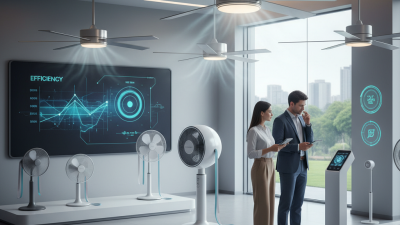
Axial fans are gaining popularity due to their efficient performance and compact design. According to a recent industry report, these fans can achieve efficiency ratings of up to 90%. This high efficiency is crucial for minimizing energy consumption while providing effective air circulation. Many buyers appreciate this as it translates to cost savings over time.
Performance metrics also highlight the airflow capabilities of axial fans. They can typically move air at higher volumes compared to other fan types. The average airflow for a standard axial fan can reach over 1,500 CFM (cubic feet per minute). This makes them suitable for various applications, from home cooling to industrial ventilation systems. While axial fans excel in efficiency, they may not always provide uniform airflow, which could be a potential drawback for some users.
Buyers should also consider noise levels. Some models produce more noise because of their high-speed operation. Reports indicate noise levels can range from 35 to 70 decibels. This variance can be significant in quieter environments where noise control is essential. Despite these concerns, the advantages of energy efficiency and airflow make axial fans a useful choice for many consumers.
Top Applications of Axial Fan Mini Fans in Different Sectors
Axial fan mini fans are versatile devices widely used across various sectors. In residential settings, they improve air circulation, making them perfect for small rooms. Their compact size means they can fit in tight spaces, like dorm rooms or offices. Workers appreciate the cool breeze they provide during hot days. In industrial applications, axial fans play a crucial role in cooling equipment and maintaining optimal temperatures. They efficiently remove heat, enhancing the performance of machinery.
Another significant application is in agriculture. These fans help control temperatures in greenhouses, ensuring that plants thrive. By promoting air movement, they reduce humidity levels that could lead to mold. In the automotive industry, these miniature fans are essential for cooling engines. They ensure that high-performance vehicles stay in peak condition.
Despite their numerous advantages, some users may find axial fan mini fans too noisy for certain environments. This factor can be a drawback in quiet spaces like libraries or study areas. It’s also important to regularly maintain these fans to ensure optimal performance. Dust buildup can lead to decreased efficiency, which might not be initially obvious. Proper care is crucial for long-lasting functionality.