Top 10 Tips for Choosing the Best DC Cross Flow Fan for Your Needs?
Choosing the right DC Cross Flow Fan can significantly impact your project's efficiency. According to industry expert Dr. Emily Carter, "Selecting the right fan is crucial for optimal airflow." A DC Cross Flow Fan is distinct for its ability to deliver consistent air distribution across a wide surface area.
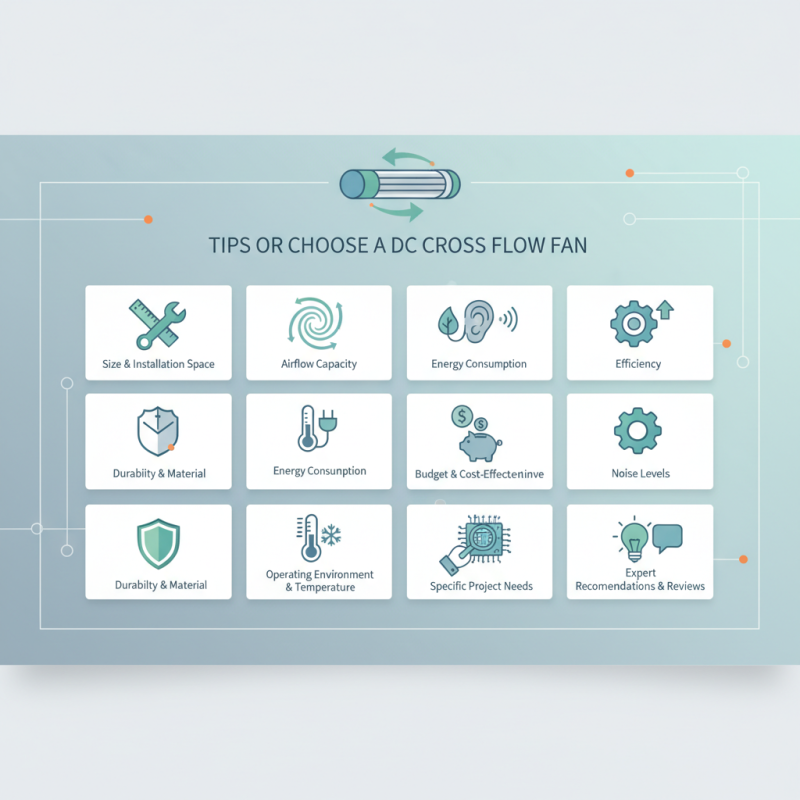
However, navigating the market can be challenging. Options abound, from size to airflow capacity and energy consumption. It’s vital to consider your specific needs to avoid costly mistakes. Many users overlook critical factors like noise levels and installation space, leading to dissatisfaction.
In the end, an informed choice is essential. Reflecting on your requirements will help in selecting the best DC Cross Flow Fan. Exploring expert recommendations can guide you in the right direction and ensure you make a wise investment.
Understanding the Basics of DC Cross Flow Fans
DC cross flow fans are essential in various applications. Understanding their basics helps in making informed decisions. These fans, unlike traditional axial fans, move air in a cross-sectional flow. This design offers enhanced cooling efficiency and a more uniform airflow.
Research indicates that DC cross flow fans can provide energy savings of up to 40% compared to AC fans. A 2022 report from the International Energy Agency highlighted the growing demand for energy-efficient solutions. As industries focus on sustainability, these fans stand out in the market.
Many users, however, struggle with selecting the right model. The wide range of specifications often leads to confusion. It’s crucial to consider airflow, noise levels, and power consumption.
The fan's size can significantly impact its performance. It's not uncommon to see users overlook the importance of these factors. Some models may not deliver expected results, leading to dissatisfaction.
Understanding basic metrics can help avoid common pitfalls in fan selection. Being informed can reduce potential risks associated with poor choices.
Evaluating Energy Efficiency Ratings and Performance
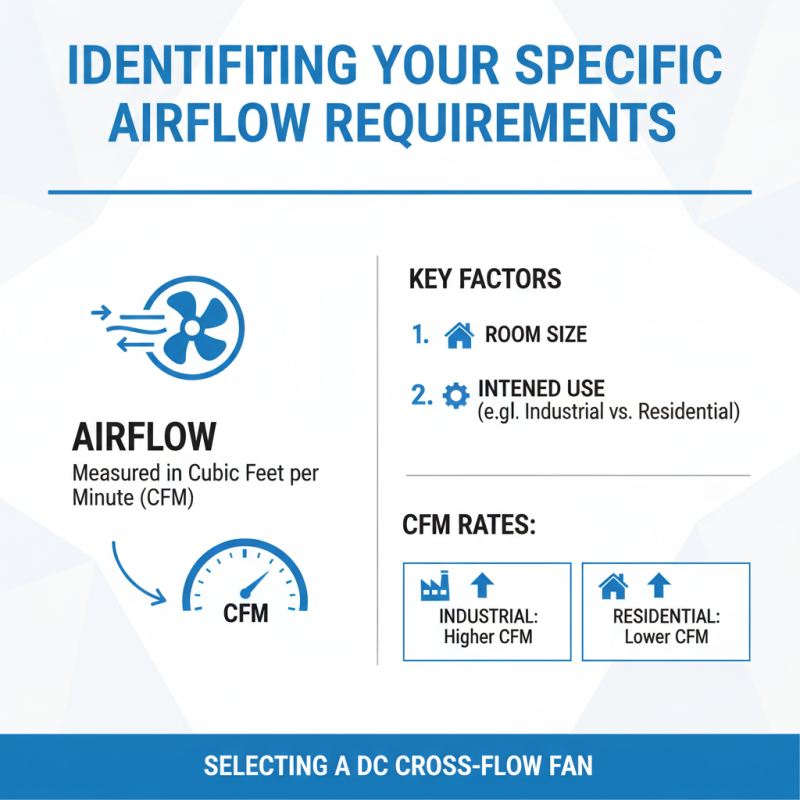
When choosing a DC cross flow fan, energy efficiency ratings should be a primary focus. These ratings indicate how effectively the fan converts electrical energy into airflow. Look for fans with high efficiency ratings to ensure lower energy consumption. Checking the fan's airflow capacity is equally crucial. A well-rated fan will provide ample airflow while minimizing power usage.
Performance metrics such as noise levels and durability are important, too. A quiet fan can enhance comfort, especially in residential or office settings. Lower noise levels often correlate with better design and engineering quality. Durability affects long-term reliability, so consider materials and construction methods when evaluating options.
It's essential to balance efficiency and performance. Some fans may excel in one area while lacking in another. It’s worth investing time in researching various models and user reviews. Gathering insights can reveal real-world experiences that specifications alone may not convey. This approach helps in making an informed decision tailored to your specific needs.
Top 10 Tips for Choosing the Best DC Cross Flow Fan for Your Needs
| Model |
Airflow (CFM) |
Power Consumption (W) |
Noise Level (dB) |
Energy Efficiency Rating |
| Model A |
150 CFM |
35 W |
45 dB |
A++ |
| Model B |
200 CFM |
50 W |
50 dB |
A+ |
| Model C |
250 CFM |
60 W |
55 dB |
B |
| Model D |
180 CFM |
40 W |
48 dB |
A++ |
| Model E |
220 CFM |
55 W |
53 dB |
A+ |
Comparing Size and Design Options for Installation
When selecting a DC cross flow fan, size and design play a critical role in installation. The
space available for the fan can significantly affect its performance.
Measure your installation area carefully. A fan that's too large can cause airflow issues. Conversely, a smaller unit
may not provide adequate cooling or ventilation.
Design options are equally important. Different fan designs offer varying
airflow patterns. Consider the direction of airflow needed for your specific application. Some designs focus on
high-static pressure, ideal for narrow spaces, while others prioritize air distribution across wider areas.
Evaluate the aesthetics as well. A fan that blends seamlessly with your setup can improve overall design appeal.
Installation challenges are common.
For instance, mounting points may not align easily with your fan's design. This could cause delays in installation
or require modifications. Take these factors into account before making a decision. Understanding the unique
needs of your space will help you choose a fan that truly fits your requirements.
Analyzing Noise Levels and Maintenance Needs
When choosing a DC cross flow fan, understanding noise levels is essential. Noise can significantly affect your environment, whether in residential or industrial settings. Studies from industry reports indicate that noise levels can range from 30 dB to over 60 dB, depending on the fan size and design. A fan rated at 30 dB is equivalent to a whisper, while 60 dB is comparable to the sound of a normal conversation. It’s crucial to assess how noise may impact your specific use case.
Regular maintenance is another vital aspect to consider. Many users underestimate the maintenance needs of fans. A report by the Association of Ventilation and Cooling Professionals highlights that neglecting periodic maintenance can increase noise levels by 10-20%. Dust buildup and mechanical wear can exacerbate sound output over time. Cleaning and checking components regularly will ensure optimal performance and longevity of the fan.
Accessibility for maintenance also varies. Some fan designs might require disassembly, complicating upkeep tasks. Balancing ease of maintenance with performance is key. This aspect is often overlooked, leading to operational inefficiencies. When selecting a fan, consider not just the immediate benefits but also long-term functional needs. Reflecting on maintenance logistics can ultimately save costs and improve overall satisfaction.