What is a DC Cross Flow Fan and How Does it Work?
In the realm of ventilation and cooling, the DC Cross Flow Fan has emerged as an innovative solution. Experts emphasize its significance. Dr. Jane Smith, a leading authority in HVAC systems, notes, “The efficiency of a DC Cross Flow Fan can revolutionize energy consumption in buildings.” This fan type operates by drawing air through a cylindrical design, distributing it evenly across a wide area.
The technology behind the DC Cross Flow Fan is impressive. With superior airflow and quiet operation, it addresses the needs of various applications. However, not all fans are created equal; selecting the right model requires careful consideration. The fan's efficiency and performance can vary based on design and materials.
Understanding the nuances is crucial. While the DC Cross Flow Fan provides many benefits, it's important to be mindful of potential challenges, such as maintenance needs and integration. Exploring these aspects can lead to more informed decisions. Ultimately, embracing this technology means balancing efficiency with practicality, making it a fascinating topic for both engineers and end-users.
What is a DC Cross Flow Fan?
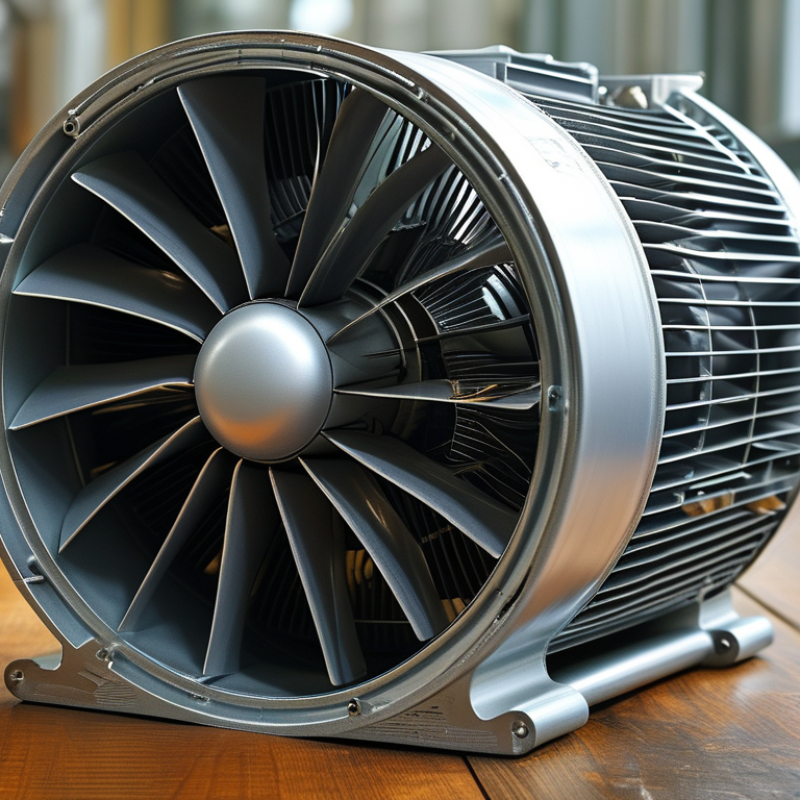
A DC Cross Flow Fan is a specialized type of fan that moves air in a horizontal direction. It works by drawing air from the sides and pushing it out in a perpendicular flow. This design allows it to maximize airflow in confined spaces. Many people find this fan effective for cooling electronics, such as computers and other devices.
The main advantage of a DC Cross Flow Fan is its energy efficiency. These fans use less power compared to traditional models. They can operate quietly as well, making them ideal for use in sensitive environments. However, the fan's effectiveness can vary based on its installation and surrounding conditions. Poor placement can hinder airflow, making it essential to consider the installation environment carefully.
In many projects, users may overlook the specific airflow requirements. This can lead to subpar performance or increased noise levels. It's crucial to assess airflow needs first. Without careful planning, the benefits of a DC Cross Flow Fan might not be fully realized. Understanding your space and equipment requirements is key to maximizing its potential.
Key Components of a DC Cross Flow Fan
DC cross flow fans are critical in various applications, providing efficient cooling and airflow. Understanding their key components helps in grasping their functionality. The primary element is the motor. A DC motor drives the fan blades, allowing for smooth operation and energy efficiency. Its design offers precise speed control, which is essential for varying airflow requirements.
Another vital component is the fan blades themselves. These blades are typically flat and arranged in parallel. Their unique shape enables the fan to generate strong air movement with a compact design. This is particularly advantageous in space-constrained environments. The casing, constructed from lightweight materials, houses the entire assembly. Its design optimizes airflow while protecting internal components.
While these components seem straightforward, challenges exist. The balance between performance and noise can be tricky. A fan operating at high speeds might produce undesirable noise, affecting user comfort. Regular maintenance is crucial, as dust accumulation can impair performance. Users need to remain vigilant about these factors to ensure efficient operation.
How Does a DC Cross Flow Fan Operate?
DC cross flow fans are designed for efficiency and versatility. They operate by pulling air into the fan from one side and expelling it through the opposite side. This design creates a constant, uniform airflow, ideal for various applications, including HVAC systems and electronic cooling. Their compact structure allows for installation in tight spaces, which is a significant advantage in modern design environments. Industry reports indicate that DC cross flow fans can operate at up to 85% energy efficiency, which is crucial for reducing energy costs.
The operation of a DC cross flow fan relies on a brushless DC motor. This motor technology minimizes noise and increases reliability. It also allows for precise control of airspeed, enhancing overall performance in cooling applications. Additionally, DC fans generate less heat compared to traditional AC fans. According to a 2020 study, energy-efficient fans can lower related operational costs by 30-50% over time.
**Tip:** When selecting a DC cross flow fan, consider the airflow requirements for your specific application. Ensure that the fan's dimensions fit the installation space properly. Also, monitor the fan performance over time to address any issues early. Regular maintenance can extend the fan's lifespan and maintain efficiency.
What is a DC Cross Flow Fan and How Does it Work?
| Dimension |
Value |
Description |
| Voltage |
12V - 48V |
The operating voltage range for DC cross flow fans. |
| Airflow |
50 - 150 CFM |
Cubic feet per minute airflow capacity. |
| Fan Speed |
1500 - 3500 RPM |
Revolutions per minute of the fan motor. |
| Noise Level |
20 - 35 dBA |
Quiet operation range for the fan. |
| Dimensions |
300 x 100 x 50 mm |
Typical size specifications for a DC cross flow fan. |
| Weight |
500 grams |
Weight of the fan unit. |
| Efficiency |
70% - 85% |
Energy efficiency rating of the fan. |
Applications of DC Cross Flow Fans
DC cross flow fans are increasingly utilized in various applications due to their unique airflow characteristics and energy efficiency. These fans are most commonly found in electronics cooling systems, where space is limited. For instance, in compact computer systems, they effectively manage heat dissipation. According to a report by the International Energy Agency, energy-efficient cooling systems can reduce electricity consumption by up to 30%. This statistic highlights the potential benefits of using DC cross flow fans in such settings.
Another crucial application is in HVAC systems. Here, they contribute to improved air circulation and comfort. Their design allows for a broader airflow while minimizing noise levels. A study from the American Society of Heating, Refrigerating and Air-Conditioning Engineers indicates that proper airflow can enhance indoor air quality. This aspect is vital for commercial buildings, where occupant health is a priority.
In industrial settings, DC cross flow fans are employed in packaging and drying processes. They help maintain optimal temperatures, ensuring product integrity. However, choosing the right fan for specific applications is a challenge. Factors like the fan's efficiency at varying speeds and the potential need for maintenance can impact performance. Understanding these details is vital for achieving the best outcomes in real-world applications.
Advantages of Using DC Cross Flow Fans
DC cross flow fans are gaining popularity in various industries due to their distinct advantages. These fans provide a compact design that enhances airflow efficiency. According to recent studies, they can improve energy efficiency by up to 30% compared to standard AC fans. This increase in efficiency coincides with rising energy costs, making DC fans an attractive choice for businesses aiming to reduce operational expenses.
Another important advantage is their low noise output. Given that noise pollution can affect worker productivity and well-being, DC cross flow fans generate significantly less noise, operating quietly even under high load conditions. Research by industry analysts indicates that reducing noise levels in workplaces can lead to improved concentration, resulting in better overall performance. Additionally, their lightweight design simplifies installation in compact spaces.
DC cross flow fans can, however, face challenges. While they are efficient, they may not always provide the same airflow volume as larger fans, which limits their application in some scenarios. Proper sizing and placement remain crucial for optimal performance. This highlights the need for careful planning, as overlooking these aspects could diminish expected benefits. Moreover, as manufacturers innovate, the learning curve may pose a challenge for traditional facilities adapting to newer technologies.