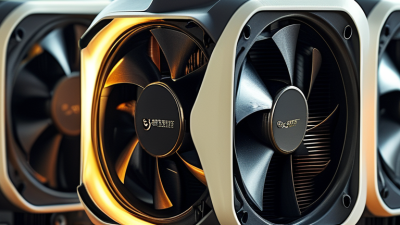
Why Choose a Cross Flow Fan for Your Ventilation Needs?
When it comes to ventilation systems, the choice of fan plays a crucial role. Experts often emphasize the significance of selecting the right fan type. John Smith, a leading authority in HVAC technologies, states, "A Cross Flow Fan can enhance air circulation effectively, especially in tight spaces." This insight highlights the unique design and functionality of the Cross Flow Fan.
The Cross Flow Fan is distinct, featuring a compact design that allows for efficient airflow in both large and small areas. Unlike traditional fans, this type provides a more uniform air distribution. For facilities where space is limited, its slim profile proves advantageous. Furthermore, it operates quietly, making it suitable for environments requiring minimal noise disruption.
While the benefits of a Cross Flow Fan are evident, potential buyers should weigh their specific needs carefully. Not every situation may call for this fan type. As with any technology, understanding the unique requirements of each setting can lead to the best decision. This careful consideration ensures that the chosen ventilation solution meets both efficiency and comfort standards.
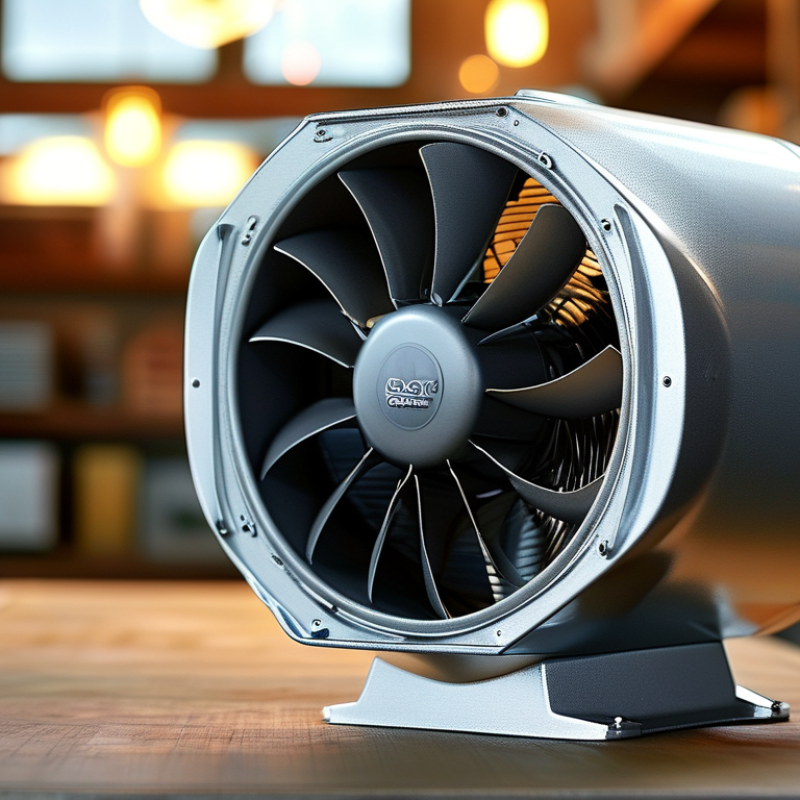
Understanding Cross Flow Fans and Their Functionality
Cross flow fans are unique in their design and functionality. Unlike traditional fans, they move air across a wide area. This design allows for effective ventilation in various spaces, including industrial and commercial settings. The airflow is directed at a right angle to the fan's blades, which generates powerful air movement. This feature is particularly beneficial for cooling systems and exhaust applications.
One key advantage of cross flow fans is their compact size. They can fit into tighter spaces where conventional fans might struggle. This makes them versatile for installation in homes or offices. However, one drawback is that they often create more noise than other fan types. Users must weigh the need for effective airflow against potential noise levels.
Understanding these fans is crucial for making informed decisions. They can be more efficient in certain scenarios, offering better air distribution. Users should reflect on their specific needs. If quiet operation is a priority, other fan types may be preferable. So, carefully consider your environment before choosing a cross flow fan for ventilation needs.
Advantages of Cross Flow Fans for Ventilation Systems
Cross flow fans are emerging as an effective solution for various ventilation needs. These fans possess unique advantages that enhance air circulation and system performance. According to industry research, cross flow fans can improve airflow efficiency by up to 30% compared to traditional axial fans. This efficiency translates to reduced energy consumption and lower operating costs, a critical factor for businesses aiming to optimize budgets.
When designing a ventilation system, consider the placement of cross flow fans. Their ability to provide uniform airflow across larger areas helps in maintaining consistent temperature and air quality. It’s beneficial to remember that the installation might require adjustments to existing setups. Perceived noise levels are generally lower too, making them suitable for environments needing quieter operation, such as offices and hospitals.
Tip: Always evaluate the specific airflow requirements before selecting a fan. Small changes to a system’s design can impact its overall effectiveness. Regular maintenance is also essential. Fans can accumulate dust and debris over time, reducing their performance. Keeping them clean ensures optimal operation. An informed choice now can lead to better results later.
Applications of Cross Flow Fans in Various Industries
Cross flow fans are versatile components commonly utilized in various industries. These fans are well-known for their ability to provide efficient airflow in tight spaces. This unique airflow pattern makes them ideal for applications where space is limited. According to a recent industry report, cross flow fans can achieve efficiency ratings of up to 90%. This statistic highlights their potential in energy conservation.
In the HVAC sector, these fans enhance air distribution, ensuring even temperature control. A study conducted by the Air-Conditioning, Heating, and Refrigeration Institute revealed that effective ventilation can reduce energy costs by 20% to 30%. This is crucial in commercial buildings, where maintaining comfort levels directly impacts productivity. In healthcare, cross flow fans help maintain sterile environments. Their operation minimizes dust and contaminants, supporting cleanliness in medical facilities.
The automotive industry also benefits from cross flow fans. Used in engine cooling systems, they aid in temperature regulation. This is essential for performance and longevity. While their advantages are clear, it is essential to consider the noise levels produced. Some users report operational noise that can be disruptive. Therefore, careful selection and installation are crucial for optimizing their benefits.
Advantages of Cross Flow Fans in Various Industries
Comparison of Cross Flow Fans with Other Fan Types
When considering ventilation needs, the choice of fan type matters significantly. Cross flow fans stand out compared to axial and centrifugal fans in various applications. Unlike axial fans, which move air along the axis, cross flow fans push air perpendicular to the axis. This design ensures better air distribution. It leads to more uniform airflow in enclosed spaces like offices or storage areas.
In addition, cross flow fans typically operate quietly. This low noise level makes them an excellent option for residential settings. On the other hand, centrifugal fans can generate higher pressure, but they often consume more energy and require larger installations. While they work well in industrial environments, they may not be suitable for smaller spaces. Cross flow fans adapt to tight spots effectively and serve a range of ventilation tasks.
Considering reliability, cross flow fans often have fewer moving parts. Thus, they tend to be easier to maintain. However, they might not have the same powerful airflow as some centrifugal models. Evaluating the specific needs of your space is crucial. A detailed assessment can help identify the right fan type for the job, balancing performance and efficiency effectively.
Factors to Consider When Selecting a Cross Flow Fan
When selecting a cross flow fan, several factors come into play. Understanding these aspects ensures you make an informed choice. First, consider the airflow capacity. A fan should match your ventilation needs based on the space's size. Look for specifications that detail cubic feet per minute (CFM) ratings. This number indicates how much air the fan can move.
Another critical factor is noise level. Cross flow fans are known for their quiet operation, but some can be louder than others. If the environment demands silence—such as in a library or hospital—select a low-noise option. Check user reviews for real-world assessments of noise levels.
Tips: Look into the fan's energy efficiency. A fan that consumes less power saves on energy bills. Also, explore maintenance requirements. Some fans may require frequent cleaning or parts replacement, which adds to long-term costs.
Placement also matters. The fan should be positioned to enhance air circulation without obstructing pathways. A poorly placed fan might lead to inefficient airflow and a stagnant environment. Assess your space to find the ideal installation point for optimal performance.