Top 10 Benefits of Using Dc Brushless Cooling Fans in Modern Applications?
In today's fast-paced technological landscape, reliability and efficiency are paramount. The use of a DC Brushless Cooling Fan has gained significant traction across various industries. These fans not only improve airflow but also enhance operational lifespan. Their design offers superior performance compared to traditional fans. With no brushes to wear out, they reduce maintenance needs and operational costs.
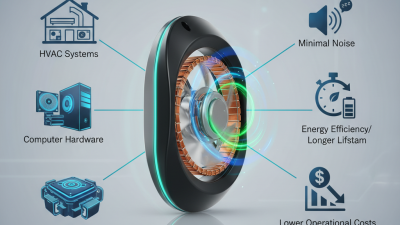
The benefits of adopting DC Brushless Cooling Fans extend beyond mere efficiency. They operate quietly, making them ideal for sensitive environments. Moreover, their energy-efficient nature contributes to lower electricity bills, which can be a game-changer for businesses. As industries strive for sustainability, these fans align with environmentally friendly practices.
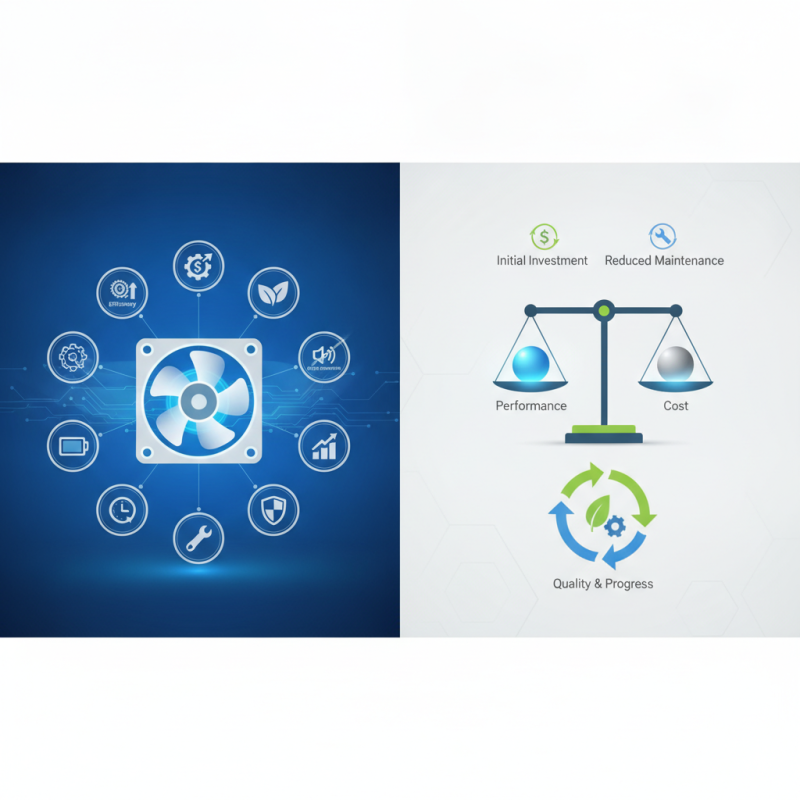
However, some challenges exist. The initial investment might be higher than traditional fans. All users should consider their specific applications before making the switch. Ultimately, the decision to use a DC Brushless Cooling Fan can signify a commitment to quality and progress in modern applications. Balancing cost considerations with performance is crucial for long-term success.
Advantages of DC Brushless Cooling Fans in Energy Efficiency
DC brushless cooling fans are gaining traction in various modern applications. Their energy efficiency stands out as a critical advantage. Unlike traditional fans, these designs eliminate the brushes that cause friction. This leads to significant energy savings, making them a preferred choice for various systems.
Many experts recognize the importance of energy efficiency in today's market. DC brushless fans consume less power, reducing electricity bills. For example, in HVAC systems, their efficiency helps maintain optimal temperatures with minimal energy use. These fans also produce less heat, which further contributes to system efficiency.
While the benefits are clear, there is room for improvement. The initial cost can be higher compared to traditional fans. Some may find the complexity of settings discouraging. Nonetheless, the long-term savings often outweigh these concerns. Adopting these fans requires careful evaluation and planning, but the rewards can be substantial.
Top 10 Benefits of Using DC Brushless Cooling Fans in Modern Applications
Enhanced Longevity and Reliability of DC Brushless Cooling Fans
DC brushless cooling fans offer significant advantages over traditional fans, particularly in terms of longevity and reliability. According to a study conducted by the International Journal of Thermal Sciences, these fans can last up to 50,000 hours, compared to just 30,000 hours for their brushed counterparts. This extended lifespan translates to lower replacement costs and reduced maintenance efforts, factors crucial for modern applications in industries such as electronics and HVAC.
Moreover, the design of DC brushless fans minimizes mechanical wear. With no brushes to create friction, these fans operate silently and more efficiently. They typically consume 30% less energy, which contributes positively to both sustainability efforts and operational costs. Despite these benefits, it's essential to consider environmental factors like dust and humidity, which can impact performance. Regular maintenance and monitoring can help mitigate these issues and ensure optimal functioning.
While the advantages are clear, understanding the limitations of DC brushless technology is equally important. For instance, in extreme temperature conditions, some models may underperform. Awareness of these potential pitfalls is key for effective integration into systems demanding high reliability. By being mindful of these factors, users can maximize the benefits of brushless cooling fans in their applications.
Noise Reduction Features of DC Brushless Cooling Fans
DC brushless cooling fans are increasingly popular in various applications due to their
noise reduction features. Unlike traditional fans, they operate quietly,
producing minimal sound levels. Reports indicate that these fans can reduce noise output by up to
50%. This characteristic is essential in environments where silence is crucial, such as
in hospitals or libraries.
In addition, DC brushless fans demonstrate impressive reliability. These fans have a longer lifespan due
to their design, which eliminates brushes. Studies show that they can last up to 50,000 hours
or more. This longevity not only reduces maintenance costs but also ensures a steady cooling performance over time.
Tip: When selecting a fan, consider the decibel level. Many manufacturers provide noise ratings, making comparisons easier.
Another advantage is energy efficiency. DC brushless fans consume less power than their AC counterparts.
This feature results in cost savings, especially for large installations.
For instance, one study found that using DC fans can cut energy costs by up to 30%. However, it's
worth noting that initial costs may be higher.
Tip: Factor in both energy savings and initial investment when making a decision. Over time, the savings can offset higher upfront costs.
Versatility of DC Brushless Cooling Fans in Various Applications
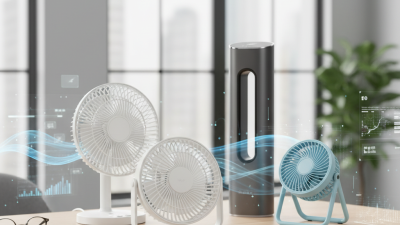
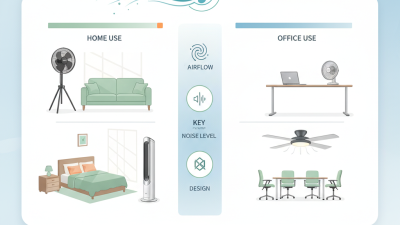
DC brushless cooling fans are increasingly vital in various modern applications. Their versatility makes them suitable for industries like electronics, automotive, and HVAC. According to a report by Grand View Research, the global market for cooling fans is projected to reach $6.1 billion by 2025, driven by the demand for energy efficiency and long life expectancy.
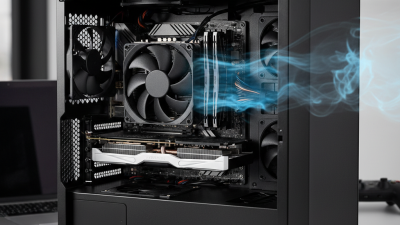
These fans are lightweight, quiet, and provide consistent airflow. Their design reduces vibration and maintenance needs. This efficiency can lead to prolonged lifespan in sensitive equipment. For instance, in data centers, they can help manage heat more effectively, ensuring optimal performance and reliability. Yet, not all implementations have been perfect. Some users report issues with compatibility in older systems, necessitating additional adapters.
**Tip:** When considering a DC brushless fan, ensure it is compatible with your existing setup.
Moreover, the fans are adaptable in design, fitting various sizes and shapes. This adaptability means they can be used in compact spaces where traditional fans cannot operate. However, companies must be cautious of potential oversizing, which can lead to excessive airflow and noise.
**Tip:** Assess your cooling needs carefully before selecting a fan.
Improved Cooling Performance with DC Brushless Technology
DC brushless cooling fans have revolutionized cooling technology in various applications. These fans offer superior cooling performance due to their efficient design. Unlike traditional fans, they eliminate the need for brushes, reducing wear and tear. This leads to longer operational life and fewer maintenance needs, appealing to industries focused on reliability.
Advanced DC brushless motors provide consistent airflow, enhancing heat dissipation in critical environments. This technology ensures that devices operate within safe temperature ranges. The precise control of speed allows for adjustments based on real-time demands. This capability brings a level of efficiency that can significantly reduce energy consumption.
However, the reliance on electronics for control raises concerns. If these systems fail, the cooling efficiency diminishes sharply. Some users may find themselves grappling with troubleshooting and repair challenges. It's essential to weigh the reliability of these systems against their potential complexities. Embracing this technology requires an understanding of both its advantages and drawbacks.