

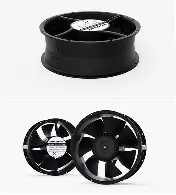
Will the ventilation resistance of the cooling fan increase as the fan undergoes prolonged use and ages over time?
I. The Relationship between Fan Aging and Ventilation Resistance
1). Definition of Fan Aging
Fan aging refers to the gradual degradation of various fan components (e.g., motor, bearings, blades, filters, etc.) over time due to prolonged operation, environmental influences, physical wear, and other factors. This process results in diminished fan efficiency and affects multiple performance aspects, including noise levels, vibration, airflow, and ventilation resistance.
2). Changes in Ventilation Resistance
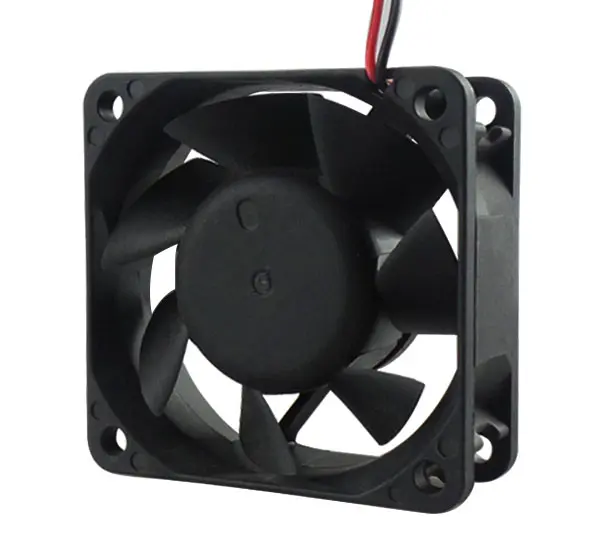
Ventilation resistance is defined as the opposing force encountered by airflow during fan operation due to interactions with fan components such as blades, filters, and ducts. An increase in ventilation resistance reduces airflow efficiency, necessitating higher power consumption to maintain a constant airflow rate. As fans age, issues like component wear, dust accumulation, and inadequate lubrication progressively exacerbate ventilation resistance.
2. Reasons for Increased Ventilation Resistance Due to Fan Aging
1). Blade Wear and Deformation
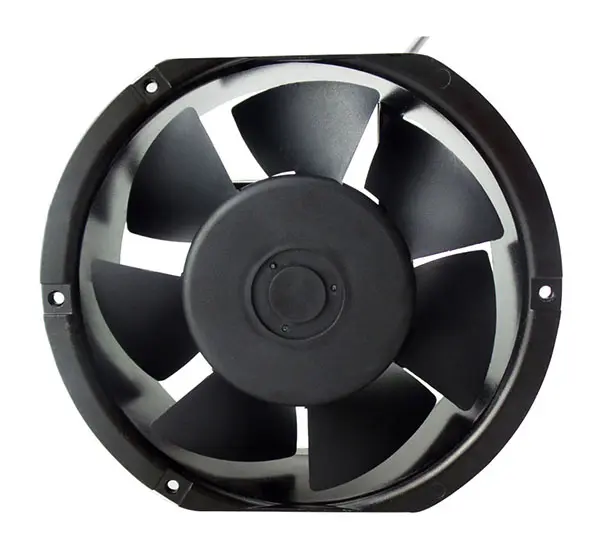
During prolonged operation, fan blades are subject to wear and deformation caused by airflow impact and pressure. The aerodynamic design of the blades gradually degrades, leading to a reduction in aerodynamic efficiency and an increase in ventilation resistance. Minor scratches or corrosion on the blades can also disrupt airflow uniformity, further contributing to increased resistance.
2). Bearing Wear
The bearing is a critical component that supports blade rotation. Long-term operation may result in bearing wear and aging. Worn bearings can cause imbalanced blade rotation, increased mechanical friction, and reduced operational efficiency of the fan. Instability in rotational speed leads to higher energy consumption, thereby increasing ventilation resistance.
3). Accumulation of Dust and Dirt
As usage time increases, dust, oil residues, and other impurities may accumulate within the fan and air ducts. These substances obstruct airflow, increasing ventilation resistance. Dust and impurities may also adhere to the blades or clog filter screens, further hindering airflow and exacerbating resistance.
4). Degradation of Lubricating Oil
Many fans rely on lubricating oil to minimize friction and wear. Over time, lubricating oil may degrade due to high temperatures and prolonged use, becoming viscous or losing its lubricating properties. This results in increased friction between the Fan Bearings and moving parts, causing a decrease in fan speed and enhancing ventilation resistance.
5). Decline in Motor Efficiency
After extended operation, the motor's efficiency may decline due to factors such as rising temperatures, worn brushes, or internal dust accumulation. Reduced motor efficiency leads to insufficient power output, which in turn increases the energy required for operation and contributes to higher ventilation resistance.
3. How to Mitigate the Increase in Ventilation Resistance Caused by Fan Aging? Although fan aging is an inevitable process, certain measures can effectively mitigate the increase in ventilation resistance, extend the service life of the fan, and ensure its efficient operation.
1). **Regular Maintenance and Cleaning**
Routine cleaning of fan blades, filters, and air ducts prevents the accumulation of dust, grease, and impurities, thereby ensuring smooth airflow. Maintaining cleanliness within the fan's internal components helps reduce ventilation resistance.
- Clean the Blades: Ensure that the blade surfaces are free from dust or debris to maintain aerodynamic efficiency.
- Clean the Filter Screen: Regularly clean or replace the filter screen to prevent clogging and ensure unobstructed airflow.
2). **Lubrication and Bearing Replacement**
Periodically inspect the lubrication condition of the fan bearings and replenish or replace the lubricating oil as necessary. Proper lubrication reduces bearing wear and friction, ensuring stable fan operation and minimizing ventilation resistance.
3). **Select High-Quality Fans**
When selecting a fan, prioritize products designed with high durability and extended service life. High-quality materials, precision-engineered bearings, and efficient motors can significantly delay fan aging and minimize performance degradation due to wear.
4). **Avoid High-Temperature Environments**
Minimize prolonged operation of fans in high-temperature environments, as elevated temperatures accelerate component degradation, particularly lubricant failure and motor inefficiency. Providing an optimal working environment enhances fan longevity.
5). Conduct regular inspections of the motor and other components.
Verify that the fan motor is functioning properly, assess brush wear, and identify any faults in the circuit. Promptly repair or replace damaged components to ensure the fan operates efficiently and prevent increased ventilation resistance caused by reduced motor efficiency.
4. Summary
The aging of fans can result in the performance degradation of multiple components, leading to an increase in ventilation resistance. Factors such as blade wear, bearing aging, dust accumulation, lubricating oil degradation, and motor efficiency decline contribute to higher ventilation resistance during the fan's aging process. This affects the fan's heat dissipation capability and energy efficiency. Through regular maintenance, cleaning, lubrication, and the selection of high-quality fans, users can mitigate the aging process, minimize the rise in ventilation resistance, and ensure the long-term efficient and stable operation of equipment.