
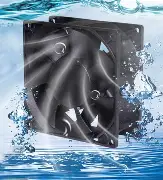
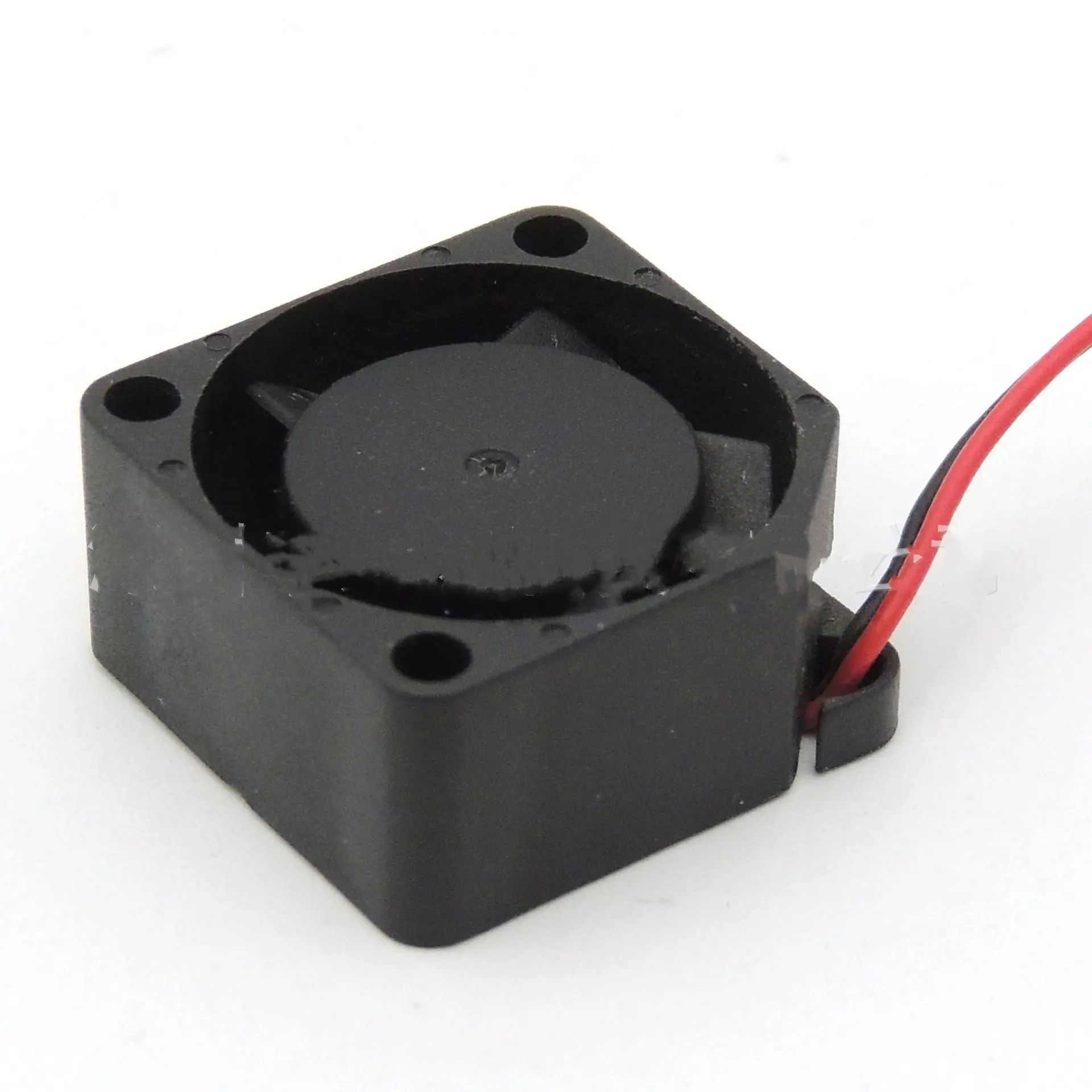
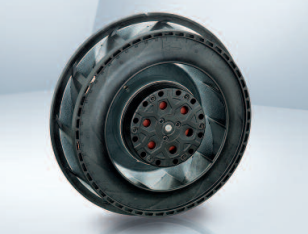

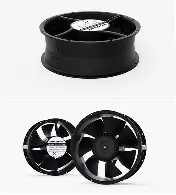
Why are cooling fans indispensable in medical equipment? Ensuring the lifeline remains stable during critical moments.
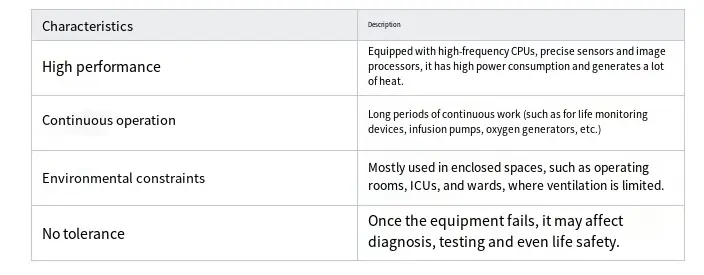
1. Why are medical devices particularly susceptible to heat?
Unlike conventional consumer electronics, medical devices exhibit the following distinctive characteristics:
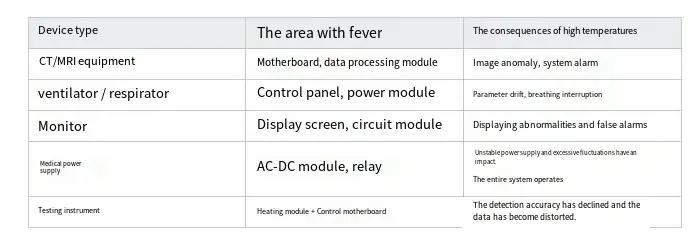
Common heating areas of medical equipment and their impacts:
A recent study reveals that for every 10°C increase in temperature, the failure rate of medical circuit boards escalates by approximately 20% to 30%.
2. Why are Cooling Fans the key to "stabilizing the lifeline"?
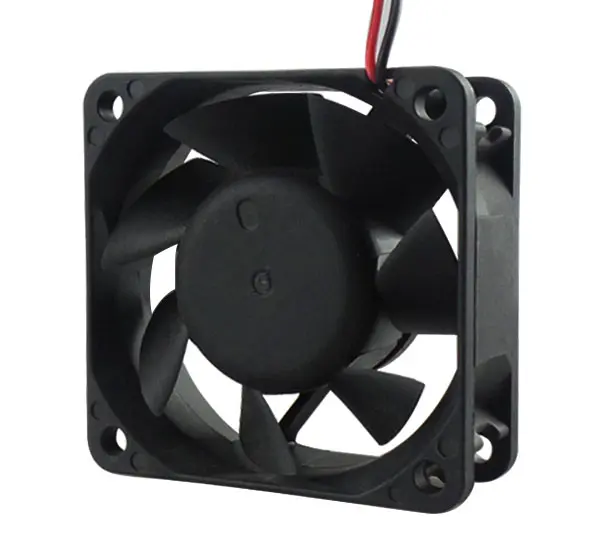
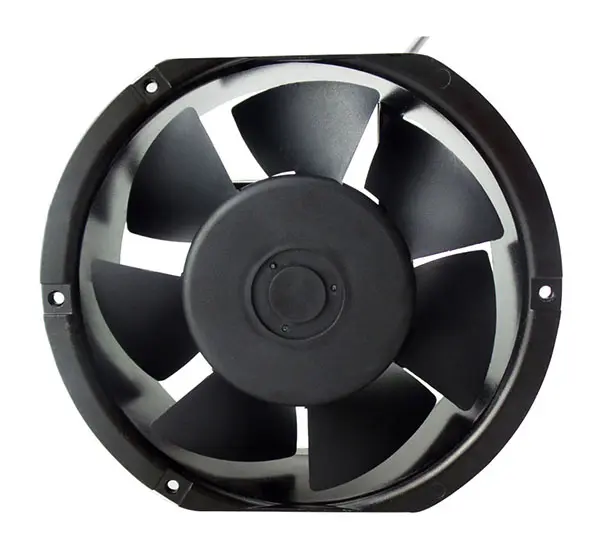
Among all thermal management solutions, active air cooling (fans) remains the preferred option for heat dissipation in medical equipment. Its advantages include:
✅ Efficiency ➤ Rapidly expelling hot air from within the device
✅ Precision ➤ Quick cooling of local hotspots
✅ Quietness ➤ Meeting the low-noise requirements of hospital environments
✅ Stability ➤ Supporting 24-hour continuous operation
Especially in critical equipment such as ventilators, monitors, and diagnostic devices, the operational status of the fan directly affects the overall performance of the machine.
3. What strict standards must medical equipment-specific fans meet?
The requirements for cooling fans in the medical industry are much higher than those for ordinary industrial fans, and factors such as noise, lifespan, and electromagnetic compatibility need to be comprehensively considered.
Common technical requirements:
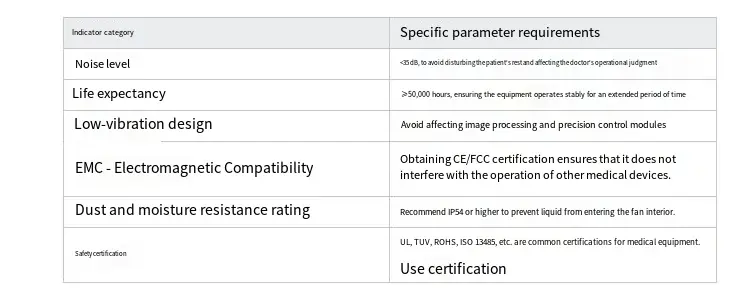
Only fans that meet medical-grade standards are worthy of being installed in equipment that serves as a "lifeline"!
4. Tips for Selecting Fans ✨
Looking to choose the right cooling fan for your medical equipment? Keep the following in mind:
Prioritize fans from brands that have obtained medical device certifications (such as UL/TUV/ISO 13485).
Clarify the operating environment of the equipment (temperature, humidity, dust, and whether it is exposed to disinfectant).
Calculate the air volume requirement based on the heat load to avoid "a small horse pulling a big cart".
The layout of fans and ventilation ports inside the equipment should be coordinated to form an effective air passage.
If the equipment is mobile or portable, choose ultra-thin and low-noise models.
Conclusion: Small fans, big responsibility, protecting more than just equipment ⚙️❤️
From ICU critical respiratory equipment to daily blood pressure monitors, every medical device bears a mission of life and death. Behind the stable, efficient, and safe operation of these devices lies a key supporter - high-quality cooling fans.
✅ Choose the right fan
✅ Reasonably layout ventilation paths
✅ Regularly maintain the fan's operating condition
This is not an "add-on" for equipment engineering, but a "lifeline" for ensuring medical quality.