

Which type of bearing is more suitable for high-load server environments?
Why are double ball bearings more suitable for high-load server environments?
1. Extended service life: Double ball bearings typically offer a service life ranging from 50,000 to 100,000 hours, significantly surpassing that of other bearing types. This ensures that in servers operating continuously over extended periods, Cooling Fans do not require frequent replacement, thereby substantially reducing both maintenance costs and downtime.
2. High load capacity: Due to the utilization of rolling friction, double ball bearings exhibit a low friction coefficient, enabling them to support higher loads effectively. This makes them ideal for meeting the heat dissipation requirements of high-speed servers.
3. Excellent sealing performance: Double ball bearings possess superior sealing capabilities, eliminating issues such as oil leakage. Even under demanding environmental conditions, they maintain stable performance without compromising heat dissipation efficiency due to lubricant loss.
4. Outstanding anti-aging properties: Double ball bearings are well-suited for fans with elevated rotational speeds and demonstrate exceptional resistance to aging, ensuring consistent and reliable long-term operation.
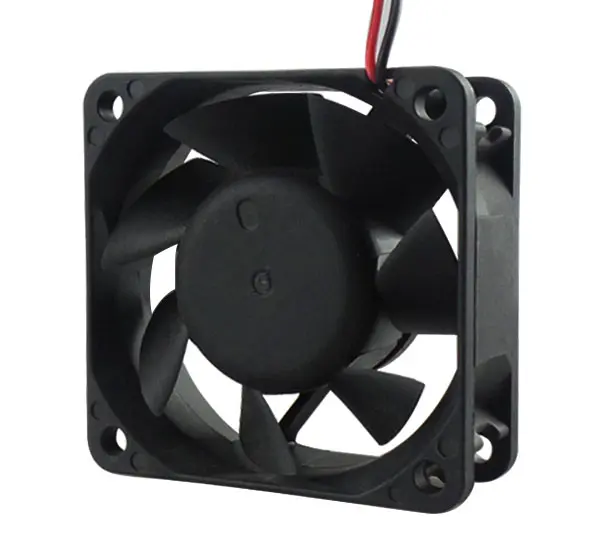
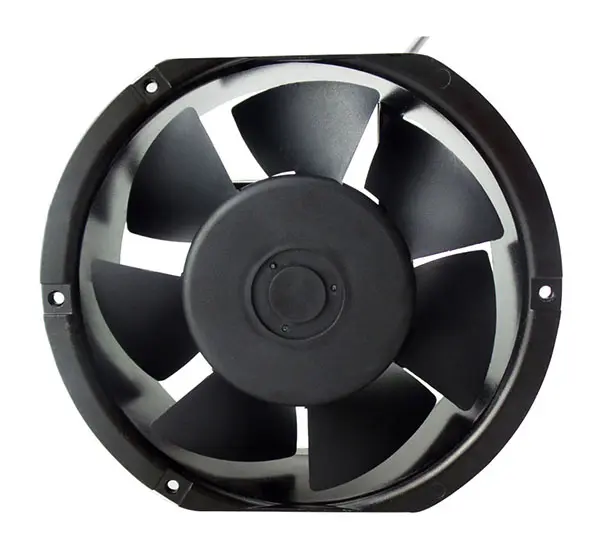
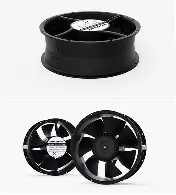
Shenzhen Fuqingda Electronic Technology Co., Ltd., as a professional manufacturer of cooling fans with over two decades of production experience, fully recognizes the advantages of double ball bearings in server cooling fans. The double ball bearing design is extensively utilized in our products provided for servers, monitors, and other devices requiring long-term continuous operation. This design not only improves the heat dissipation efficiency of the fan but also substantially extends its service life. Our cooling fan products, renowned for their exceptional performance and reliability, have become an ideal solution for server cooling systems. Additionally, our products support PWM speed regulation, enabling intelligent adjustment of rotational speed based on the server's workload and temperature changes to achieve optimal heat dissipation performance.