

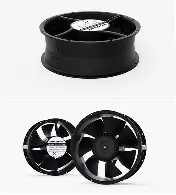
When the current size remains constant, is the maximum rotational speed of the cooling fan also maintained at a constant level?
Other factors affecting the rotational speed of the Cooling Fan include voltage fluctuations, design characteristics ofthe cooling fan, working environment conditions, motor performance limitations, and load variations. Specifically:
- Voltage fluctuations can influence the rotational speed of the cooling fan since the motor's speed is dependent not only on current but also on voltage.
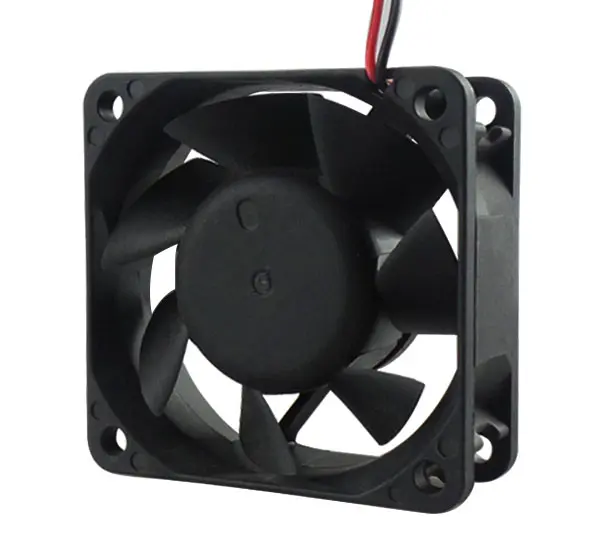
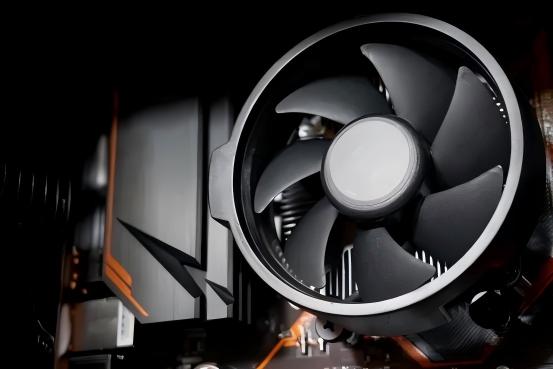
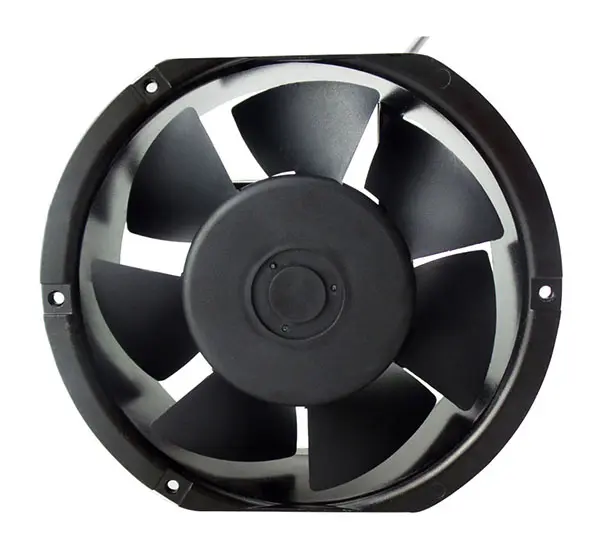
- The design of the cooling fan, including parameters such as the number of blades, blade shape, inclination angle, and diameter, significantly impacts its rotational speed and overall performance. Even under the same current, fans with different designs may exhibit varying maximum rotational speeds.
- The working environment, encompassing factors like temperature, humidity, and air density, plays a crucial role in determining the fan's operational efficiency. For example, in high-temperature conditions, additional energy might be required to maintain the desired rotational speed due to potential involvement of the fan's temperature control mechanism. However, this does not necessarily imply that the speed will decrease when the current remains constant.
- Motor performance imposes inherent limitations. Despite sufficient current supply, the motor's rotational speed cannot increase indefinitely due to constraints such as internal resistance, air resistance, and magnetic field strength. Once the motor reaches a certain rotational speed, further increasing the current could lead to overheating, damage, or reduced efficiency.
- In practical applications, the load imposed on the cooling fan also affects its rotational speed. To maintain a consistent airflow, an increase in load may necessitate a higher rotational speed. Nevertheless, if the current magnitude remains constant, an increased load might restrict the fan's ability to achieve higher rotational speeds.
Therefore, when the current magnitude remains constant, the maximum rotational speed of the cooling fan is influenced by a combination of factors, including voltage, fan design, working environment, motor performance, and load. Consequently, it is not appropriate to assume that the maximum rotational speed of the cooling fan will remain constant under conditions of constant current.