



What is the significance of the frequency in fan PWM speed regulation?
1. Fundamental Principle of PWM Modulation
Pulse Width Modulation (PWM) is a technique that employs pulse signals to regulate the rotational speed of Fans.
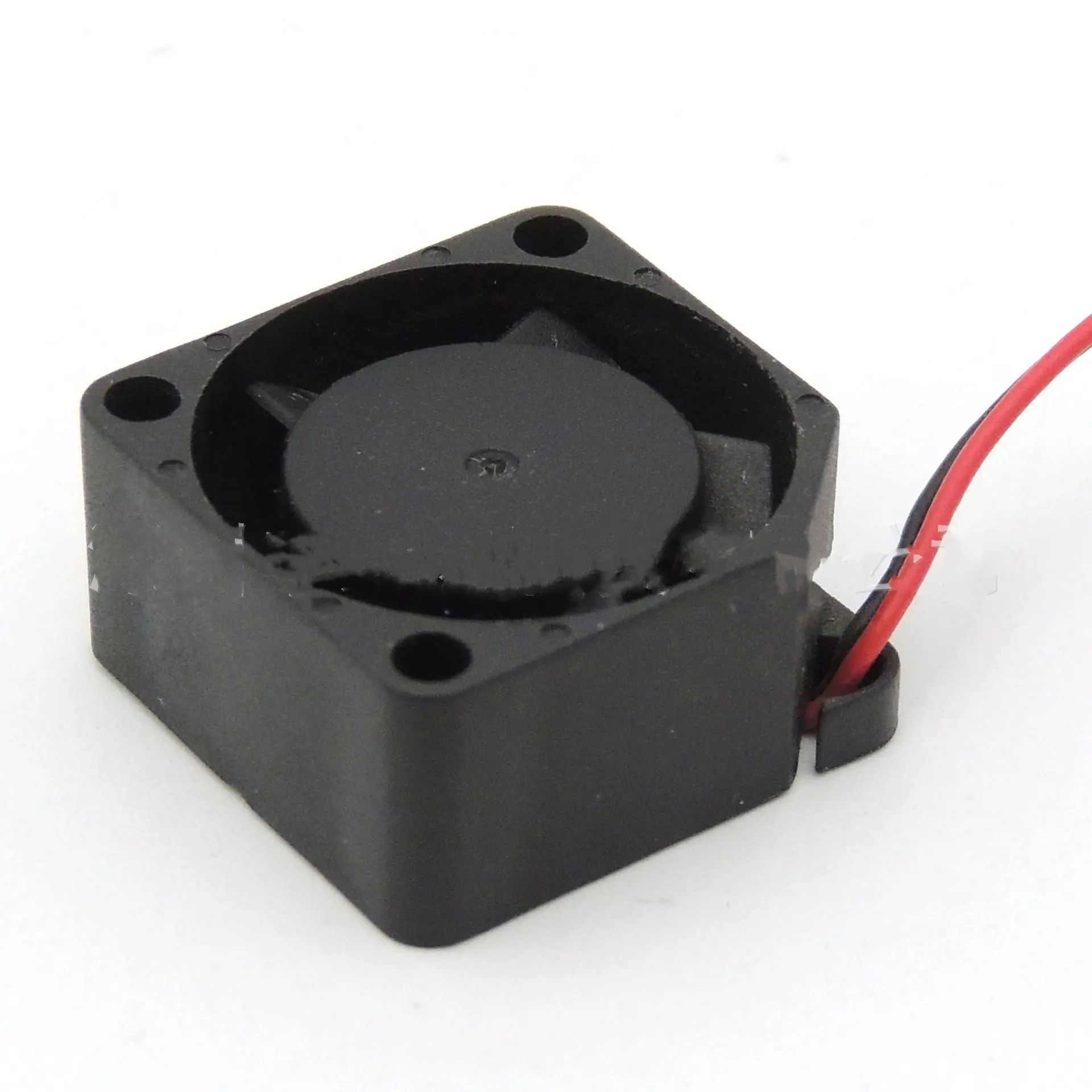
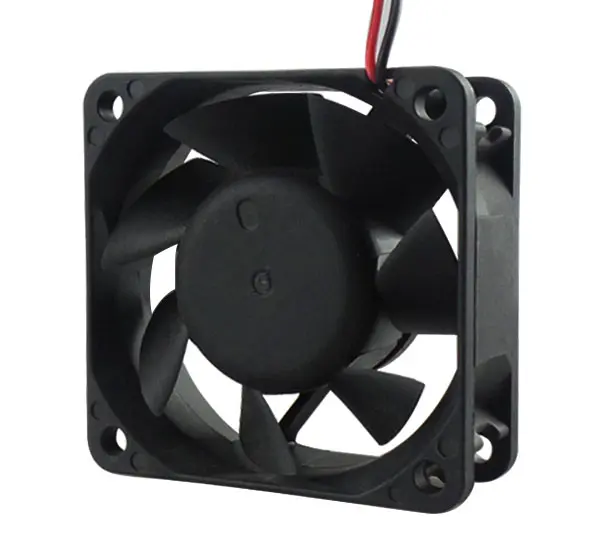
A typical PWM fan features four wires:
red (power line) for power supply (e.g., 5V, 12V, 24V, 48V);
black wire as the ground;
yellow wire (FG speed signal) indicating the current rotational speed;
blue wire (PWM signal) used to control the fan's speed.
The PWM speed control mechanism adjusts the fan speed by modifying the duty cycle of the PWM signal, which represents the ratio of the pulse signal's high time to the entire cycle.
For instance,
100% duty cycle corresponds to the fan running at full speed,
50% duty cycle means the fan operates at half speed, and
0% duty cycle results in the fan stopping.
2. Significance of PWM Speed Regulation Frequency
The PWM speed regulation frequency denotes the switching frequency of the PWM signal, i.e., the number of times the pulse signal switches per unit time, typically measured in Hertz (Hz). For example, a PWM speed regulation frequency of 20kHz indicates that the PWM signal switches 20,000 times per second.
Common PWM fan speed regulation frequency ranges are as follows:
- Low frequency: 1kHz~5kHz (used in some older fans)
- Standard frequency: 20kHz~30kHz (employed by most high-performance fans)
- High frequency: >30kHz (utilized in certain silent or specialized fans)