


What is the impact of air volume quantification on the cooling performance of equipment?
I. Definition and Quantification of Air Volume
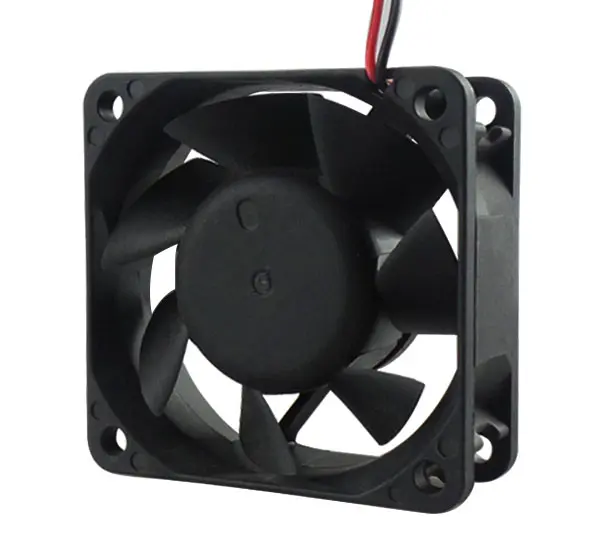
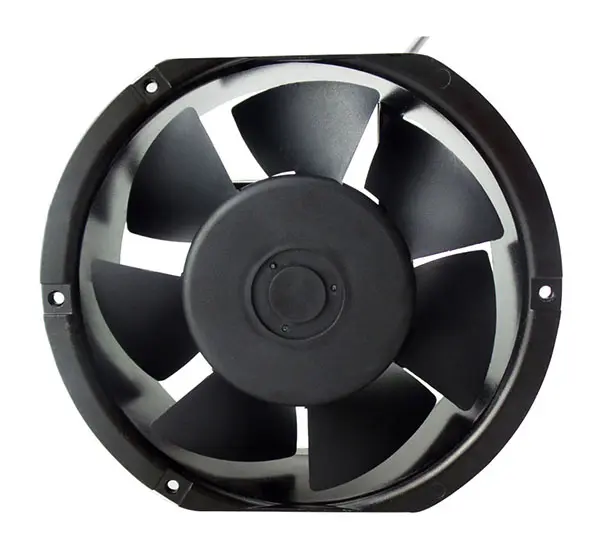
Air volume is defined as the quantity of air that passes through a Fan per unit of time, typically measured in cubic meters per hour (m³/h) or cubic feet per minute (CFM). The quantification of air volume provides engineers and technicians with precise data to evaluate fan performance, ensuring effective heat removal and preventing equipment failure caused by overheating.
2. The Influence of Air Volume on Equipment Cooling Performance
1). Relationship between Air Volume and Heat Dissipation Efficiency: Air volume is intrinsically linked to the heat dissipation efficiency of equipment. A higher air volume enables more heat to be removed within a given time frame, thereby enhancing the overall cooling efficiency. For high-power and high-density equipment, increasing air volume is critical to maintaining optimal operating temperatures. Insufficient air volume can lead to elevated equipment temperatures, resulting in overheating and negatively impacting stability and service life.
2). Balancing Air Volume and Cooling Effectiveness: While a higher air volume facilitates greater heat removal, excessively strong airflow may cause uneven distribution and increase noise and vibration levels. In the design of thermal management systems, air volume must be optimized in conjunction with other factors such as heat sink design and cooling methodology. A well-balanced air volume enhances cooling efficiency while minimizing unnecessary energy consumption.
3). Uniformity of Air Volume and Temperature Distribution: By accurately quantifying air volume, engineers can design more efficient air circulation pathways, ensuring uniform airflow distribution and mitigating localized overheating issues. This is particularly important for precision equipment, where consistent temperature distribution is essential for long-term stable operation.
3. Technical Application of Numerical Air Volume
1). Coordination of Air Volume and Pressure: Air volume is intrinsically linked to airflow pressure. To effectively promote airflow, fans must provide adequate air volume while maintaining appropriate airflow pressure. In certain equipment, the air volume and pressure must be precisely adjusted based on the heat dissipation requirements of the device. By quantifying air volume, technicians can ensure that fans deliver optimal air flow and pressure during the design of cooling systems.
2). Simulation and Optimization of Air Volume Quantification: Modern Computational Fluid Dynamics (CFD) technology enables the simulation and optimization of air volume. Through numerical simulations, engineers can predict the heat dissipation performance of equipment at the design stage and adjust the selection and placement of fans accordingly. This not only enhances the precision of cooling system design but also helps engineers avoid suboptimal heat dissipation caused by mismatched air volumes.
3). Regulation and Intelligent Control of Air Volume: With advancements in intelligent control technology, fan air volume can now be automatically adjusted according to the actual temperature of the equipment. Adaptive air volume control reduces fan speed under low equipment load conditions, thereby minimizing noise and energy consumption. Under high load conditions, fans automatically increase air volume to meet heightened heat dissipation demands. The digitalization of air volume facilitates more precise intelligent control, improving both the energy efficiency and service life of equipment.
4. Factors to Consider When Selecting a Fan for Air Volume
1). The thermal power of the equipment: Each type of equipment generates a specific amount of heat during operation. The thermal power of the equipment (measured in watts) directly influences the required air volume. Higher thermal power necessitates a greater air volume. It is essential to select an appropriate fan air volume by considering both the thermal power and the working environment of the equipment.
2). Radiator design: The design of the radiator significantly impacts the selection of the fan's air volume. Parameters such as the surface area of the radiator and the density of the heat dissipation fins influence the air volume requirements. A well-designed radiator can exchange heat with the air more efficiently, meaning that the fan's air volume does not necessarily need to be excessively large; instead, compatibility with the radiator is key.
3). Noise and lifespan of the fan: Selecting a fan with an appropriate air volume involves not only ensuring effective heat dissipation but also considering noise levels and lifespan. Fans with excessive air volume tend to generate higher noise levels, while insufficient air volume may lead to overheating of the equipment. By carefully selecting the air volume based on numerical analysis, it is possible to balance the fan's noise and lifespan while maintaining optimal heat dissipation performance.
5. Conclusion
The quantification of air volume significantly influences the cooling performance of equipment. It not only enhances the precision and scientific rigor of the equipment's heat dissipation system design but also ensures the stability and prolongs the service life of the equipment. By comprehensively analyzing the impact of air volume on cooling performance and aligning it with specific equipment requirements, we can more effectively select suitable fans and optimize heat dissipation solutions using numerical data. As technology continues to advance, the role of quantified air volume in equipment cooling will become increasingly critical, providing more efficient and precise heat dissipation strategies.