

What factors should be considered when choosing a cooling fan?
1. Cooling Fan Dimensions:
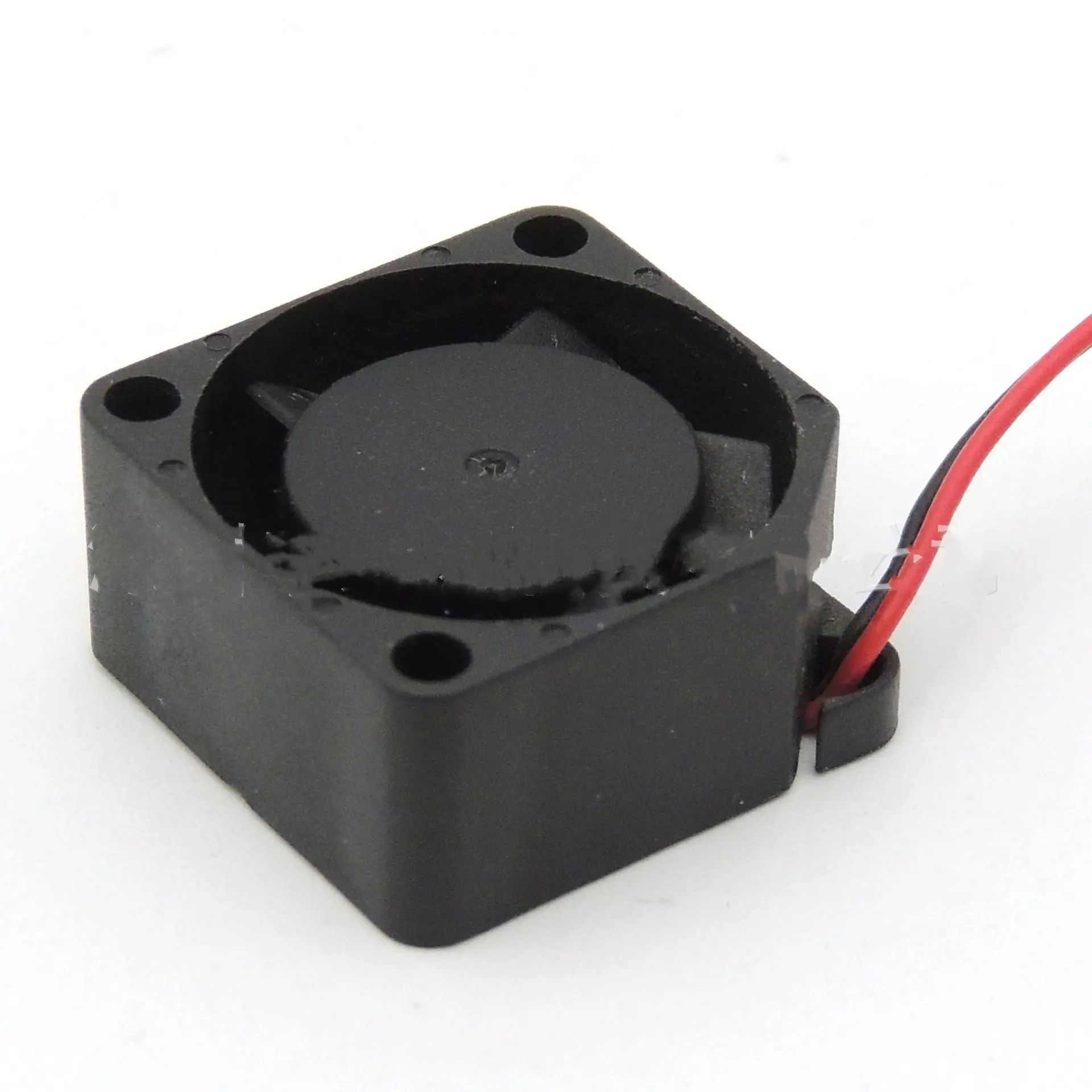
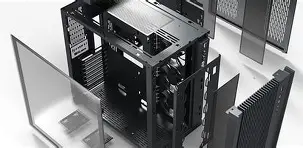
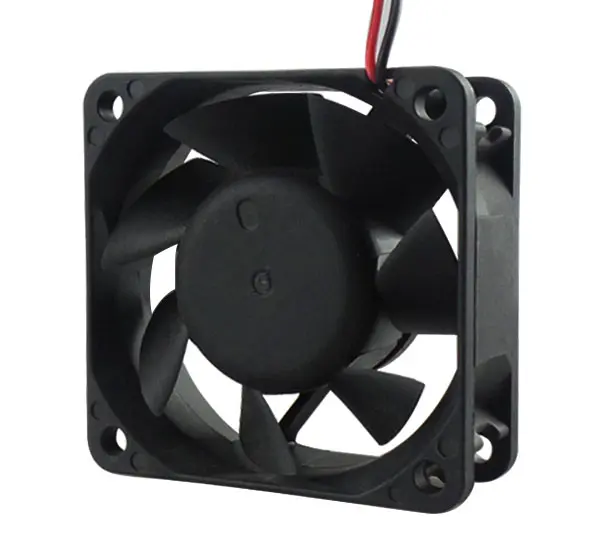
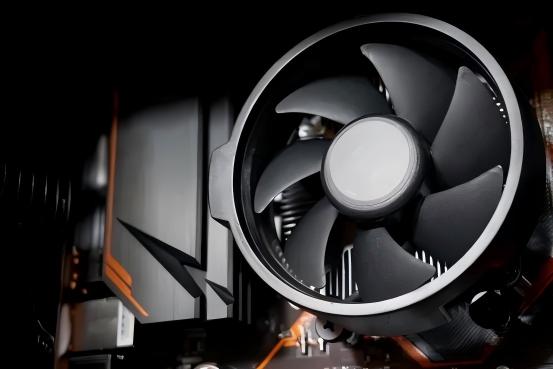
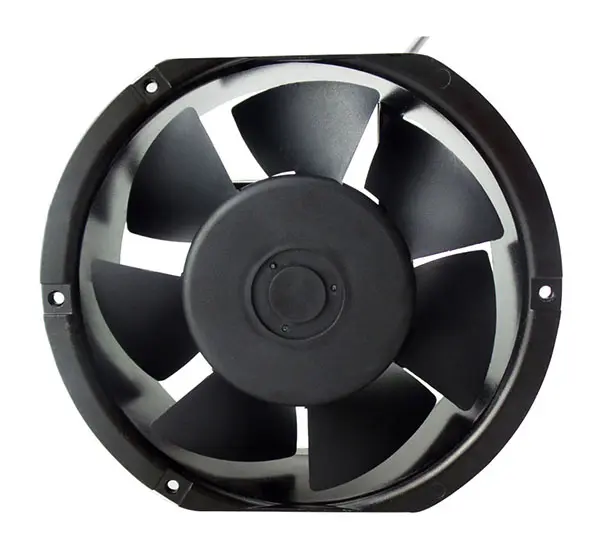
The selection of fan size must be based on the equipment’s overall structural design and available installation space. Dimensional specifications should be determined prior to other technical parameters, as they serve as a foundational constraint for subsequent design choices. Smaller fans typically require higher rotational speeds to achieve adequate thermal performance, which may lead to increased noise and vibration levels.
2. Bearing Types for Cooling Fans:
Common bearing types include double ball bearings, fluid dynamic (hydrostatic) bearings, and sleeve (oil-filled) bearings. These differ significantly in service life and acoustic performance. Double ball bearings generally offer the longest operational life and lowest noise output, followed by fluid dynamic bearings, with sleeve bearings exhibiting relatively shorter lifespans and higher noise levels. In applications demanding high reliability and low acoustic emissions, high-durability bearing solutions are recommended.
3. Noise Level of Cooling Fans:
Lower noise levels generally contribute to improved user experience and enhanced product competitiveness in the market. However, noise is influenced by multiple interrelated factors, including airflow rate, rotational speed, bearing type, and aerodynamic design, making isolated optimization challenging. Therefore, fan selection should be guided by specific operational conditions, balancing effective heat dissipation with acceptable acoustic performance.
4. Airflow Capacity of Cooling Fans:
Airflow is a critical metric for assessing a fan’s cooling effectiveness. Higher airflow enables greater convective heat transfer per unit time, thereby improving thermal management. However, increased airflow is often accompanied by elevated noise levels, higher power consumption, and greater mechanical stress, which may accelerate wear and compromise long-term reliability. Consequently, airflow requirements should be carefully matched to actual thermal loads and spatial limitations to achieve an optimal balance between performance, efficiency, and durability.
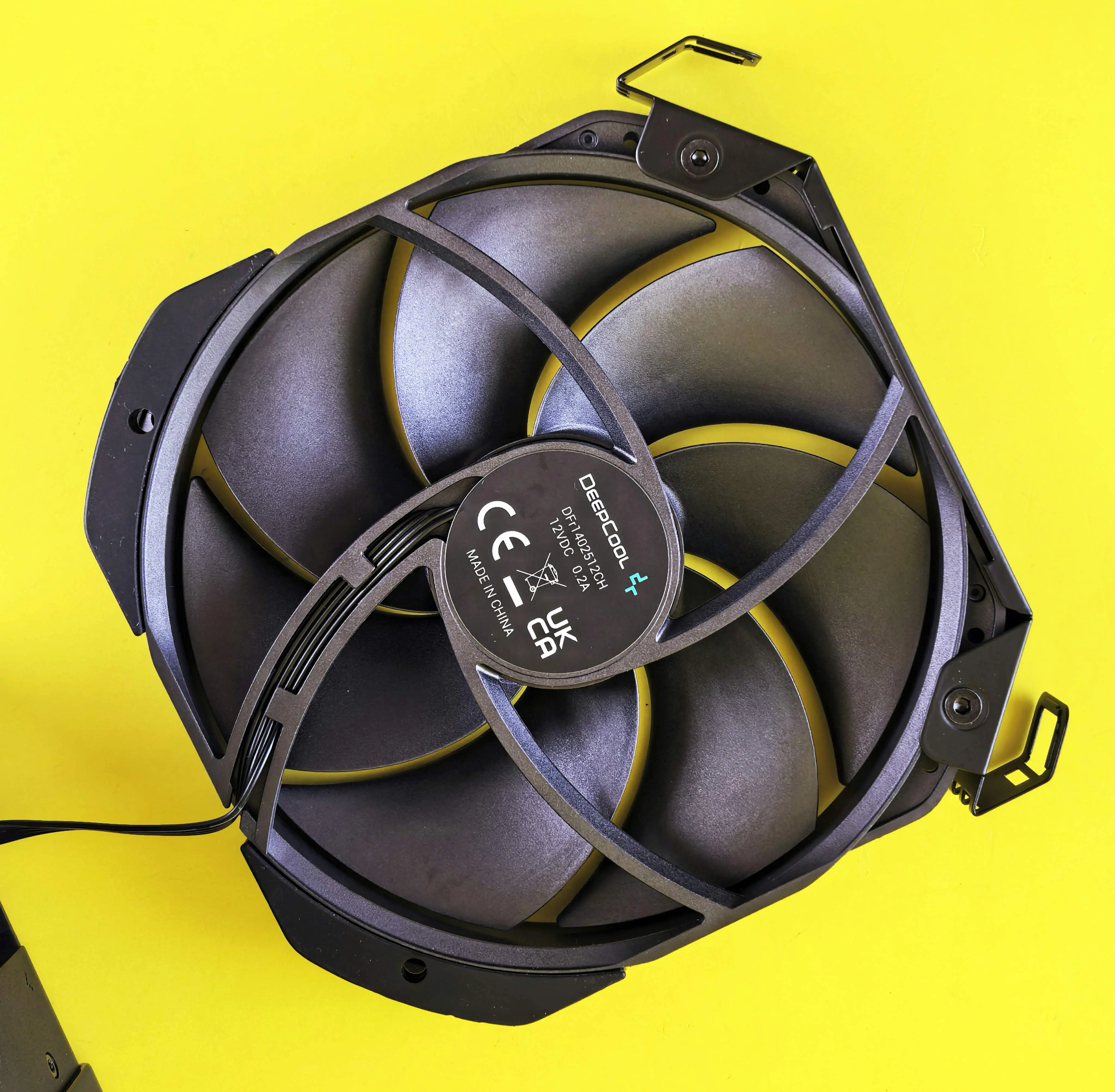
5. Signal Line Selection for Cooling Fans:
The choice of signal lines is critical for effective operational monitoring and intelligent control of cooling fans. Proper selection enhances system reliability, maintainability, and overall energy efficiency.
a. RD Alarm Signal (Rotation Detection): This signal outputs a logic-level alert when the fan ceases rotation or experiences an unexpected shutdown. It enables early fault detection and facilitates prompt maintenance intervention, thereby improving system safety and serviceability.
b. FG Tachometer Signal (Frequency Generator): The FG signal provides a pulse output proportional to the fan’s rotational speed, allowing real-time monitoring of operational status. Widely employed in closed-loop control and diagnostic systems, it ensures that cooling performance aligns with design specifications and supports proactive failure prevention.
c. PWM Speed Control Signal (Pulse Width Modulation): This signal allows precise, dynamic adjustment of fan speed in response to external control inputs. By modulating duty cycle based on thermal load, ambient conditions, or seasonal variations, PWM control optimizes cooling performance while minimizing power consumption and acoustic noise, contributing to improved energy efficiency.
d. Temperature-Controlled Speed Regulation: This function enables automatic adjustment of fan speed in accordance with ambient temperature readings. At lower temperatures, the fan operates at reduced speed to decrease noise emissions and mechanical wear; as temperature rises, the speed increases accordingly to maintain effective heat dissipation. This adaptive control mechanism ensures optimal balance between thermal performance, operational stability, and longevity.
Thank you for your attention. Shenzhen Fuqingda Electronic Technology Co., Ltd. is committed to delivering comprehensive cooling fan selection services, advanced thermal process technology insights, and integrated cooling system solutions. Should you have any related requirements, please do not hesitate to contact us.