

What are the methods to decrease the ventilation resistance of equipment for enhancing heat dissipation performance?
Optimizing the ventilation resistance of the equipment can significantly enhance its heat dissipation performance. Below are several common optimization strategies:
(1) Optimize air duct design
The air duct is a critical factor influencing ventilation resistance. By refining the air duct design, airflow resistance can be minimized, thereby improving heat dissipation efficiency. Optimized duct design involves:
• Reducing bends and turns: Curves and sharp angles in the air duct increase airflow resistance. Maintaining a straight path reduces unnecessary drag.
• Enhancing the smoothness of the inner wall: A rough inner surface increases frictional resistance. Utilizing smooth materials or coatings can effectively reduce wind resistance.
(2) Rational arrangement of heat sinks and components
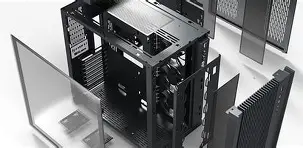
The layout of radiators and internal components directly impacts ventilation resistance. Proper arrangement ensures unobstructed airflow and enhances heat dissipation efficiency.
• Evenly distributed radiators: Radiators should avoid overly concentrated layouts and should be evenly dispersed to ensure uniform airflow distribution.
• Preventing component interference: Internal components should not obstruct airflow paths to ensure smooth circulation.
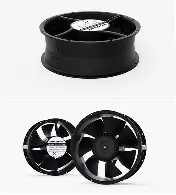
(3) Employ high-efficiency Fans
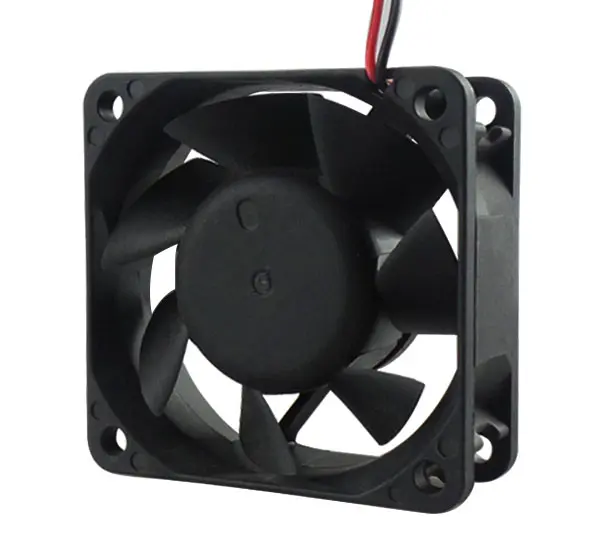
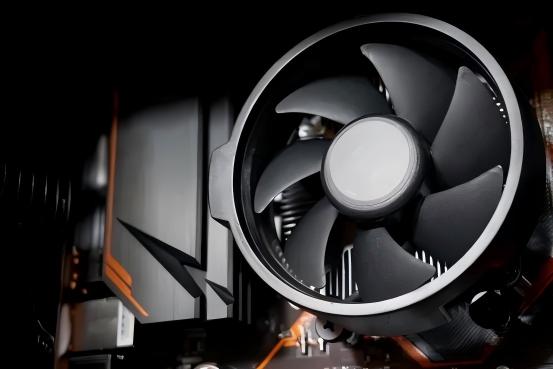
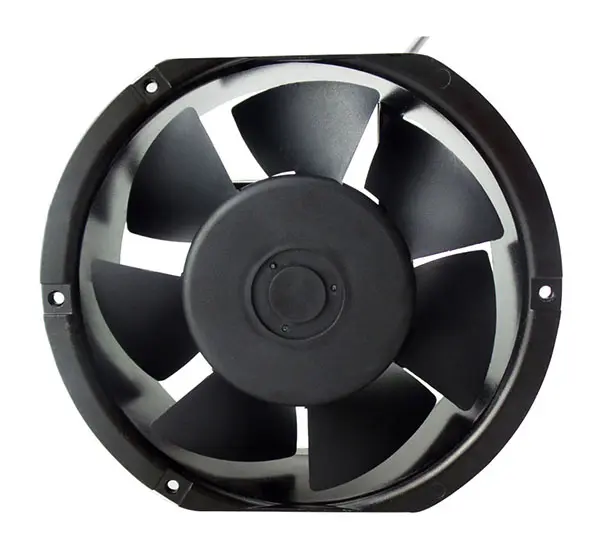
Selecting appropriate fans ensures that the device maintains optimal heat dissipation performance even under high ventilation resistance. High-efficiency fans feature high static pressure and moderate airflow, which effectively overcome internal ventilation resistance.
(4) Regular cleaning of the equipment interior
Accumulated dust or debris inside the equipment can increase ventilation resistance and degrade fan efficiency. Periodic cleaning of fans, radiators, and air ducts ensures reliable heat dissipation.
5. Comprehensive Consideration of Ventilation Resistance and Cooling System Optimization
The optimization of equipment ventilation resistance does not depend solely on a single design factor but requires a multifaceted approach. Below are the key considerations that influence the optimization of the heat dissipation system:
- Fan Selection: Based on the magnitude of ventilation resistance, select an appropriate fan with suitable airflow and static pressure characteristics.
- Radiator Layout: Arrange radiators and components logically to minimize airflow obstructions.
- Air Duct Design: Optimize the configuration and dimensions of air ducts to ensure unimpeded airflow.
- Environmental Factors: Account for environmental variables such as ambient temperature and humidity, which can impact ventilation resistance.