
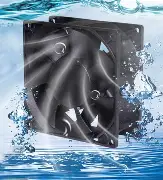


What are the methods for assessing the waterproof performance of a waterproof cooling fan(2)?
3. Material and Design
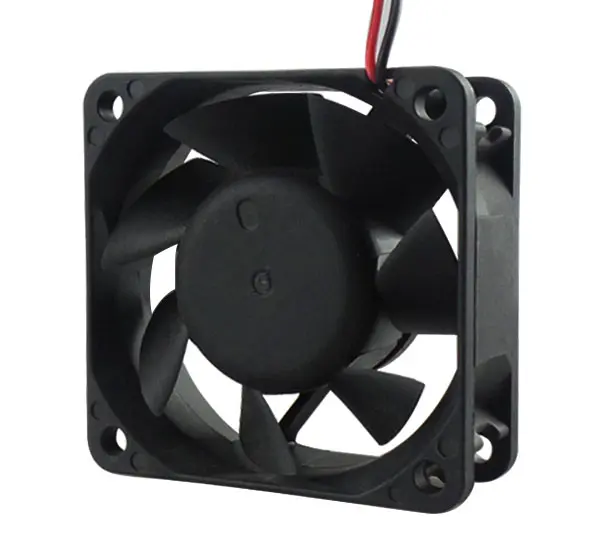
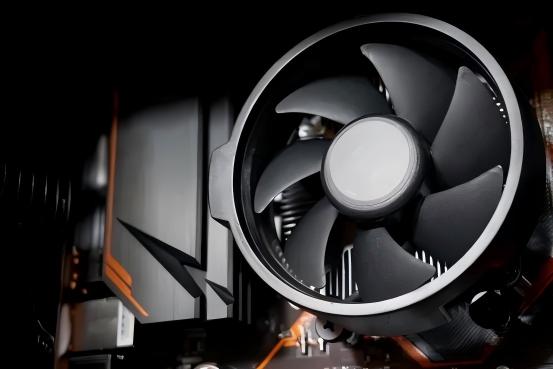
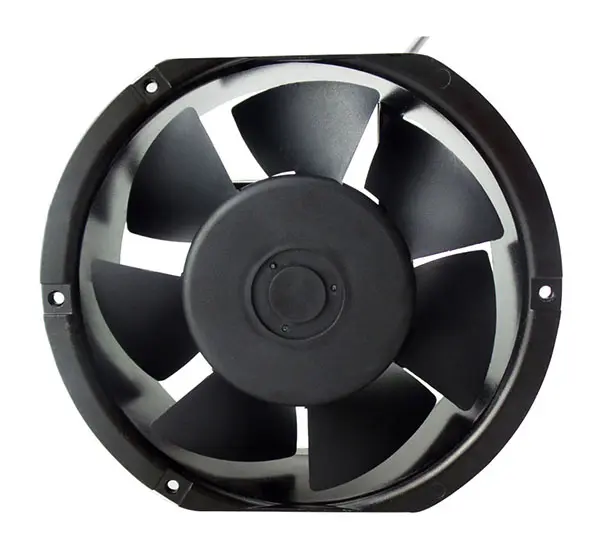
The material and design of the Fan play a critical role in determining its water resistance. It is essential to select a fan housing with a corrosion-resistant and waterproof coating. Common materials used for waterproof fan housings include:
- Aluminum Alloy: Known for excellent corrosion resistance and lightweight properties, making it suitable for various environments.
- Stainless Steel: Offers superior corrosion resistance, ideal for demanding environments such as marine or chemical industries.
- Plastic Shell: Suitable for mildly humid environments, cost-effective but with limited waterproof capabilities.
In addition, the design of the fan, including sealing mechanisms and the use of gaskets or O-rings, can significantly enhance its ability to prevent water ingress.
4. Circuit Protection
Waterproof fans must not only prevent external water intrusion but also ensure the integrity of the internal circuit system. The circuit protection design should encompass the following elements:
- Sealed Circuit Boards: Prevents exposure to water vapor or droplets, safeguarding the electrical components.
- Waterproof Electrical Connectors: Ensures all electrical connections are fully sealed, preventing moisture ingress that could lead to short circuits or equipment failure.
5. Ambient Humidity and Water Exposure
When evaluating a waterproof Cooling Fan, it is crucial to consider the ambient humidity and type of water exposure in the intended environment. Environmental water sources may vary in characteristics:
- Rainwater: Common in outdoor settings, often containing impurities, requiring robust fan housing materials.
- Water Spraying: Such as during cleaning processes, necessitating strong resistance to water splashes.
- Water Immersion: For underwater applications, fans must be capable of withstanding specific depths and pressures (e.g., IP67/IP68 ratings).
A Practical Approach to Evaluating Water Resistance
1. Examine the Product Label and Manual
Carefully review the product label and technical specifications of the fan to ensure it aligns with your requirements. Pay particular attention to the water resistance rating (IP level) and whether it has undergone specialized waterproof certification testing.
2. Inquire About Manufacturer Testing Standards
Consult the manufacturer or supplier regarding the specific waterproof testing standards for the fan. Verify if the fan has obtained relevant waterproof certifications and confirm the detailed test results.
3. Conduct Practical Testing
Prior to purchase, if feasible, conduct practical waterproof tests. For instance, expose the fan to a stream of water to assess whether water penetrates its internal components, or submerge the fan in water to determine its operational integrity under such conditions.
4. Analyze Environmental Adaptability
Assess the environmental conditions where the fan will be utilized. If the ambient humidity is high, prioritize selecting a fan with enhanced waterproof capabilities. If the fan is likely to encounter strong water currents or splashing, opt for a model with a higher IP rating.