

What are the key distinctions between air cooling and convection cooling?
The primary distinction between air cooling and convection cooling lies in the heat dissipation medium and efficiency under varying load conditions.
In air cooling, air serves as the sole heat dissipation medium, whereas convection cooling can utilize either air or liquid (such as water).
Regarding heat dissipation efficiency, air cooling demonstrates high performance under low-to-medium loads but may become less effective under high loads.
In contrast, convection cooling typically provides superior heat dissipation efficiency and is well-suited for high-load scenarios. With respect to noise levels, air cooling may produce noticeable Fan noise under high loads, while convection cooling tends to operate more quietly, particularly when liquid cooling is employed.
System Complexity:
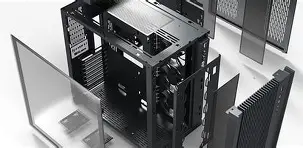
Air-cooled heat dissipation involves a relatively simple system, primarily consisting of fans and heat sinks. Convective heat dissipation, on the other hand, may involve a more complex system, particularly when liquid cooling systems are incorporated.
Application Scenarios:
Air-cooled heat dissipation is suitable for most everyday applications and medium-to-low load heat dissipation requirements. Convective cooling is ideal for high-performance computing and industrial applications that demand high heat dissipation efficiency.
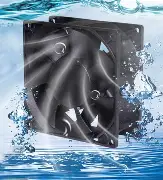
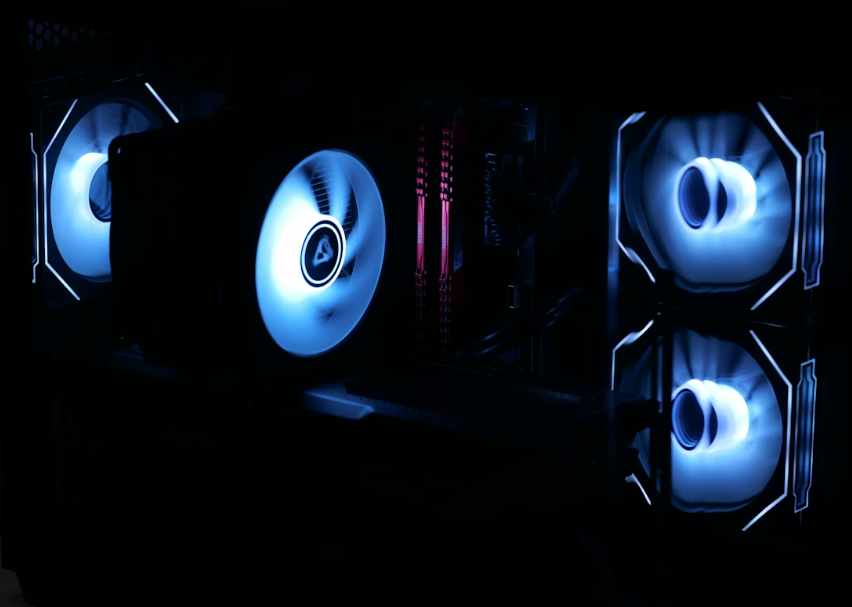
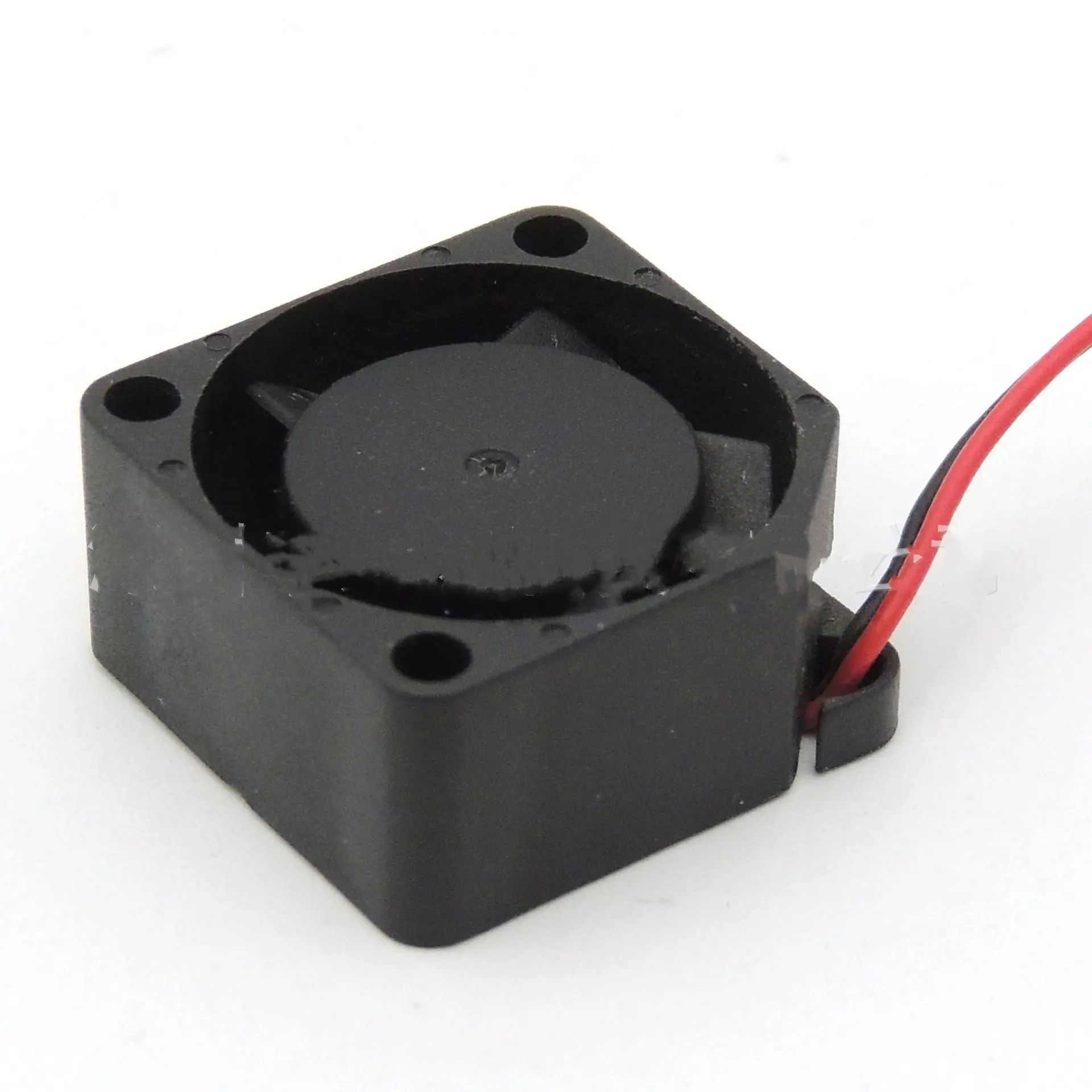
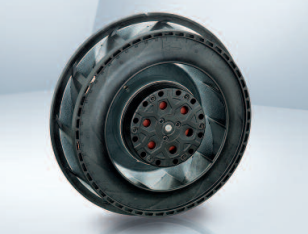
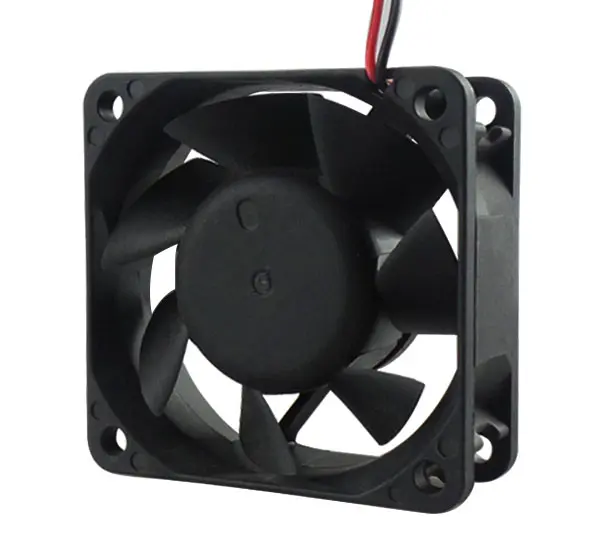
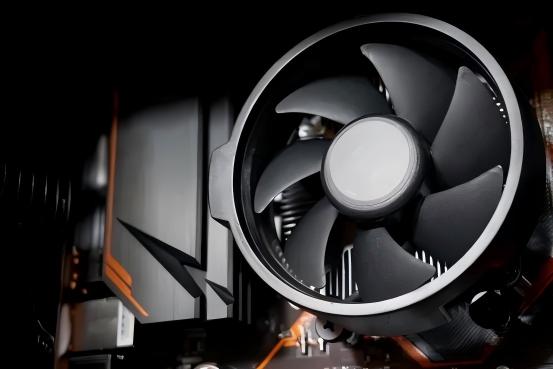
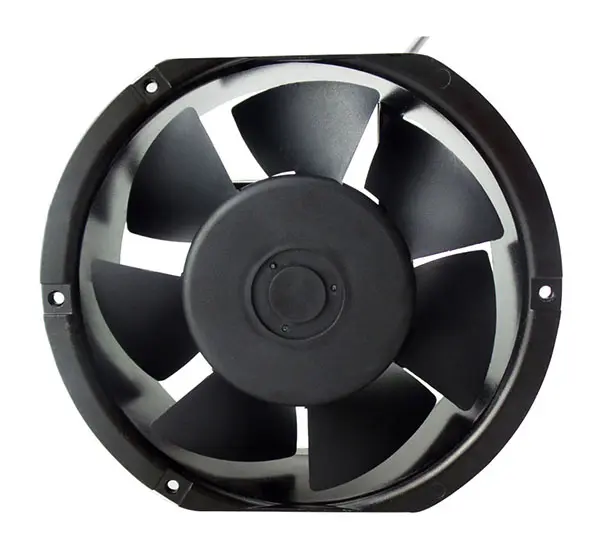
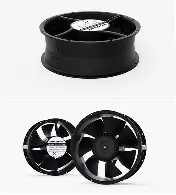
Cooling fanstypically constitute an essential component of air-cooling systems. In an air-cooled heat dissipation system, the airflow generated by fans is utilized to remove heat, thereby decreasing the temperature of electronic devices. The primary function of a Cooling Fan is to enhance airflow, thus enabling the heat sink to dissipate heat with greater efficiency.