



What are the distinctions among 2-pin, 3-pin, and 4-pin configurations in cooling fans?
A,2-PIN Cooling Fan
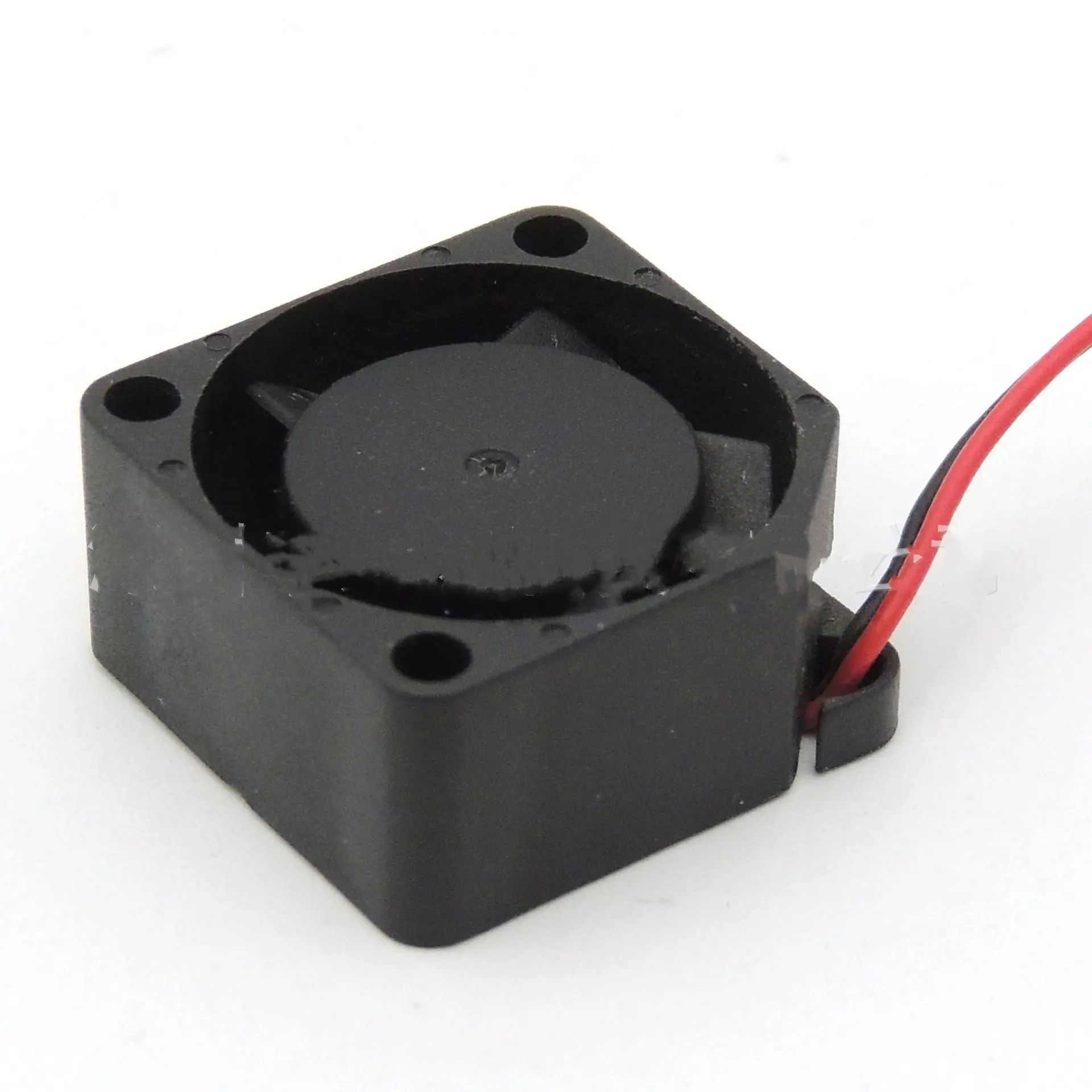
The 2-PIN cooling fan represents the most fundamental type of cooling fan. It consists of only two pins: the positive terminal (typically indicated by a red wire) and the negative terminal (typically indicated by a black wire). Due to its simple construction and low manufacturing cost, this type of fan is extensively utilized in scenarios where heat dissipation requirements are relatively modest.
**Features:**
1. Contains only the positive and negative power supply terminals, and does not support direct speed control or measurement. Speed regulation is primarily achieved by adjusting the power supply voltage, though this method lacks precision and may be subject to certain limitations.
**Common Application Scenarios:**
1. Heat dissipation for motherboard chips, chassis cooling, and other situations with low thermal management demands.
2. Devices with relatively low power consumption, such as certain low-power embedded systems.
B, 3PIN Cooling Fan
The 3PIN cooling fan incorporates a speed measurement line (commonly yellow) into the standard 2PIN configuration. This additional line is referred to as the speed feedback line (FG) or signal alarm line (RD). It enables the transmission of signals to the motherboard, providing information on the current rotational speed and operational status of the cooling fan.
Features:
① Includes a positive power supply line, ground wire, and speed measurement line, enabling real-time monitoring of fan speed. Some 3PIN fans allow for speed adjustment via the motherboard, though this functionality is not universally available across all 3PIN fans.
② Certain 3PIN fans also feature an alarm function (RD), which outputs a high-level alarm signal when the fan rotor becomes obstructed.
Common Application Scenarios:
① Ideal for low-power CPUs or other electronic devices that require heat dissipation but consume minimal power. The heat dissipation performance of a 3PIN fan surpasses that of a 2PIN fan due to the ability to monitor fan speed in real time through the speed measurement line, thereby ensuring optimal cooling efficiency.
C, 4-Pin Cooling Fan
The 4-pin cooling fan incorporates a PWM (Pulse Width Modulation) speed control signal line (typically blue) in addition to the standard 3-pin configuration. This enables precise fan speed regulation using PWM technology.
Features:
1. Includes power supply positive terminal, negative terminal, tachometer signal line, and PWM speed control signal line.
2. The PWM speed control technology adjusts the fan speed by modulating the duty cycle of the input voltage, thereby ensuring accurate thermal management performance.
Operation Principle:
The CPU or other electronic components generate a PWM signal (adjustable duty cycle waveform) to regulate the fan speed. When the PWM signal duty cycle is low, the fan operates at a slower speed; conversely, when the duty cycle is high, the fan operates at a higher speed.
Common Application Scenarios:
This type of fan is ideal for applications requiring high thermal dissipation efficiency, such as high-performance CPUs and GPUs. It allows real-time adjustment of fan speed based on the temperature of the CPU or other electronic devices, effectively controlling temperature while minimizing noise.
The 2-pin, 3-pin, and 4-pin cooling fans each possess distinct characteristics and are suited to specific application scenarios. When making a selection, it is essential to conduct a comprehensive evaluation based on actual requirements to ensure the stable operation and optimal thermal dissipation performance of the equipment.