

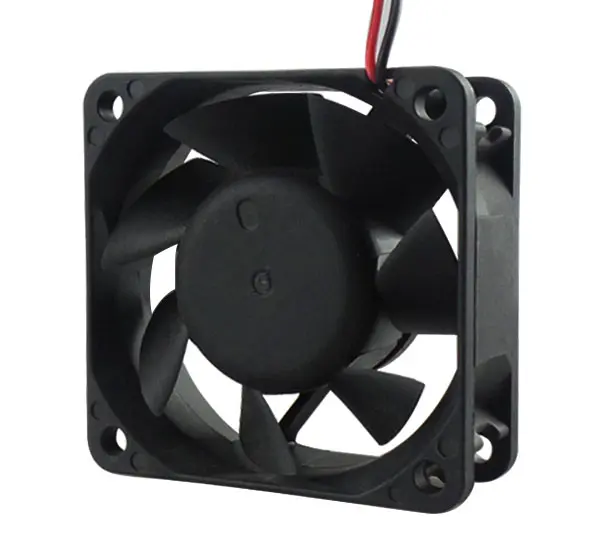

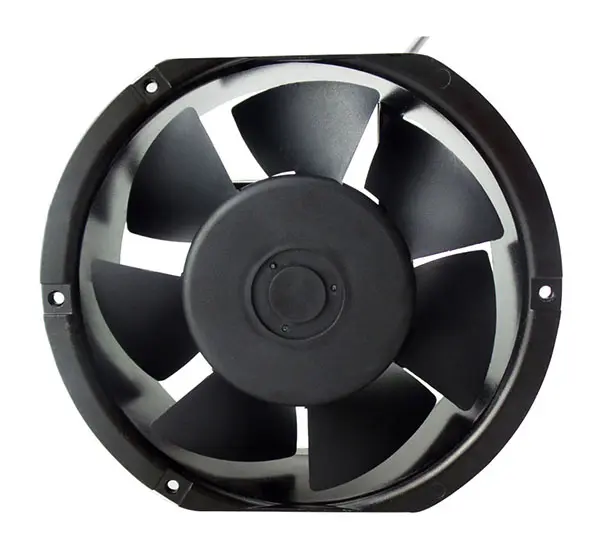
The relationship between the air volume and the air pressure of the cooling fan
Rotational speed
Speed refers to the speed of the Fan rotation, usually measured by the number of turns in 1 minute, that is: rpm. The speed is related to the number of winding turns, the diameter of the wire, the outside diameter and the bottom diameter of the blade blade, the shape of the blade and the bearing used.
The size of the speed value, to a certain extent, represents the size of the air volume, under certain conditions, the greater the speed, the noise and vibration will increase accordingly, therefore, in the case of air volume to meet the heat dissipation requirements, should try to use low speed fan.
The fan speed can be tested by the BIOS when starting the computer, or by the monitoring software that comes with other motherboards. It can also be tested by a tachometer. Note: The first two methods must be a fan that supports the speed measurement function to measure.
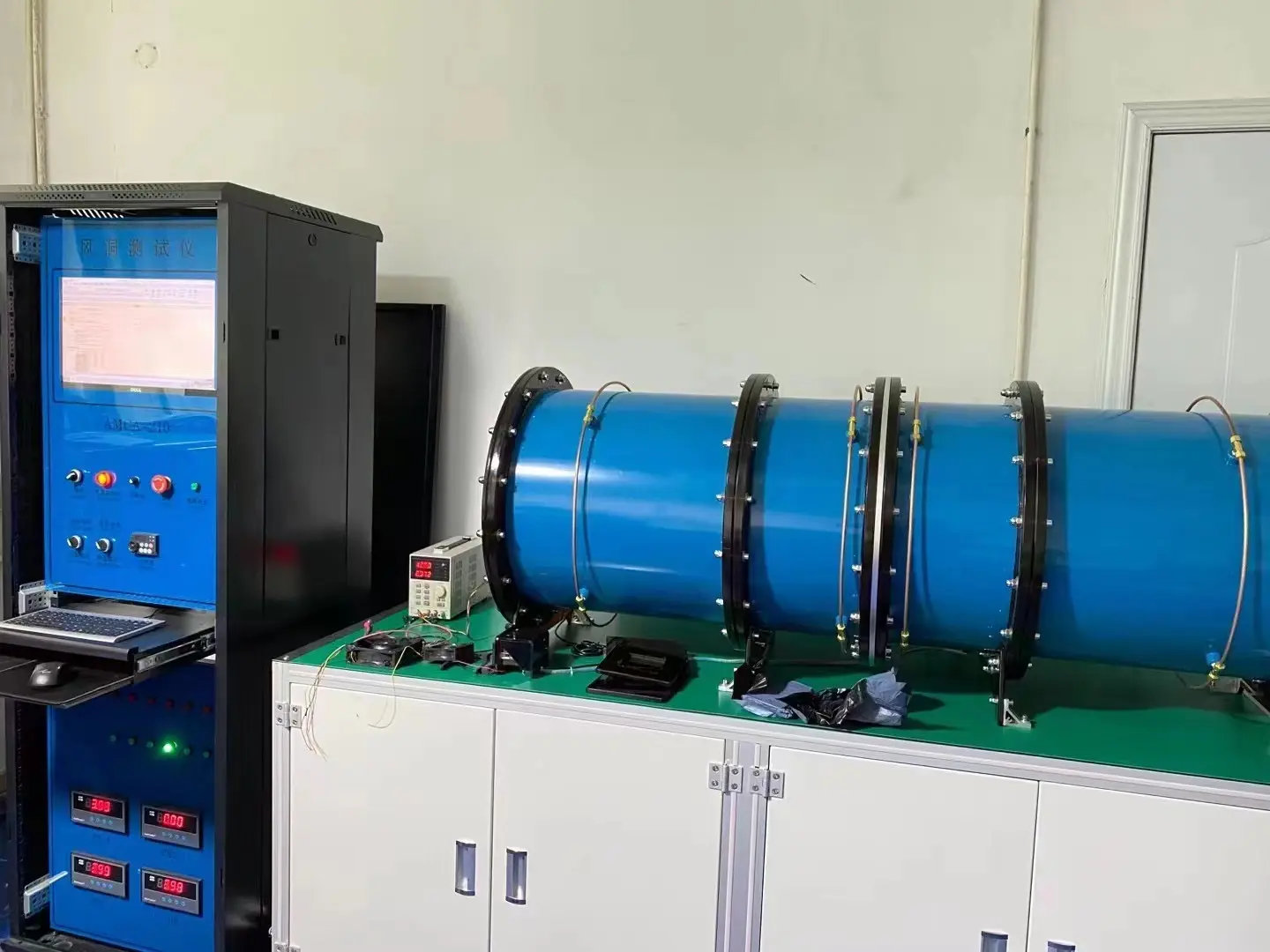
Air volume and pressure:
There are two test methods for air volume and wind pressure, one is to test with wind tunnel instrument, and the other is to test with double-box method. But for the average user, there is no such device. Only according to the data provided by the manufacturer as a reference, to see the cooling effect.
Air volume: Air volume refers to the product of the plane speed of the fan ventilation area. The ventilation area is the outlet area minus the projected area at the vortex tongue. The plane velocity is the velocity of the gas moving through the entire plane, measured in m/s. When the plane velocity is constant, the larger the outside diameter of the blade blade, the larger the ventilation area and the larger the air volume. The plane speed is determined by the rotor speed and wind pressure. When the ventilation area is constant, the higher the plane velocity, the greater the air volume. The greater the air volume, the greater the heat absorption of the air, the more heat can be taken away when the air flow is transferred, and the more obvious the fan heat effect is.
In practical applications, the nominal maximum wind value specified for a heat sink does not necessarily equate to the actual airflow volume achieved. A higher airflow volume does not inherently indicate superior ventilation performance. During operation, airflow encounters obstructions such as fan thermal discs or components, which increase impedance and restrict free air movement. Consequently, a large airflow volume can result in decreased wind pressure. Therefore, there exists an operating point, defined as the intersection of the fan performance curve and the system resistance curve. At this operating point, the slope of the fan characteristic curve is minimal, and the rate of change of the system characteristic curve is lowest. It is important to note that the static efficiency of the fan (airflow × wind pressure ÷ power consumption) is optimized at this point. Additionally, reducing system impedance can sometimes allow for the use of smaller fans to achieve the same wind pressure.