

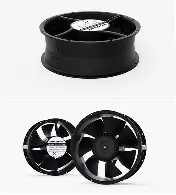
The key factors affecting the life of the cooling fan
First and foremost, it is essential to comprehensively analyze the factors that influence the lifespan of Cooling Fans. The longevity of a cooling fan is typically determined by the following critical factors:
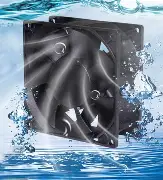
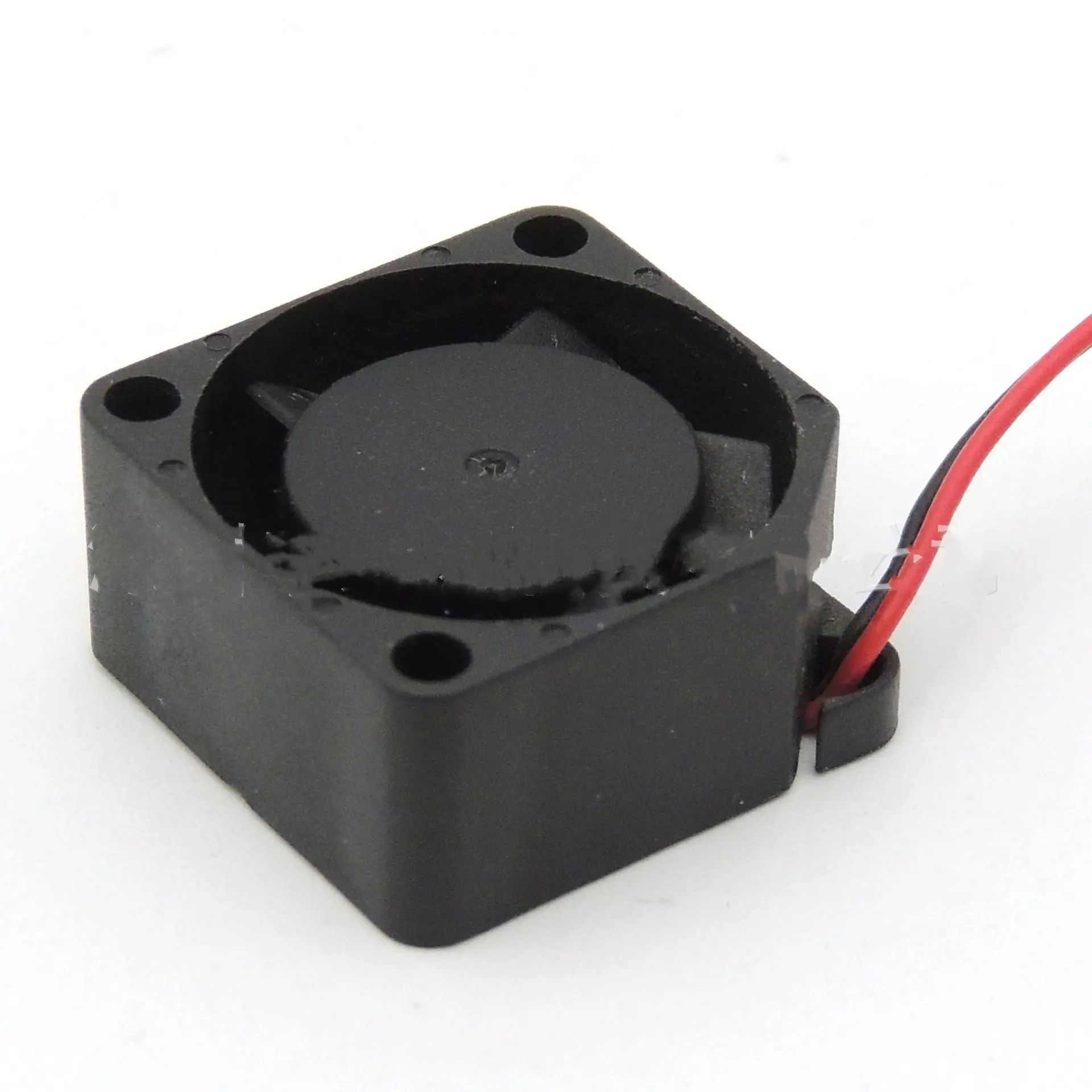
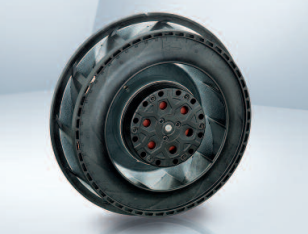
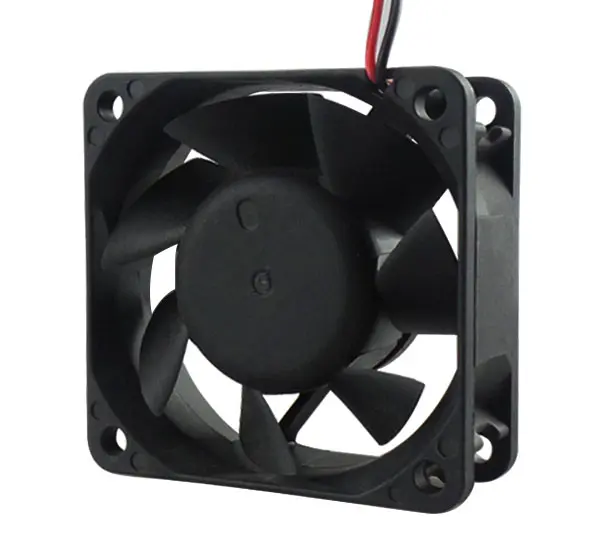
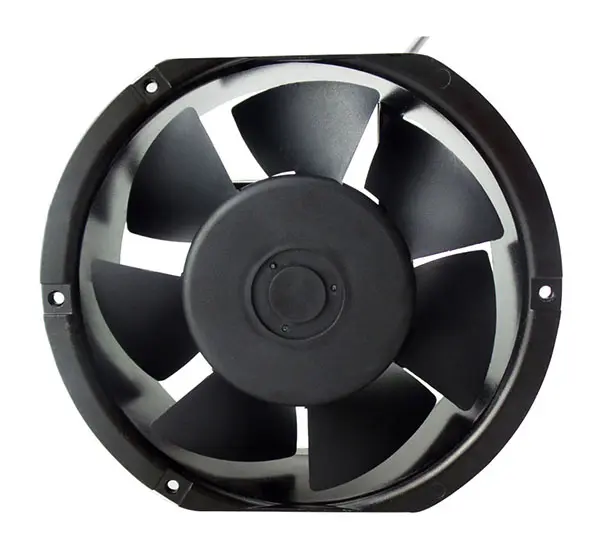
1. **Fan Type**: Different types of fans (e.g., Axial Fans, centrifugal fans) exhibit distinct lifespans and application scopes. Axial fans are generally suited for scenarios requiring high airflow and low static pressure, whereas centrifugal fans are ideal for environments with high static pressure and limited spatial constraints. A thorough understanding of these characteristics facilitates optimal alignment with equipment requirements.
2. **Bearing Type**: Bearings play a pivotal role in determining the lifespan of a fan. Common bearing types include plain bearings, ball bearings, and magnetic levitation bearings. Ball bearings, in particular, offer extended durability and reduced friction coefficients, making them suitable for high-load and high-speed operating conditions.
3. **Ambient Temperature**: The operational ambient temperature significantly impacts the performance of the grease used in fans, which in turn affects their lifespan. In high-temperature environments, grease tends to degrade more rapidly, leading to increased bearing wear. Therefore, when selecting a fan, it is crucial to ensure its compatibility with the required ambient temperature for stable operation.
4. **Lubrication Quality**: The quality of lubrication directly influences the operational efficiency and longevity of the fan's bearings. High-quality grease minimizes friction and delays wear, thereby enhancing the overall lifespan of the fan.
5. **Fan Load and Usage Frequency**: Prolonged high-load operation or frequent start-stop cycles can substantially reduce the lifespan of a fan. Designing an effective heat dissipation strategy to prevent the fan from operating in an overloaded state is instrumental in extending its service life.