


Select the cooling fan using the six-step method
Step 1: Determine the fan voltage. Commonly used voltages for general Cooling Fans include DC 5V, 12V, 24V, 48V, and AC 110V, 220V. The appropriate voltage should be determined based on the power supply situation of the machine. The characteristics, advantages, and disadvantages of different power supply types are as follows:
AC Fan: Direct power supply at 110V or 220V.
Advantages: No need for an additional transformer during use, strong surge resistance, and a relatively low unit price.
Disadvantages: Limited speed range, no speed regulation function, and inability to incorporate detection signals.
DC Fan: Multiple DC input voltages are available.
Advantages: Safe voltage levels, broad application scope, more selective installation dimensions and speed ranges, adjustable speed, and the ability to incorporate various signal feedbacks, such as blocking alarms and other functions.
Disadvantages: Requires a DC adapter power supply.
Ec Fan: Compatible with both AC and DC power supplies.
Advantages: Capable of full-range voltage adjustment, speed regulation, RD/FG functionality, wide speed range, and plug protection.
Disadvantages: Weak surge resistance and a higher unit price.
Step 2: Determine the Suitable Fan Type
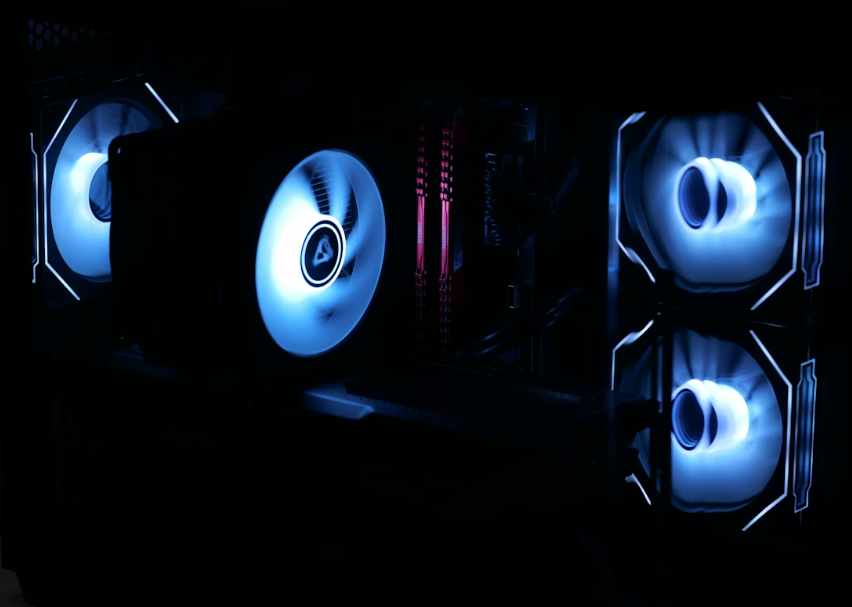
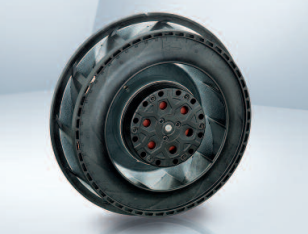
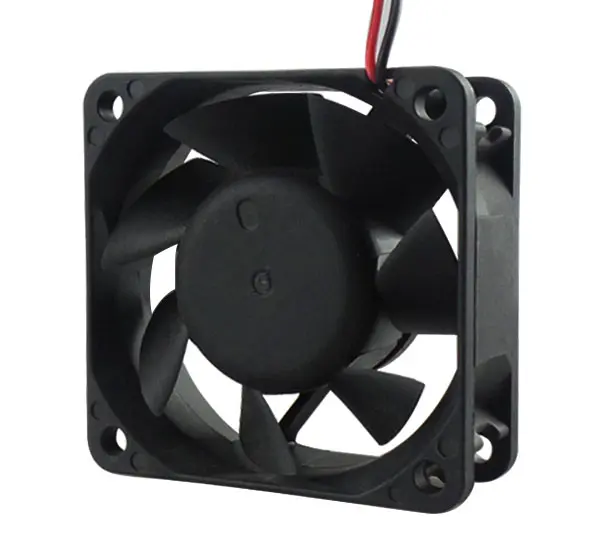
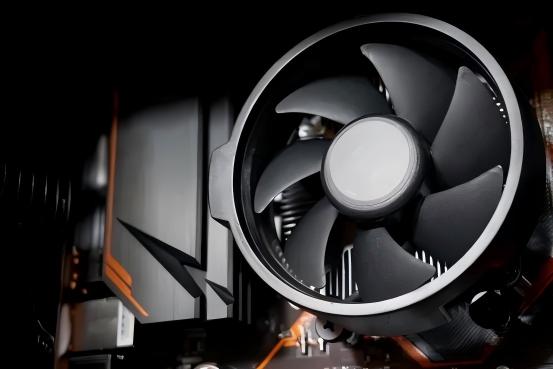
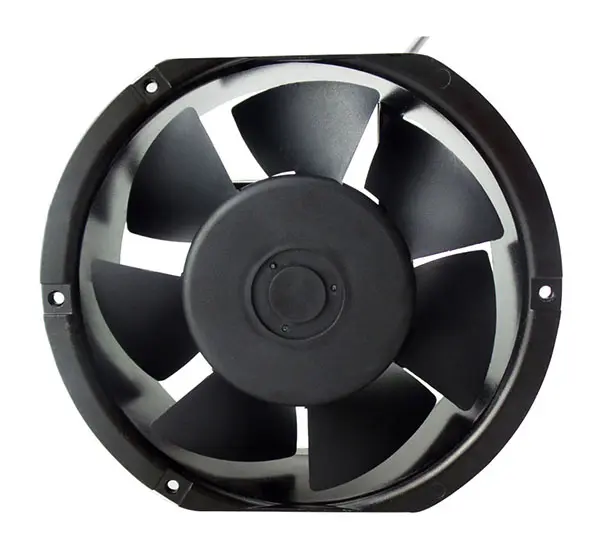
Optional fan types include cross-flow fans, axial-flow fans, centrifugal fans, and blowers fan.
- Cross-flow cooling fans: characterized by large air volume and low wind pressure.
- Axial-flow fans: characterized by air inlet and outlet in the same direction.
- Centrifugal fans: characterized by a 90-degree angle between the inlet and outlet, large air volume, and high wind pressure.
- Blowers: characterized by a 90-degree angle between the inlet and outlet, small air volume, and high wind pressure.
Step 3: Validate the reference values for air volume and wind pressure, including action points, static values, PQ curves, rotational speed, noise levels, and current.
Step 4: Establish the fundamental parameters of the fan model, such as manufacturer, model number, dimensions, voltage, current, rotational speed, air volume, wind pressure, and noise characteristics.
Step 5: Determine the fan bearing type and IP protection rating.
Bearing Types: Sleeve-bearing, hydrodynamic bearings, ball bearings.
Estimated Service Life:
- Sleeve-bearing: 30,000 hours at 25°C
- Hydrodynamic Bearings: 35,000 hours at 25°C
- Ball Bearings: 50,000 hours at 25°C
Step 6: Confirm Functionality and Installation
Fan Function Selection: No detection function, FG (Frequency Generator) speed measurement function, RD (Rotation Detection) alarm function, PWM (Pulse Width Modulation) speed regulation function, and self-start function.
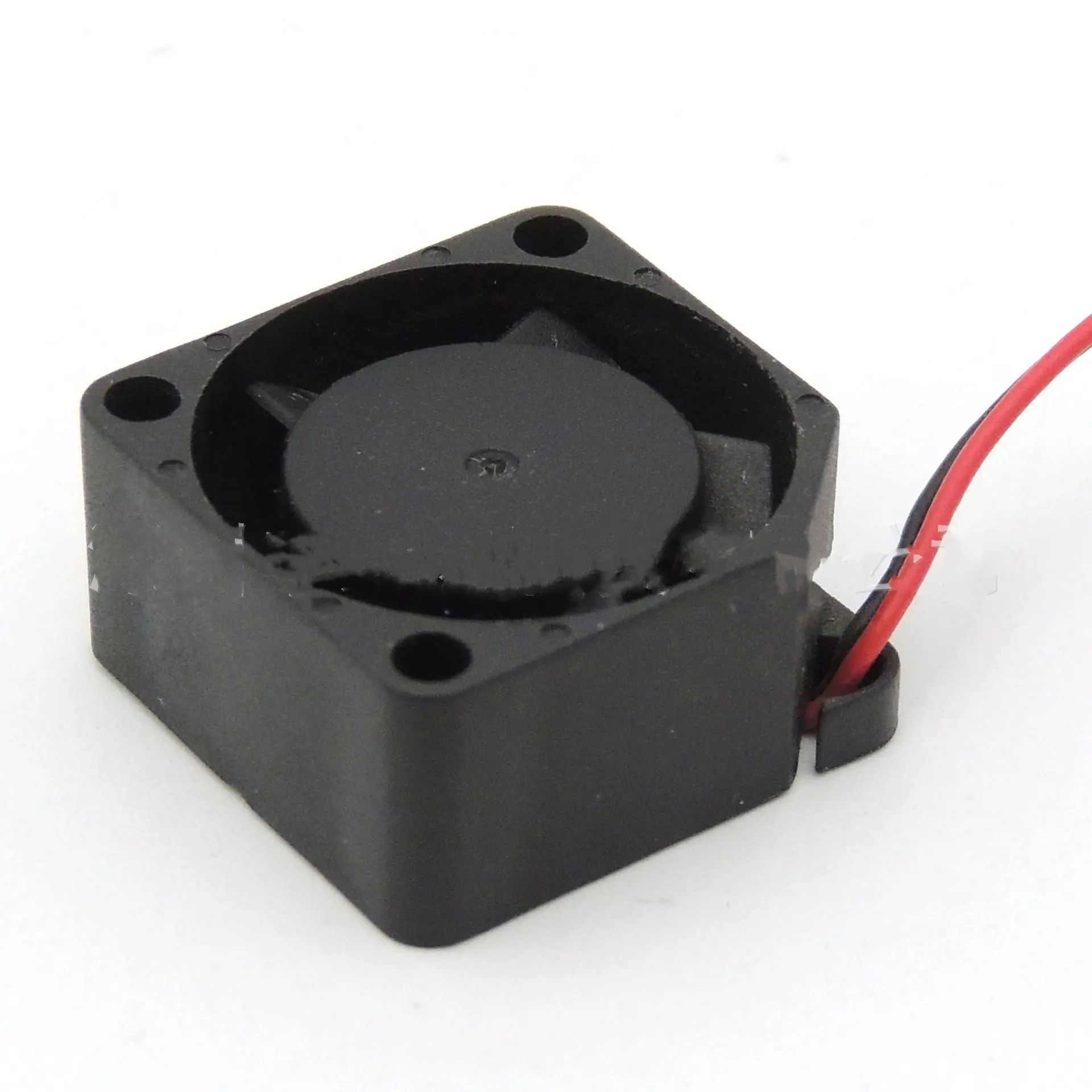
Cooling Fan Installation: Includes fan frame, lead wires, terminals, and wiring sequence.
Fan Frame: Features through holes, split holes, etc.
Lead Wires: Available in branch lines, parallel lines, and twisted lines configurations.
Terminals: Common terminal types include HX2.54, PH2.0, 2510, and aviation-grade connectors.
Wiring Sequence: Specifies the arrangement of positive and negative lines.
Through the aforementioned six steps, the selection of your cooling fan is finalized. Provide your specifications to the cooling fan manufacturers, and they will be able to produce a fan that meets your requirements.
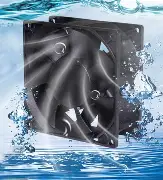
IP Protection Levels:
- IP55: Dust protected, splash water resistant
- IP67: Dust tight, protected against immersion in water
- IP68: Dust tight, fully submersible