

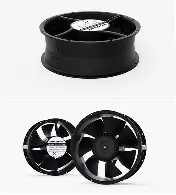
How to Select Cooling Fans Based on Equipment Specifications
1.1 Device Power
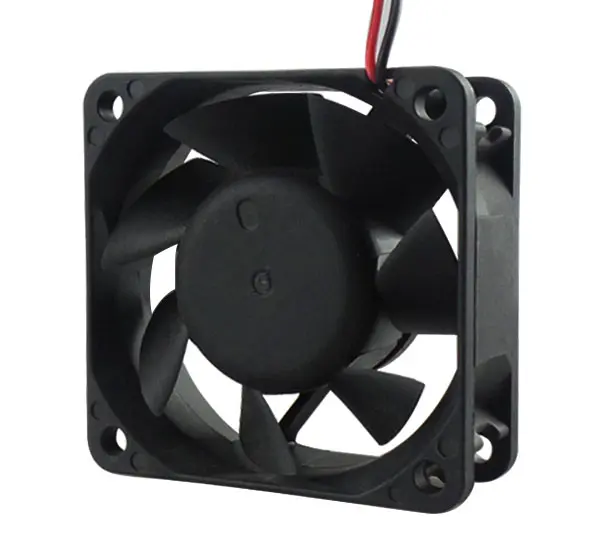
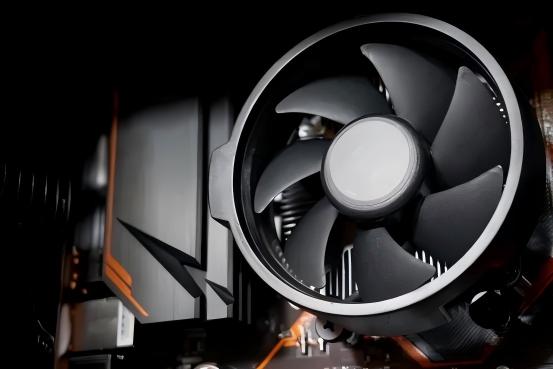
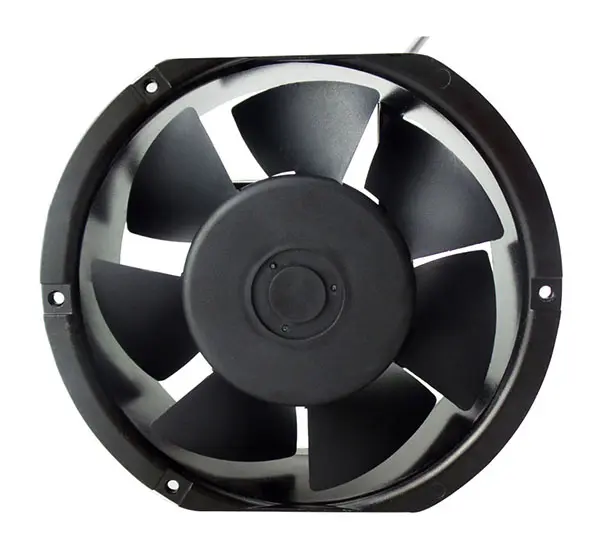
The power consumption of a device directly influences the amount of heat it generates. Higher power consumption typically necessitates stronger heat dissipation capabilities. Understanding the device's power requirements is essential for selecting a Fan with an appropriate air volume. High-power devices demand fans that can provide both increased air volume and pressure to ensure effective heat dissipation.
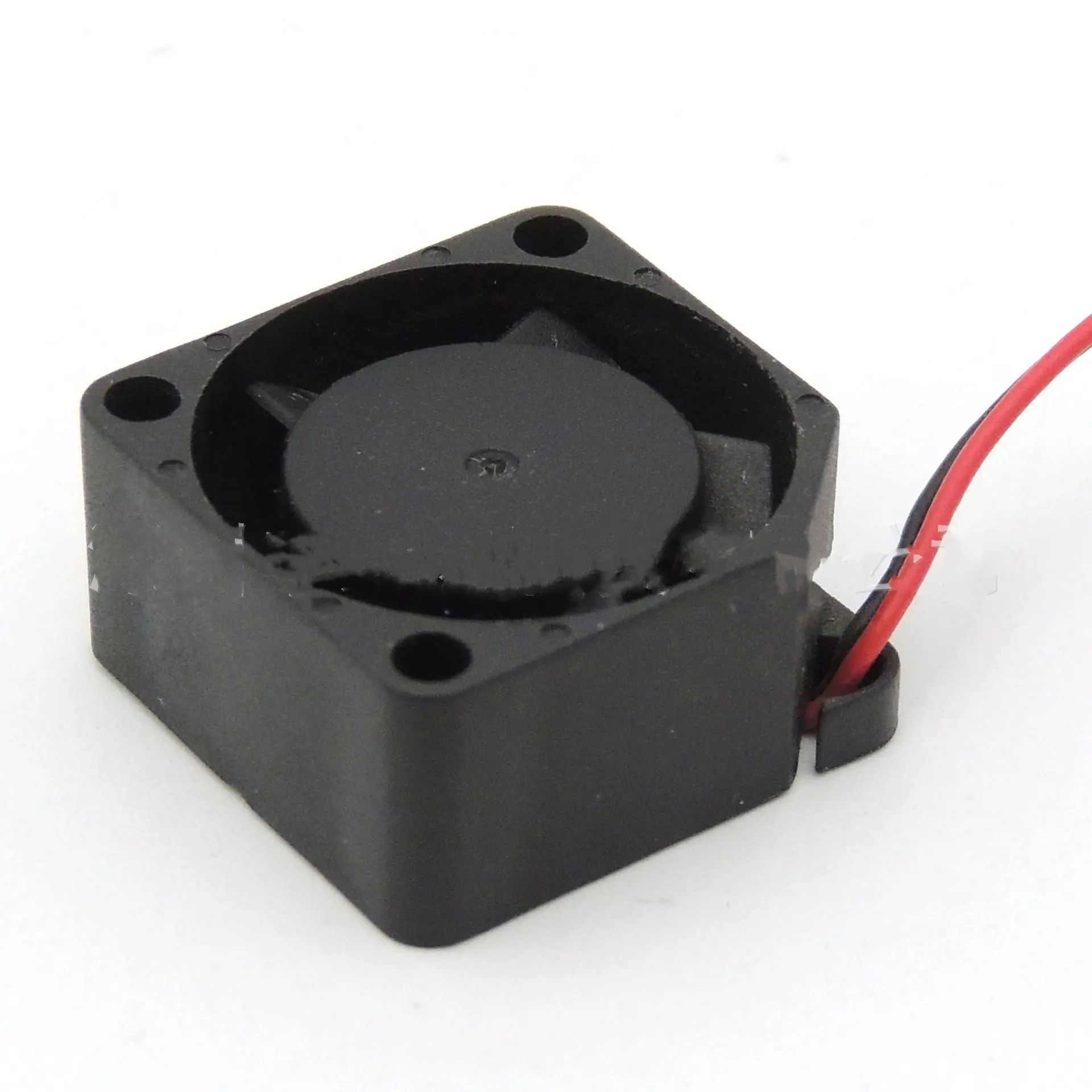
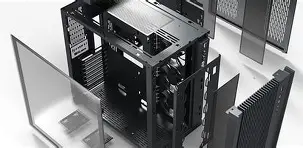
1.2 Device Dimensions and Space Constraints The physical dimensions and internal space of a device are critical factors in determining the appropriate fan size. Compact devices require smaller fans to fit within limited space constraints, while larger devices may accommodate bigger fans, which can enhance heat dissipation performance.
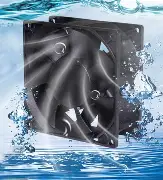
1.3 Working Environment Considerations Environmental conditions, including ambient temperature, humidity, and dust levels, significantly impact the selection of a Cooling Fan. In specialized environments, such as those with high temperatures, humidity, or dust exposure, it is necessary to choose fans equipped with protective features to ensure reliable operation.
1.4 Noise Level Requirements For certain applications, maintaining a quiet operating environment is crucial. Examples include home appliances, office equipment, and medical devices. In these cases, noise control becomes a key consideration. For noise-sensitive equipment, prioritizing low-noise fans is recommended to meet operational requirements.