

How to Select an Appropriate Cooling Scheme Based on the Service Life of the Cooling Fan?
1. Assess the thermal dissipation requirements of the device. Each device has distinct thermal management needs. When evaluating these requirements, consider factors such as workload, power consumption, and heat generation. For instance, high-power electronic devices like servers and electric vehicle chargers necessitate robust cooling systems. When selecting a Cooling Fan, ensure it provides adequate airflow and static pressure to manage the heat generated by the equipment.
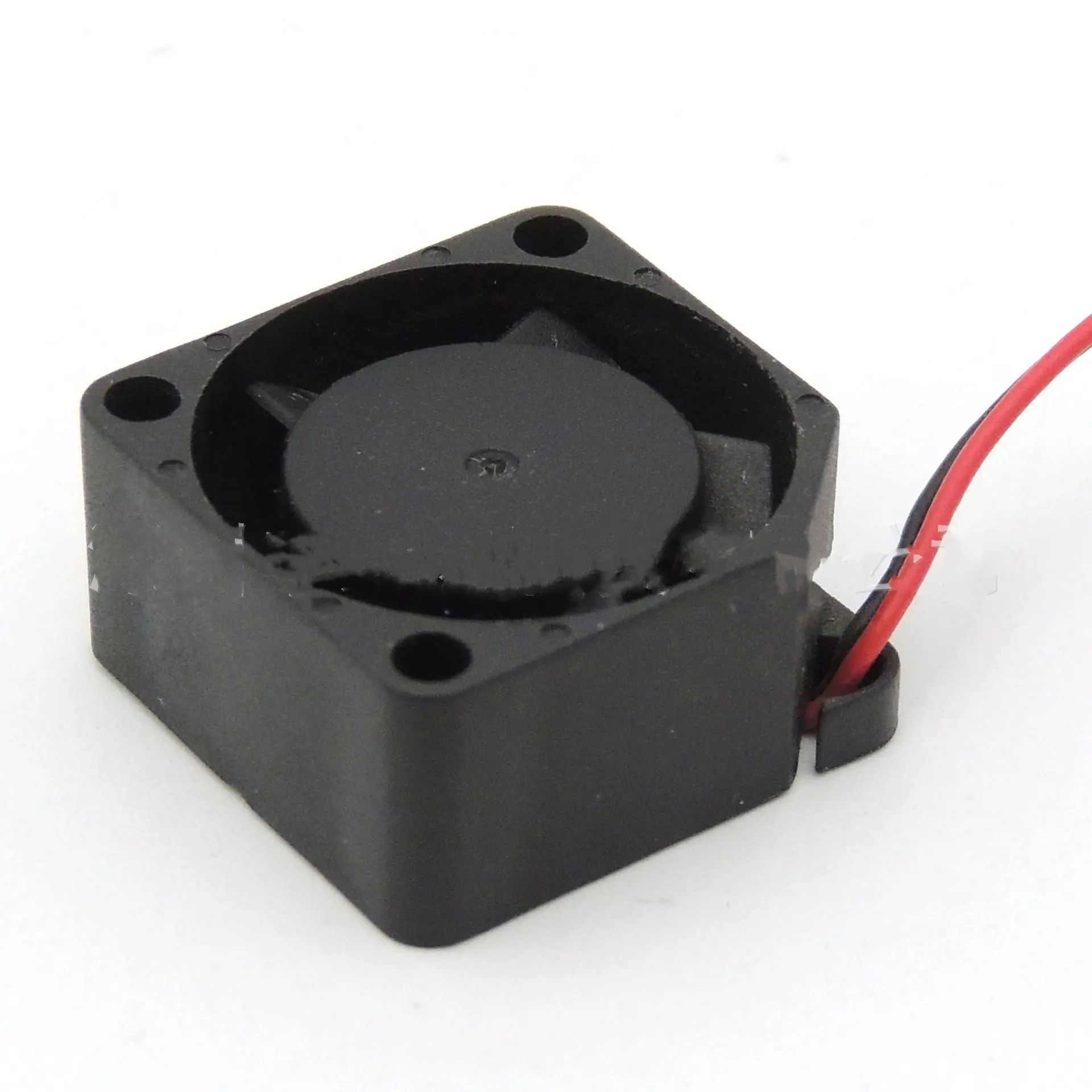
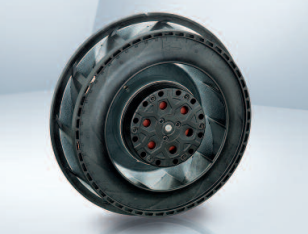
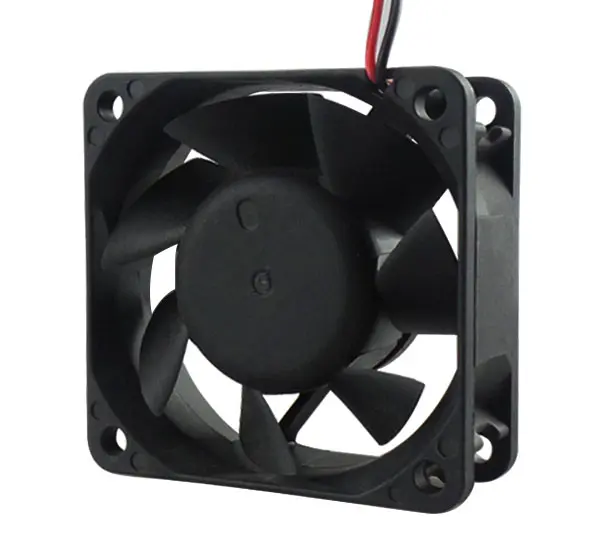
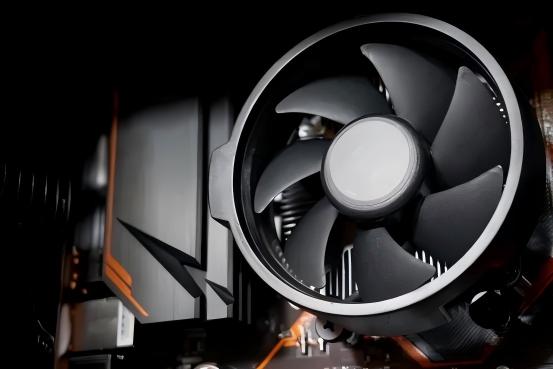
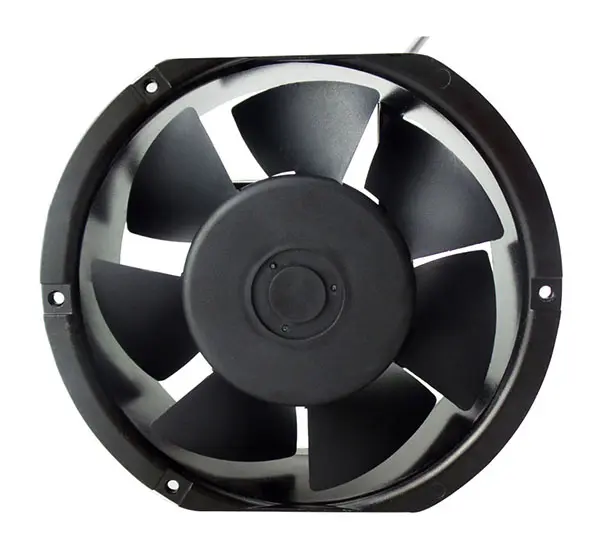
2. Choose an appropriate fan type based on the thermal dissipation requirements and operational environment of the device. For applications requiring substantial airflow, an Axial Fan may be suitable. For compact devices that need to overcome higher static pressure, centrifugal fans are a viable option. When selecting a fan, evaluate not only its airflow and static pressure capabilities but also its temperature resistance and lifespan requirements.
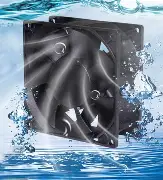
3. Account for environmental factors, which significantly influence the longevity of cooling fans. Harsh conditions, such as high temperatures, humidity, and dust, accelerate the degradation of fan components. Therefore, when choosing a fan, carefully consider its intended working environment. For example, in high-temperature settings, select a fan with enhanced temperature resistance. In humid environments, opt for a waterproof and dustproof fan, such as one rated IP68. Selecting the appropriate fan ensures stable operation in specific conditions and extends its service life.
4. Selection of High-Quality Grease and Bearings
Selecting high-quality grease and appropriate bearing types is essential for extending the lifespan of the fan. Both ball bearings and magnetic bearings can maintain low friction over extended periods, thereby reducing fan wear and enhancing service life. High-quality grease ensures reliable operation of the fan under high-temperature conditions while preventing damage caused by insufficient lubrication.
5. Regular Maintenance and Cleaning
Regular cleaning and inspection are critical to ensuring the fan operates normally. Timely replacement of aged components is necessary. For instance, removing dust and debris from fan blades prevents foreign objects from affecting airflow and efficiency. Additionally, checking the bearing condition and lubrication status, as well as replenishing lubricating oil when needed, guarantees long-term stability and optimal performance.
6. Optimization of Fan Layout
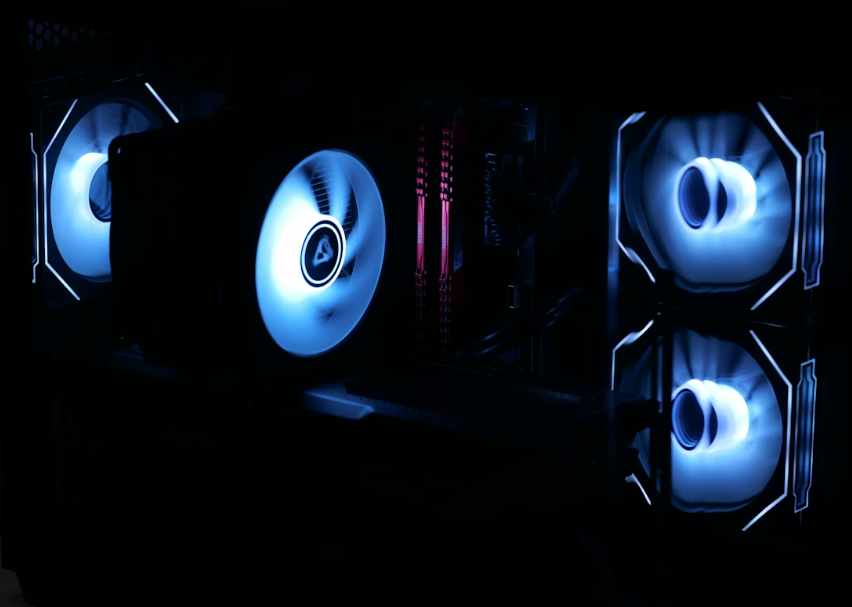
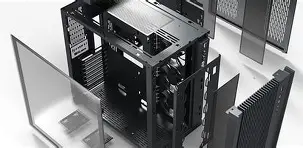
The rationality of the fan layout significantly impacts its cooling efficiency and longevity. Fans should be installed in locations with unobstructed airflow to avoid interference from obstacles. The installation angle, direction, and wind speed must consider internal heat flow and dissipation requirements to achieve maximum cooling effectiveness.
When selecting the optimal cooling solution, the lifespan of the cooling fan is a critical factor to consider. Proper selection of fan type, bearing, lubricant, and working environment can significantly enhance heat dissipation efficiency while extending the fan's service life. Regular maintenance and cleaning are also essential in ensuring smooth operation and minimizing fault occurrences.
If you are seeking an appropriate cooling fan for your equipment, Shenzhen Fuqingda Electronic Technology Co., Ltd. specializes in delivering efficient and long-lasting cooling solutions. The company offers a wide range of high-quality cooling fans to ensure that your equipment consistently operates at peak performance.