

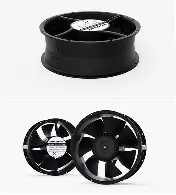
How to quickly diagnose and fix cooling fan problems caused by an RD signal failure?
I. Core Manifestations and Identification Methods of RD Signal Faults
The RD signal utilizes open-collector output level variations for fault monitoring: during normal fan operation, the signal pin outputs a low level; in cases of rotor lock or stall, it outputs a high level. The following phenomena warrant heightened vigilance:
1. System Alarm Activation
When the motherboard or monitoring software detects sustained high-level RD signals, it may trigger a "Fan Failure" alarm (e.g., data center server alarm code F012).
2. Abnormal Speed Data
By comparing the FG (Frequency Generator) speed feedback signal, if an RD alarm is triggered while FG still registers data, it may indicate a sensor false alarm; if both signals are absent, immediate inspection of the fan unit is required.
3. Load-Temperature Correlation
If CPU/GPU thermal protection is triggered without reaching load thresholds, or if device frequency reduction occurs frequently under normal ambient temperatures, RD signals should be analyzed in conjunction to determine potential cooling system failure.
II. Fault Diagnosis Procedure and Resolution Strategies
1. Fundamental Inspection and Emergency Handling
• Signal Line Integrity Verification
Utilize a multimeter to measure the resistance between the RD signal line and GND (normal state exhibits low impedance). If an open circuit is detected, replace the wiring harness or inspect the connector.
• Power Supply and Control Logic Validation
Verify whether the fan supply voltage falls within the specified range (e.g., 40.8V-55.2V for a 48V rated fan) and examine the PWM speed control signal for abnormalities.
• Redundant Fan Replacement Test
Conduct a rapid problem localization by substituting with a known functional fan unit.
2. In-depth Fault Analysis and Remediation
•
Rotor Lock Handling
In cases where the RD signal remains high accompanied by abnormal vibrations, it is necessary to disassemble the fan to clean the bearings or replace them with new ones.
•
Sensor Circuit Restoration
To address RD signal false alarms, inspect the gap between the Hall sensor and the magnetic ring (recommended range: 0.5-1.0 mm) or replace the signal processing chip.
•
Firmware and Driver Updates
Certain industrial equipment may require BMC firmware upgrades to ensure compatibility with new fan protocols.
III. Preventive Maintenance and Product Selection Suggestions
1. Implement routine maintenance procedures, including quarterly deep cleaning and semi-annual signal calibration.
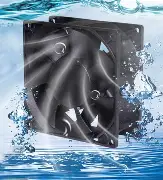
2. Select high-reliability products, such as our company's dual ball bearing fans integrated with pulse sensors, which support operation across a wide temperature range from -20°C to +70°C. Additionally, products with IP68 protection rating are recommended for outdoor communication cabinets and other humid environments.
Conclusion
The rapid resolution of RD signal malfunctions necessitates a comprehensive approach encompassing hardware diagnostics, signal analysis, and preventive maintenance. The selection of cost-effective, high-performance products, coupled with the implementation of standardized maintenance protocols, can significantly mitigate equipment downtime risks. For additional technical support, please contact Shenzhen Fuqingda Electronics Technology Co., Ltd. or visit our official website to access product manuals and case studies.