


How to Precisely Choose Cooling Fans?
1 ,the initial step in determining the operating voltage and type selection for a fan is to identify the appropriate operating voltage. Common Cooling Fan voltages include 5V, 12V, 24V, and 48V, as well as higher voltages such as 110V and 380V. Based on this, customers should select the most suitable fan type according to the application environment and power supply voltage: AC fan,DC fan, or Ec Fan.
AC fans do not require an adapter, offer strong surge resistance, and are cost-effective; however, they have a limited speed range that cannot be adjusted, making them suitable for environments with lower fan performance requirements.
DC fans provide more flexibility in terms of voltage usage, installation size, and speed range. They also offer various features such as blocked rotation alarms, speed detection, and PWM speed control, making them ideal for products with stringent environmental requirements.
EC fans support full electrical voltage, feature speed regulation and RD/FG functionality, and offer a wide speed range along with blocked rotation protection. However, they have weaker surge resistance and come at a higher unit price.
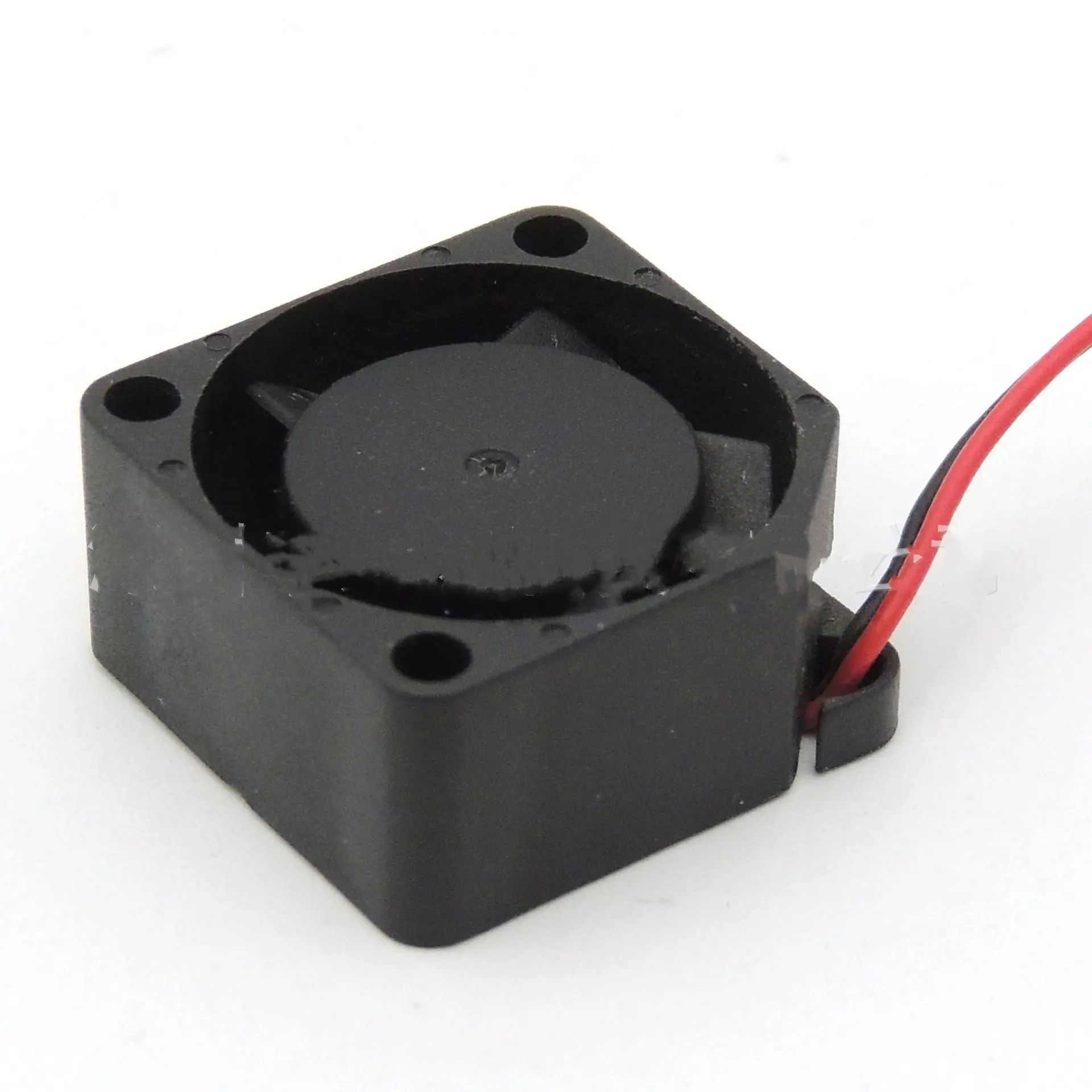
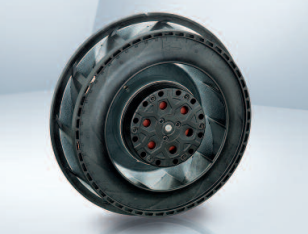
2. Confirm the Appropriate Fan Type Selecting the correct fan type based on the requirements of the air outlet mode is crucial. Common fan types include cross-flow fans, axial fans, and blowers.
characterized by a large air volume and low wind pressure, making it suitable for scenarios requiring substantial airflow.
Axial fan:
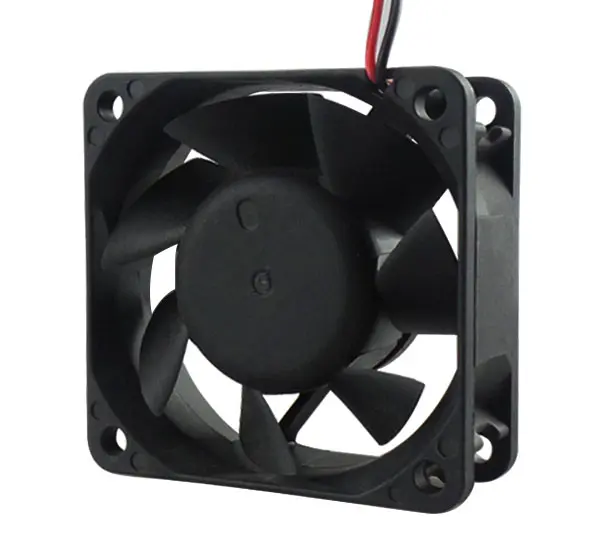
featuring aligned inlet and outlet air directions, this type is appropriate for standard heat dissipation needs.
Blower flow fan:
also with a 90-degree angle between the inlet and outlet air, but with smaller air volume and higher wind pressure, this type is suited for specific high-pressure heat dissipation applications.
3, confirm the air volume and air pressure.
Air volume is a critical parameter for evaluating the heat dissipation performance of a fan, representing the quantity of air circulated by the fan per unit time. Wind pressure, on the other hand, denotes the static or dynamic pressure generated by the fan. Based on the specified air volume requirements, select an appropriate fan model that meets these criteria. Evaluate key parameters such as the operating point, static value, PQ curve, rotational speed, noise level, and current consumption.
Once the required air volume is determined, the fan selection process should be based on this value. The actual air volume when the fan is installed in the device can be derived from the air volume/static pressure characteristic curve and the pressure drop across the device. However, since the pressure drop must be measured using specialized equipment, it is common practice to select a fan with an air volume capacity 1.5 to 2 times greater than the required air volume (where the operational air volume is between 50% to 67% of the maximum air volume).
4. Determine the Fundamental Parameters of the Fan Model
During the selection process, it is essential to ascertain the fundamental parameters of the fan model, which encompass brand, model, dimensions, voltage, current, rotational speed, air volume, wind pressure, and noise level. These parameters have a direct impact on the fan's performance and operational effectiveness.
5, It is crucial to acknowledge that fan bearings and IP protection class ratings are pivotal components influencing the longevity and noise levels of fans.
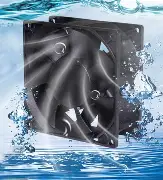
Common bearing types include sleeve bearings, fluid dynamic bearings, and ball bearings, with ball bearings offering the longest lifespan albeit at a higher cost. The IP protection rating determines the fan's resistance to dust and water. Specifically, IP55 provides protection against water splashes, IP67 offers protection against rain and temporary immersion in water, while IP68 ensures functionality even when submerged in water. Select an appropriate IP protection level based on the application environment to ensure optimal and stable operation of the fans.
6. Confirm Functionality and Installation Requirements:
Based on specific requirements, select a fan equipped with FG speed measurement, RD alarm, PWM speed regulation, and self-starting functions. Additionally, the fan frame should utilize a through-hole lock screw design to ensure secure installation. The selection of leads and terminals must also align with practical application needs.