
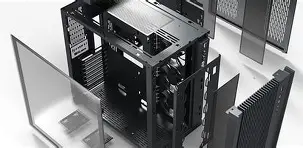
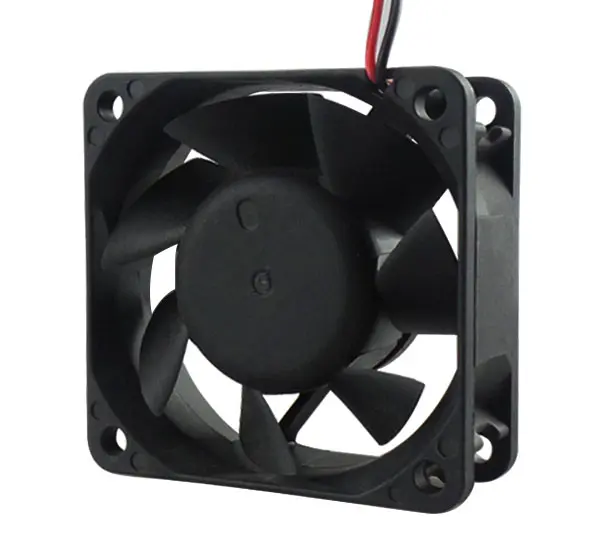

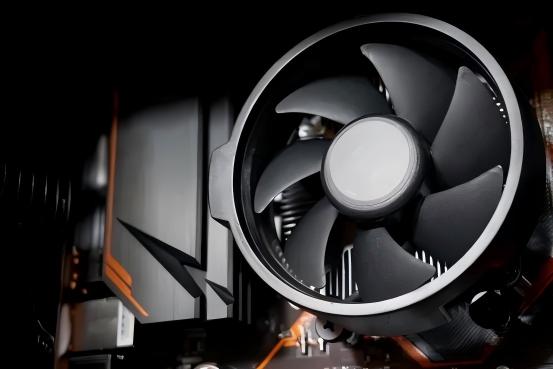
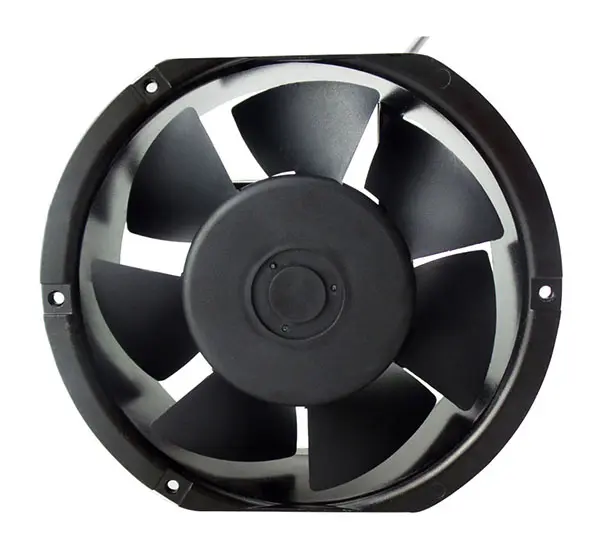
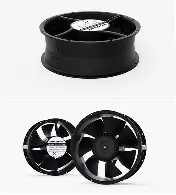
How to Choose the Appropriate Cabinet Cooling Fans
1. Heat dissipation requirements
Before making a selection, it is necessary to accurately assess the heat generation of the electronic equipment in the cabinet to determine the required heat dissipation capacity. For high-power density devices, such as high-performance servers and core switches, if they generate a large amount of heat during operation, it is recommended to choose Fans with a larger air volume to ensure effective heat exchange. When the installation space is limited and large-sized fans cannot be configured, priority should be given to selecting DC fans with a higher energy efficiency ratio to achieve optimal heat dissipation performance within the limited space.
2. Airflow and Static Pressure
Airflow (measured in CFM) refers to the volume of air that a fan can convey per minute. It is typically expressed in Cubic Feet per Minute (CFM). The greater the airflow, the more heat it can remove per unit time, and the stronger its cooling capacity.
Static Pressure (measured in mmH₂O) refers to the fan's ability to maintain air flow output while overcoming air resistance. It plays a crucial role especially in high-resistance environments (such as densely arranged heat sinks or electronic components). High-static-pressure fans can effectively penetrate resistance areas, ensuring that the cooling air flow reaches the heat-generating core, making them more suitable for closed-type cabinets with ventilation issues or high-density equipment installation scenarios.
3. Bearing Type
The type of bearing is a key factor influencing the operating noise, service life and maintenance cycle of the fan. Among the common bearing types, Sleeve bearings have a lower manufacturing cost, but their lifespan is relatively short and they are prone to accelerated oil evaporation due to high-temperature environments, resulting in performance degradation; ball bearings have a longer working life and good high-temperature adaptability, but they are more costly and have relatively louder operating noise; in contrast, fluid dynamic bearings (FDB) combine the advantages of low friction and high stability, offering superior noise reduction performance and durability; magnetic levitation bearings achieve zero-friction operation through non-contact support technology, not only having extremely low noise but also having the longest lifespan, and are suitable for high-end applications with high requirements for reliability and noise reduction. Therefore, when selecting the bearing type, one should comprehensively consider the advantages and disadvantages of various bearing types based on the actual operating environment and performance requirements.
4. Noise Control
In office environments, data centers, or other places that are sensitive to noise, the noise level of the fans is an important factor that cannot be ignored during the selection process. To ensure a quiet and comfortable operating environment, fans with low noise design characteristics should be given priority. Such fans typically employ low-friction and low-vibration technologies such as hydraulic bearings (Sleeve Bearing), fluid dynamic bearings (FDB), or magnetic levitation bearings, effectively reducing aerodynamic and mechanical noise during operation. Additionally, optimized fan blade structures and intelligent speed control also help to further reduce noise output. Therefore, in high-demand environments, the overall acoustic performance of the fan should be considered comprehensively, and products that combine efficient heat dissipation with quiet operation capabilities should be selected.
5. Control Method
Select a fan that supports PWM (Pulse Width Modulation) speed control function. It can automatically adjust the rotational speed according to the changes in equipment load, achieving on-demand cooling. This control method not only helps improve energy efficiency and reduce power consumption, but also effectively reduces operating noise in low-load conditions, thus balancing energy conservation and operational comfort. Therefore, in application scenarios with high requirements for energy consumption and noise control, it is recommended to prioritize the use of fan products with intelligent PWM speed control function.
6. Power Supply Matching
The power supply type for the fans should be selected in a way that matches the power type (DC or AC) of the cabinet. For instance, if the cabinet uses 48V communication DC power, a DC fan with a matching rated voltage should be chosen; if 220V industrial AC power is used, an AC fan with the standard voltage level should be selected. Correctly matching the power supply method not only ensures the stable operation of the fans but also effectively avoids equipment damage or safety hazards caused by incompatible voltages. Therefore, during the selection process, it is necessary to strictly verify the power parameters to ensure the reliability and safety of the entire system.
7. Size and Compatibility
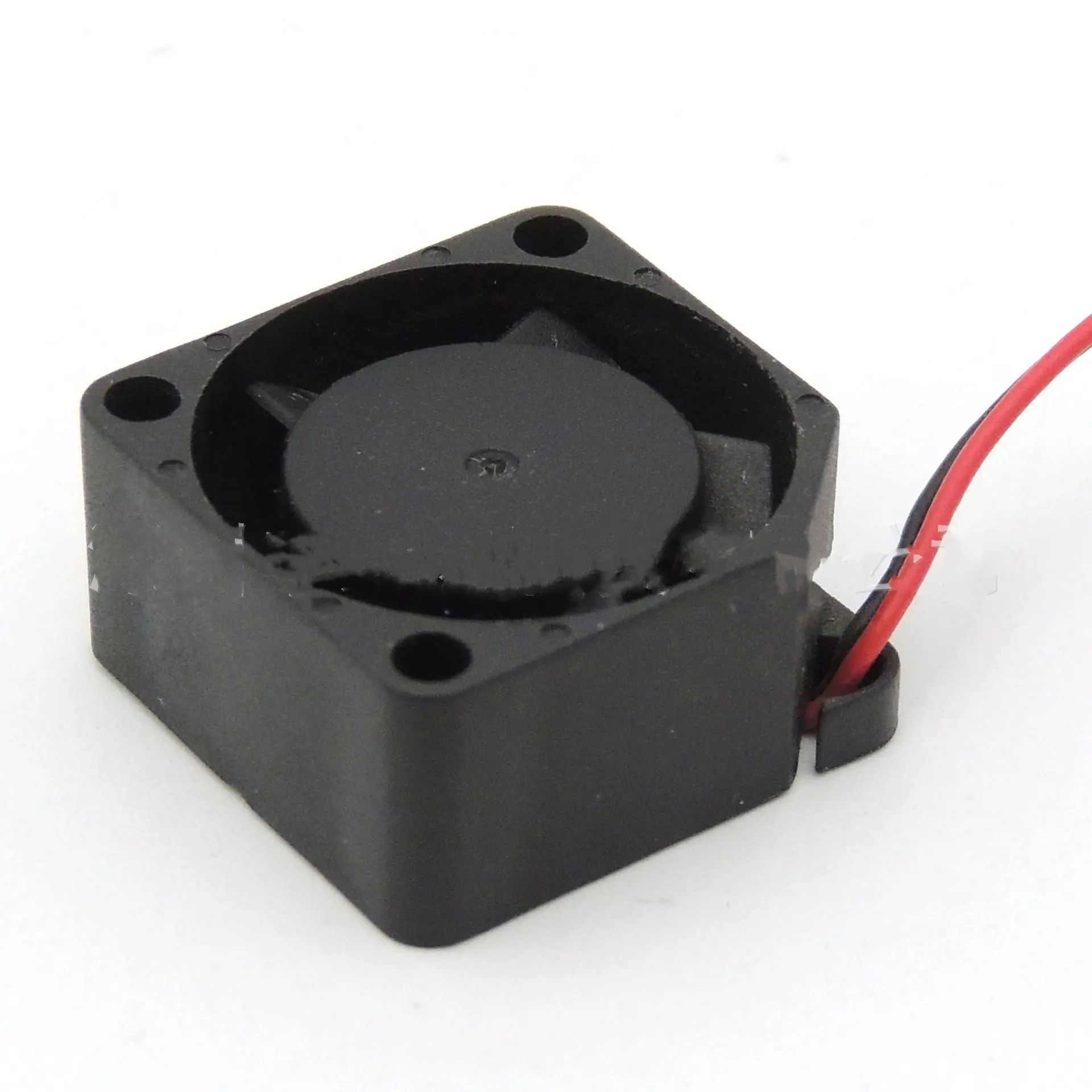
During the selection process, it is essential to ensure that the physical size of the selected fan matches the reserved installation space in the cabinet, to avoid installation issues or disruption of the internal layout due to size mismatch. Additionally, the compatibility with other hardware components within the system must be fully considered, including fixed mounting positions, airflow direction design, and the type of power supply interface on the motherboard (such as 3-pin PWM or 4-pin PWM interface), among other critical factors. A proper match of size and interfaces not only facilitates an efficient heat dissipation layout but also ensures the stability of the system operation and the convenience of future maintenance. Therefore, it is recommended to conduct precise verification based on the equipment specifications before purchasing to ensure the feasibility and reliability of the overall integration.
8. Environmental Adaptability
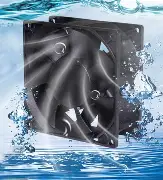
During the selection process, the environmental adaptability of fans should be thoroughly evaluated, particularly whether they possess protective features such as water resistance and dust resistance. For cabinets deployed in dusty, high-humidity, or harsh industrial environments, it is recommended to select fan products that comply with IP protection rating standards (e.g., IP55 or higher) to effectively prevent dust accumulation and moisture ingress, thereby avoiding reduced heat dissipation efficiency or electrical failures caused by environmental contaminants. Adequate environmental adaptability not only enhances operational reliability under complex operating conditions but also contributes to extending the overall service life of the equipment. Therefore, fans with appropriate protective capabilities should be selected based on the actual climatic and pollution conditions of the application environment.
9. Cost and Budget
Under the premise of meeting all the aforementioned technical requirements, the purchase cost of the fan and its economic performance throughout the entire lifecycle should be comprehensively considered. Although high-performance fans have a relatively higher initial purchase cost, they can effectively reduce maintenance frequency and downtime risks during long-term operation due to their higher operational stability, longer service life, and lower failure rate. This, in turn, can reduce operation and maintenance expenses. Moreover, improving the overall reliability of the system can also help avoid indirect losses caused by equipment damage or business interruption due to heat dissipation failure. Therefore, in the cost assessment, the Total Cost of Ownership (TCO) perspective should be adopted to weigh the initial investment and long-term benefits, achieving the optimal balance between technical performance and economic benefits.
In conclusion, choosing a suitable Cooling Fan for the cabinet requires comprehensive consideration of multiple technical and application factors. A scientifically reasonable fan selection not only helps improve the stability of system operation but also effectively extends the lifespan of the equipment and reduces operation and maintenance costs. For customers with cooling solution requirements, they can contactShenzhen Fuqingda Electronic Technology Co., Ltd. Our company has professional technical capabilities and rich industry experience, and can provide efficient and reliable customized cooling solutions for various application scenarios.