

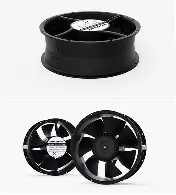
How to choose a fan dedicated to LED lights?
✅1. Common Misconceptions When Buying Led Fans: Don't Be Fooled by Parameters
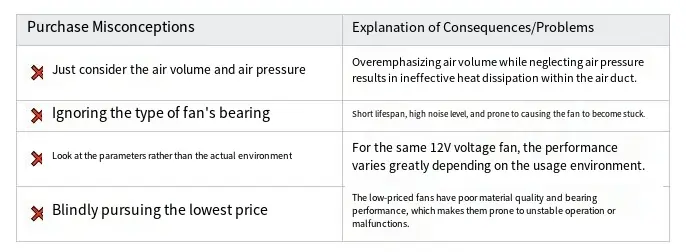
When choosing LED fans, many people often overlook the actual application environment and usage requirements, blindly following the trend and focusing only on parameters. The consequences of this could be:
✅ 2. Three Core Elements to Consider When Purchasing LED Fans
1). Airflow and Air Pressure: The Two Key Indicators for Heat Dissipation
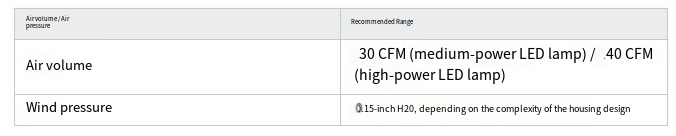
Airflow: It is defined as the volume of air displaced by the fan per minute. This parameter plays a crucial role in determining the effectiveness of heat dissipation, as it directly influences the rate at which heat can be removed from the system.
Wind Pressure: Wind pressure quantifies the fan's capacity to propel air. This property is particularly relevant in enclosed cavities, where it significantly impacts the efficiency of heat transfer by dictating how effectively air can be circulated within the space.
Note: It is important to note that for fans, high wind pressure does not inherently equate to high airflow. When making a selection, both factors should be carefully considered in conjunction with the specific heat dissipation structure of the lighting fixture to ensure optimal performance.
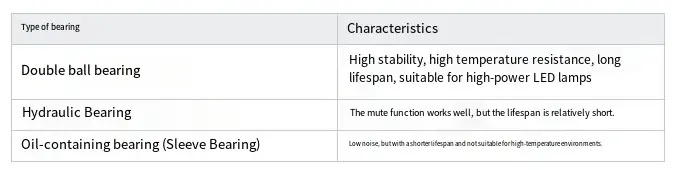
2). Bearing type: It is related to the lifespan and stability of the fan.
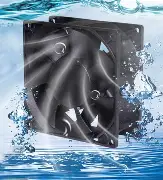
3). Protection Grade: Enhance the adaptability of LED fans
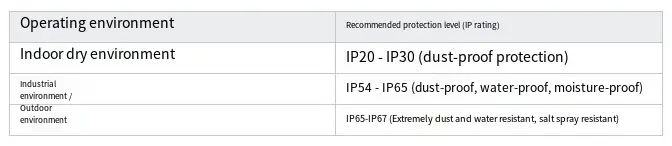
Note: The protection level requirements for fans vary in different scenarios. In special environments such as outdoor lighting, plant lights, and industrial lighting, it is essential to choose fans with high protection levels to prevent moisture and dust from entering the equipment.
3: How to Choose the Right LED Fan? Four Steps to Help You Select Easily
Step 1: Clarify the Working Environment of the LED Light •
Office/home lighting: Generally, moderate air volume, low noise and high stability are sufficient. •
Industrial and mining lighting / floodlights: Require high wind pressure resistance, better heat dissipation capacity and stability. •
Outdoor/Wet Environments: Fans with IP54 or higher protection ratings must be selected for water and dust resistance.
Step 2: Calculate Required Airflow and Static Pressure
Based on the power of the LED lights, the structure of the lamp housing, and the installation environment, calculate the appropriate airflow and wind pressure. Choose a fan with sufficient airflow to dissipate heat and prevent overheating of the LED chips due to poor air circulation.
Step 3: Select Appropriate Bearings and Noise Control
If noise is a critical factor (such as in stage lighting or indoor lighting), consider hydraulic bearings or low-noise designs. For applications requiring high stability, such as industrial lighting, dual ball bearings are more suitable.
Step 4: Choose Fans with Appropriate Protection Ratings Based on Budget
Different application scenarios have varying environmental requirements. A protection rating that is too low may lead to equipment failure or shutdown, affecting the stability of the entire system.
5. Conclusion: Don't Just Look at the Price When Choosing a Fan!
Correct selection of LED fans ensures long lifespan of lighting fixtures; wrong choice leads to early equipment failure!
•Understand the working environment, calculate the air volume and static pressure, and don't choose fans blindly.
•Pay attention to the type and protection grade of bearings to prevent equipment damage caused by high temperature and humidity.
•Don't just go for the cheapest option. Low-priced fans may lead to higher maintenance costs and equipment downtime.