



How does the cooling fan with an integrated temperature sensor detect temperature?
The Role of Integrated Temperature Sensors
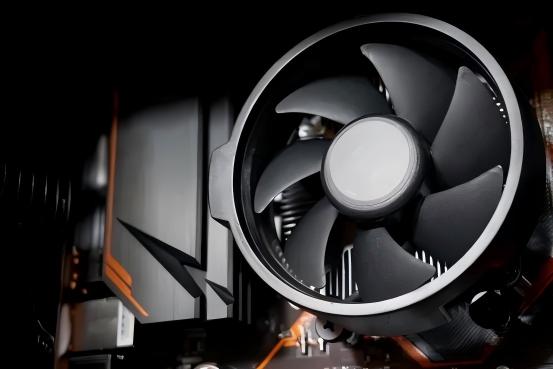
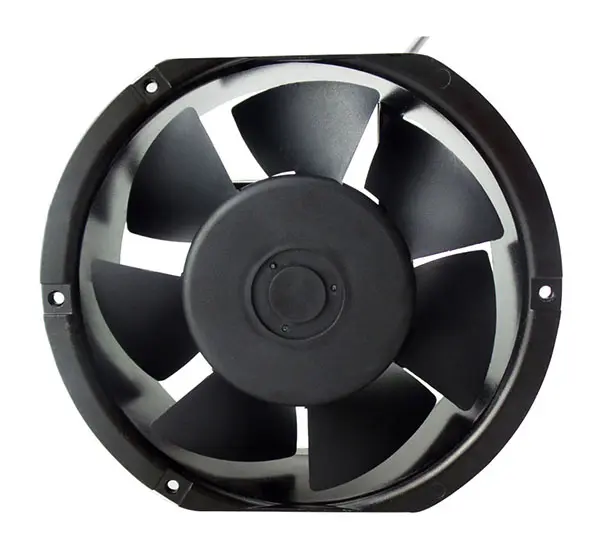
The Cooling Fan equipped with an integrated temperature sensor, as the name suggests, not only provides conventional cooling functionality but also incorporates temperature sensing and feedback capabilities. Its primary functions include:
1️⃣ Real-time Temperature Monitoring
Through the temperature sensor, the fan can continuously monitor temperature variations in the operating environment. For instance, when the temperature of the device or surrounding environment rises, the fan will automatically activate or increase its rotational speed to maintain appropriate thermal conditions.
2️⃣ Automatic Fan Speed Regulation
By integrating the temperature sensor with the fan's PWM (Pulse Width Modulation) speed control function, the fan adjusts its rotational speed in response to temperature changes. When temperatures are elevated, the fan accelerates its operation; conversely, it reduces speed or ceases operation at lower temperatures, thereby achieving energy efficiency.
3️⃣ Temperature Anomaly Alert
Certain fans with integrated temperature sensors can monitor whether the device's temperature exceeds predetermined thresholds. Upon detecting abnormal temperature increases, the fan will trigger an alarm signal, prompting the system to initiate emergency measures.
Operating Principles of Integrated Temperature Sensors
Integrated temperature sensors typically employ the following common temperature measurement principles:
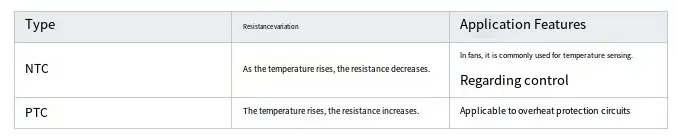
1️⃣ Thermistors (NTC/PTC)
A thermistor is a component that alters its resistance value in response to temperature variations. NTC (Negative Temperature Coefficient) thermistors exhibit a decrease in resistance value as temperature rises, whereas PTC (Positive Temperature Coefficient) thermistors demonstrate an increase in resistance value with temperature elevation.
2️⃣ Semiconductor Temperature Sensor
Semiconductor temperature sensors utilize the thermosensitive properties of semiconductor materials, where changes in temperature induce corresponding variations in current or voltage. These sensors exhibit high precision and are predominantly employed in applications requiring accurate temperature detection.
3️⃣ Thermocouple
Thermocouples determine temperature by measuring the thermoelectric voltage generated at the junction of two dissimilar metals. Their key advantages include rapid response time and extensive measurement range, making them particularly suitable for environments demanding real-time temperature monitoring.
The Correlation Between Temperature Sensors and Fan Speed Regulation
There exists a direct relationship between fan rotational speed and temperature. The integrated temperature sensor interacts with the fan's PWM (Pulse Width Modulation) speed control system to intelligently adjust fan velocity in response to temperature variations.
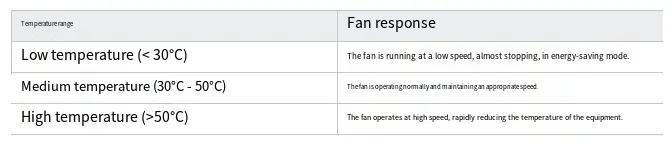
1️⃣ At Low Temperatures
When the device operates at lower temperatures, the temperature sensor detects the corresponding signal, resulting in reduced fan speed or even complete cessation of operation. This energy-saving mode contributes to extending the fan's operational lifespan while minimizing unnecessary power consumption.
2️⃣ At Moderate Temperatures
When the device operates within its normal temperature range, the temperature sensor provides an appropriate feedback signal, enabling the fan to maintain a stable rotational speed. This ensures optimal heat dissipation performance.
3️⃣ At High Temperatures
Upon detecting elevated device temperatures, the temperature sensor triggers an increase in fan speed, enhancing rotational velocity to rapidly expel heat. This mechanism prevents potential malfunctions caused by overheating.
Application Scenarios and Technical Advantages
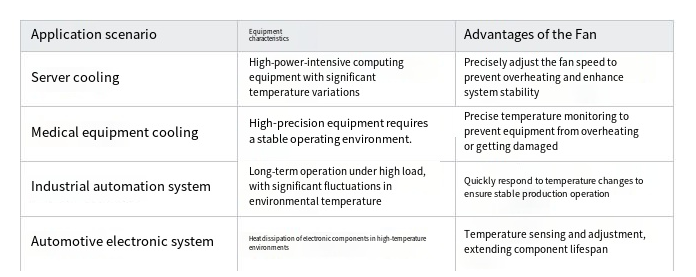
The integrated temperature sensor cooling fan is widely utilized in equipment requiring precise temperature control, with specific application scenarios including:
Maintenance and Precautions for Temperature Sensor Fans
To ensure the long-term stable operation of the built-in temperature sensor cooling fan in practical applications, the following maintenance recommendations are provided:
1. Regular Cleaning
The cooling efficiency of the fan is closely related to the cleanliness of its ventilation ports. Periodically remove dust and debris to ensure unimpeded airflow.
2. Temperature Sensor Calibration
Over time, temperature sensors may develop certain deviations. Regular temperature calibration is essential to ensure accurate temperature perception by the sensor.
3. Circuit Connection Inspection
Verify the stability of the connection between the fan and the motherboard or control system to prevent inaccurate temperature feedback due to poor contact.
4. Appropriate Fan Selection
Select suitable fans based on the cooling requirements of the equipment. For instance, the high-performance cooling fans provided by Shenzhen Fuqingda Electronics technology Co., Ltd. can precisely detect temperature changes and offer more efficient cooling solutions.
Conclusion
The integrated temperature sensor enables the cooling fan to not only perform traditional heat dissipation functions but also precisely detect and respond to temperature variations, thereby providing more intelligent thermal management. This smart regulation not only enhances the stability of the equipment but also effectively extends the service life of both the fan and the device. Shenzhen Fuqingda Electronics Technology Co., Ltd. offers a variety of cooling fans with built-in temperature sensors, suitable for various complex application scenarios. For more information on intelligent thermal control fans, please feel free to contact us at any time.