

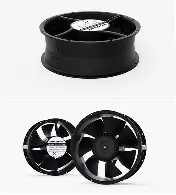
Does the design of the fan's air inlet have an impact on the noise level of the cooling fan?
1. The fundamental concept of Fan air inlet design involves the entrance through which air entersthe fan.
Air flows into the fan via the air inlet and is propelled by the fan impeller, generating airflow. The design of the air inlet significantly influences the fan's airflow distribution, flow stability, and noise generation. Typically, the air inlet design should ensure adequate airflow while minimizing resistance and turbulence during the airflow process to reduce noise.
The design of the fan's air inlet can encompass the following aspects:
• Air inlet size: The size of the air inlet determines the volume of air the fan can intake. If the air inlet is too small, it may restrict airflow; if it is excessively large, it could increase structural complexity.
• Air inlet shape: The shape design of the air inlet can affect the direction of airflow and the distribution of air volume.
• Air inlet edge design: Proper edge treatment of the air inlet can mitigate vortices and noise generated by airflow.
• Filter screen design at the air inlet: If the fan includes a filter screen, the aperture size and material of the filter screen can also impact airflow stability.
2. The correlation between air inlet design and fan noise generation
1),The shape of the air inlet significantly influences airflow characteristics and noise generation in fans. Irregularly shaped air inlets can induce turbulence and vortices as air passes through, leading to increased noise levels. Particularly at the edges of the air intake, flow rate instability may result in noise generation.
- Circular Air Inlet:
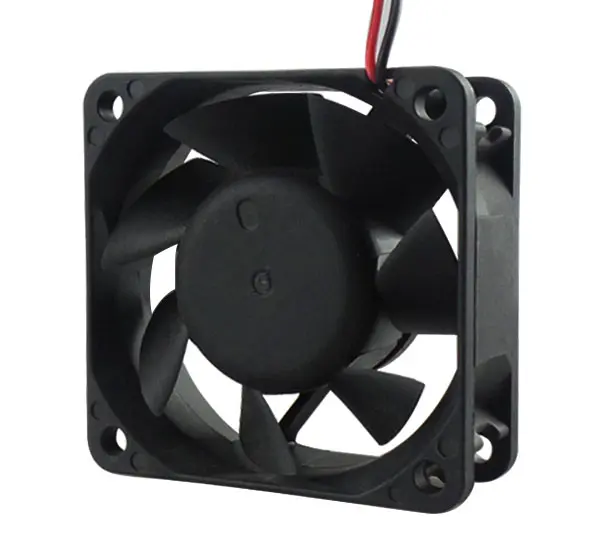
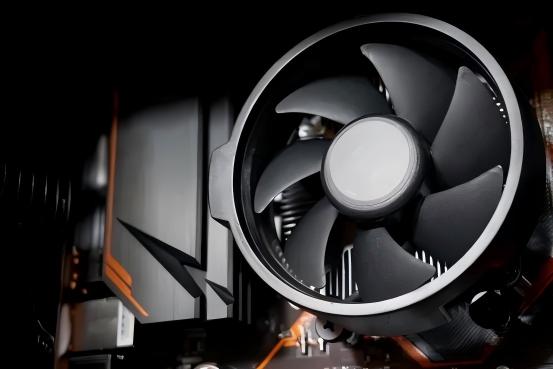
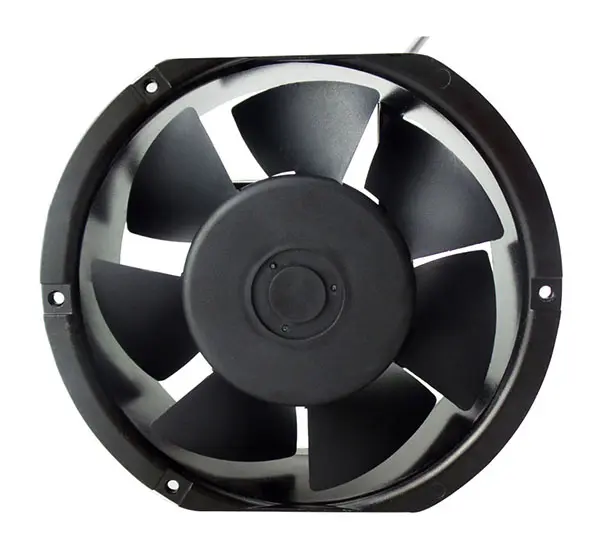
Compared to square designs, circular air inlets facilitate smoother airflow into the fan by minimizing friction and vortex formation, thereby effectively reducing noise.
- Progressive Design:
Implementing a progressive air inlet design (e.g., one that gradually widens from the air inlet edge to the fan blades) allows for more uniform airflow entry, reduces turbulence, and consequently lowers noise emissions.
2) Air Inlet Size and Noise Analysis
The dimensions of the air inlet play a critical role in determining the airflow rate of the fan. An inadequately sized air inlet can restrict airflow, leading to an increase in static pressure and subsequently elevating the operational noise of the fan. Conversely, an excessively large air inlet may cause the fan blades to operate at reduced wind speeds. While this might increase overall airflow, it could also result in uneven air velocity distribution, which in turn generates additional noise.
• Reasonable Design for Optimal Performance: Carefully designing the air inlet size ensures a balanced inflow of air, promoting smooth airflow and effectively minimizing noise generation.
3) Edge Design of the Air Inlet and Noise Reduction
The edge design of the fan's air inlet plays a critical role in noise reduction. Sharp edges are prone to cause airflow separation, which leads to turbulence and vortices in the airflow, significantly increasing noise levels. To address this issue, the following strategies can be implemented:
Smooth Edge Design:
By optimizing the geometry of the air inlet with smooth or chamfered edges, the resistance and vortices in the airflow can be minimized, thereby reducing operational noise.
Edge Coating or Treatment:
Applying specialized coatings or incorporating physical treatments, such as powder coating or flexible rubber sealing strips, on the edges can effectively mitigate noise during fan operation.
4) Design of the Filter Screen at the Air Inlet and Its Impact on Noise
Many fans are equipped with filter screens to prevent dust and debris from entering the device. However, the design of the filter screen can also significantly influence airflow dynamics, which in turn affects fan noise levels. The pore size and material of the filter screen directly determine the airflow capacity.
• Denser Filter Screens:
A denser filter screen increases air resistance, thereby reducing the airflow rate. To compensate for this reduction and maintain the same airflow, the fan must operate at a higher rotational speed, which consequently increases operational noise.
• Reasonable Pore Size Design:
To ensure unobstructed airflow while minimizing noise, the pore size and material of the filter screen should be carefully selected to achieve an optimal balance between airflow efficiency and noise control.
3. How to Optimize the Design of the Air Inlet for Noise Reduction?
1) Implement Gradual and Circular Designs
When designing the air inlet, incorporating gradual and circular designs can effectively guide airflow, minimize turbulence, and consequently reduce noise. A gradual design facilitates smoother airflow and prevents violent collisions between the airflow and fan blades.
2) Enhance Edge Design
Optimizing the edge geometry of the air inlet by making it more rounded and reducing sharp angles can significantly mitigate vortex formation in the airflow, thereby lowering noise generation.
3) Select an Appropriate Filter Screen
Choosing a filter screen with larger pore sizes reduces airflow resistance while ensuring good air permeability of the material. This minimizes the impact on fan airflow. Regular maintenance, including cleaning the filter screen, is also crucial for maintaining low-noise operation of the fan.
4) Ensure Compatibility Between the Air Inlet and Fan Blades
The size of the air inlet should be appropriately matched with the fan blade design to ensure optimal airflow rates. An undersized air inlet may lead to insufficient airflow, whereas an oversized one might cause unstable airflow, both of which can increase noise levels.