
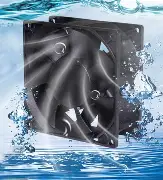
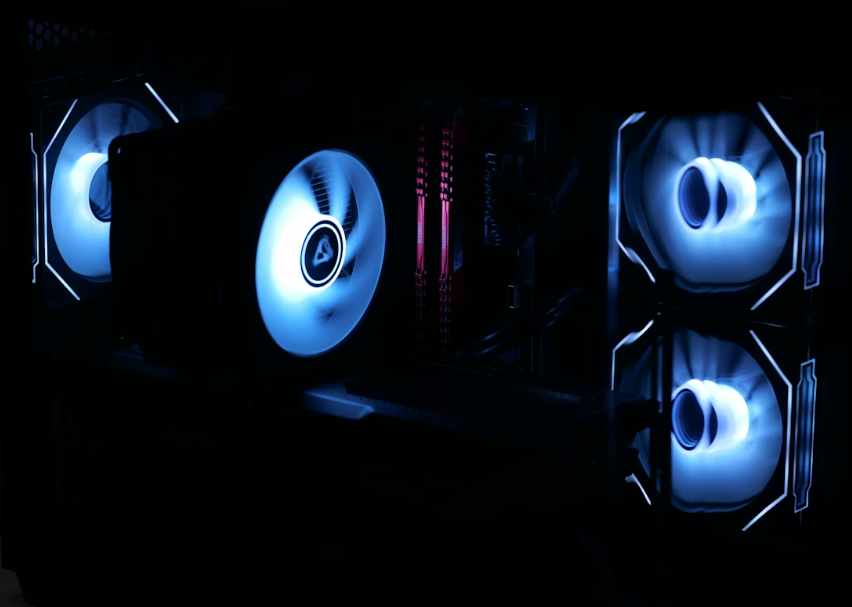
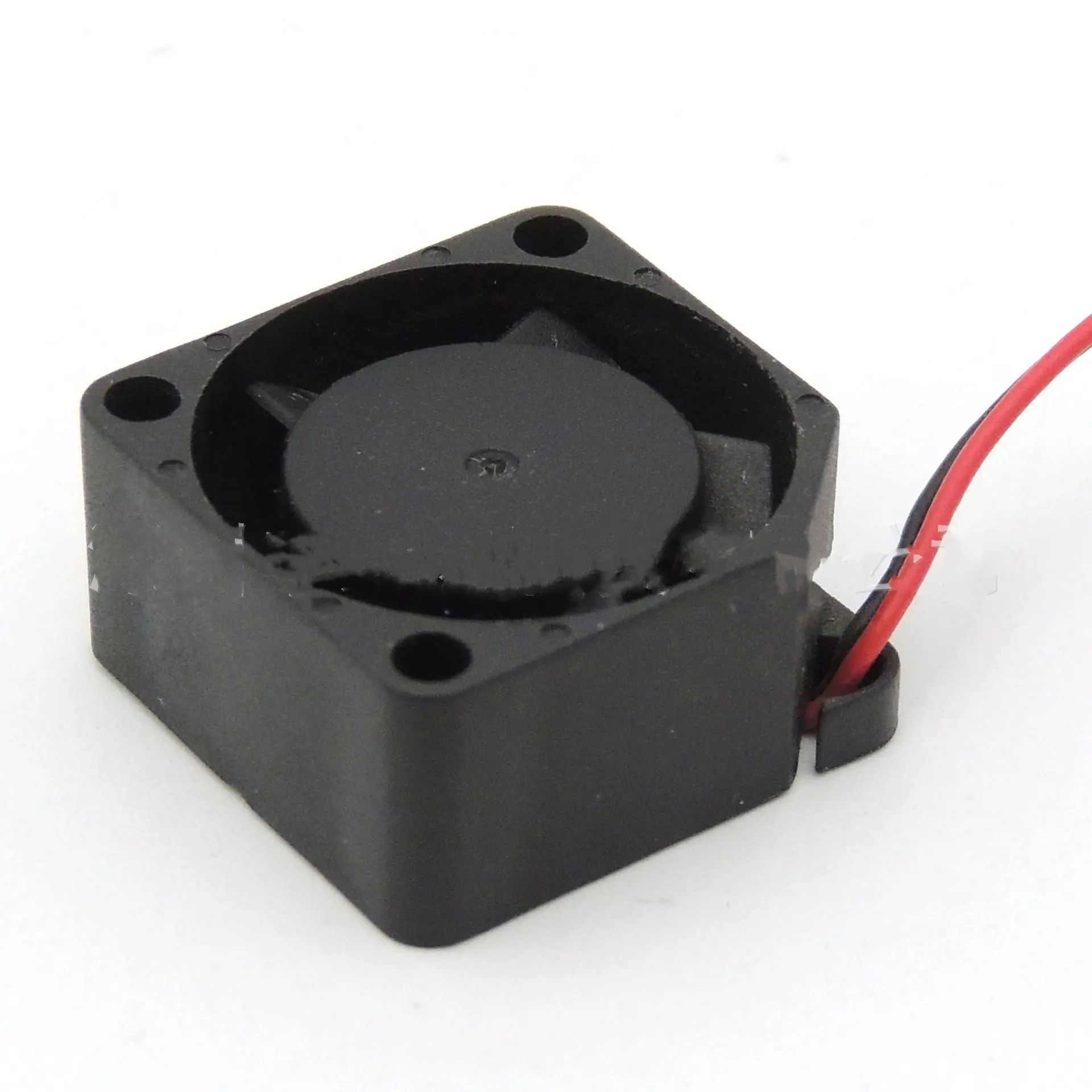
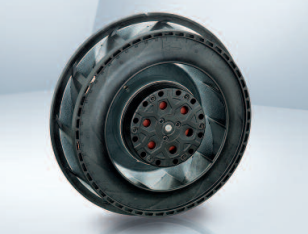

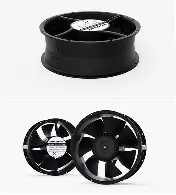
Does a higher rotational speed of the cooling fan mean better cooling performance?
I. Core Logic: The essence of cooling is "heat transfer", not "speed competition"
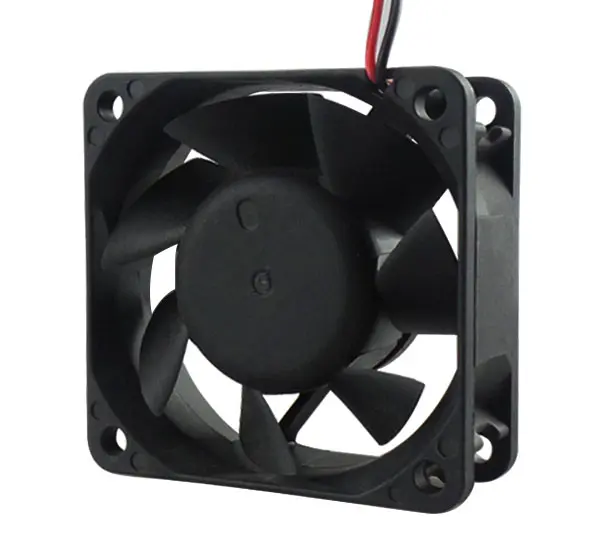
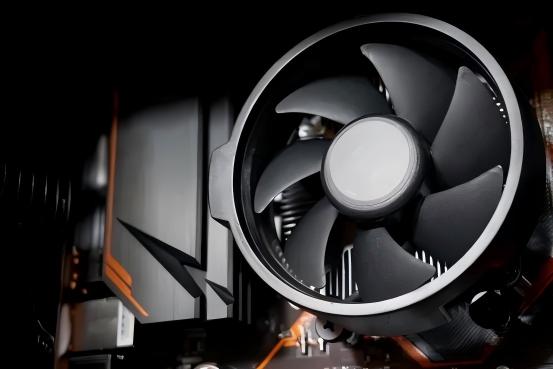
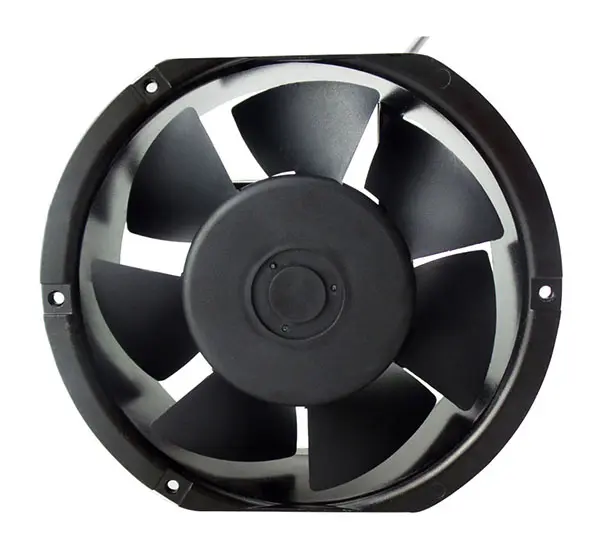
The core function of a Cooling Fan is to accelerate air flow and effectively remove the heat that is attached to heat-conducting components such as heat sink fins through forced convection. The key factor that truly determines the cooling efficiency lies in the volume of cold air that can flow through the cooling structure within a unit of time (i.e., air volume) and the ability of the airflow to penetrate the gaps between the heat sink fins (i.e., air pressure), rather than simply pursuing high rotational speed. Although rotational speed is one of the important parameters affecting air volume and air pressure, there is no strict linear proportional relationship among the three.
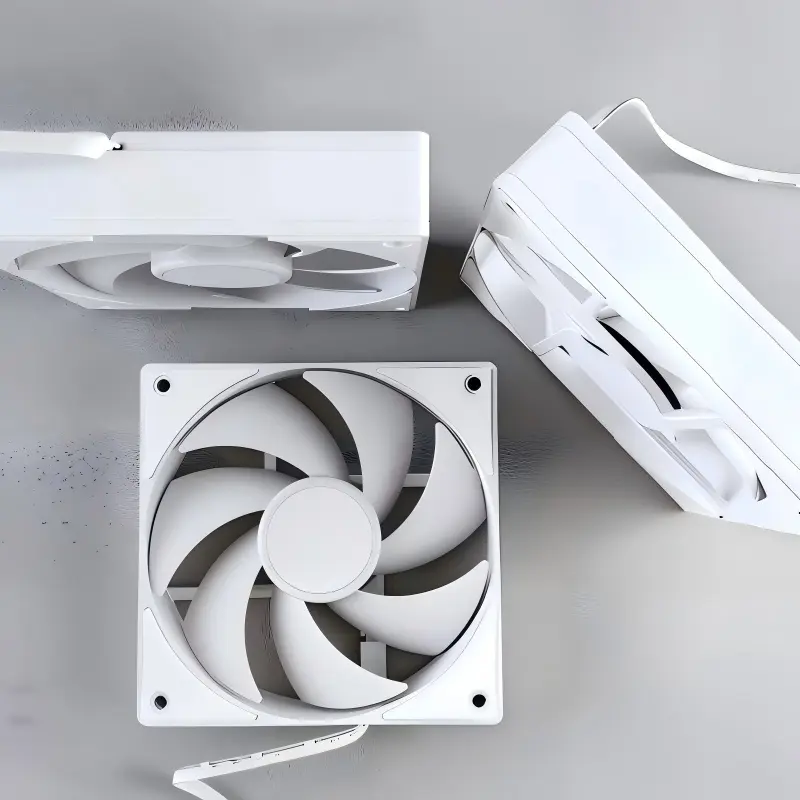
II. The Non-linear Relationship between Rotational Speed and Heat Dissipation Performance: Diminishing Returns beyond the Threshold
When the fan structure, dimensions, and blade design are fixed, increasing rotational speed within the low-speed range does lead to concurrent improvements in airflow volume and pressure, resulting in significantly enhanced heat dissipation performance. However, once the rotational speed reaches a critical point—referred to as the "effective threshold"—further increases yield progressively smaller benefits, entering a phase of diminishing returns.
Increased flow disturbance and elevated air resistance: At excessively high speeds, airflow through the fin gaps generates pronounced turbulence and vortex formation. These phenomena impede smooth heat transfer and increase aerodynamic resistance, thereby limiting the growth of effective volumetric airflow and potentially causing stagnation;
Decline in fan efficiency: Both motor efficiency and aerodynamic efficiency exhibit optimal operating ranges with respect to rotational speed. Beyond this optimal range, a greater proportion of electrical input energy is converted into acoustic noise and waste heat rather than useful airflow, thereby imposing an additional thermal burden on the cooling system;
Thermal density mismatch: When the thermal conductivity and surface area of the heat sink fins are inherently limited, even intensified airflow cannot accelerate the rate of heat transfer from the solid surfaces into the surrounding air. In such cases, higher fan speeds result only in redundant air recirculation, yielding no measurable improvement in cooling performance.
III. The "Side Effects" of High Rotational Speed: Further Weakening of Effective Heat Dissipation Value
Even if we ignore the phenomenon that the improvement in heat dissipation performance tends to reach saturation, the multiple negative impacts brought about by high rotational speed may still result in an overall benefit that is "not worth the cost", and even have adverse effects on the entire heat dissipation system and user experience:
The noise level has significantly increased: The rotational speed of the fan is approximately in an exponential relationship with the noise level. When the rotational speed doubles, the noise may rise by 10 to 20 decibels. Excessive operating noise not only reduces the user's comfort but may also mask the warning sounds generated by abnormal equipment operation, affecting the identification of faults;
Service life is shortened: Continuous high-speed operation accelerates the mechanical wear of the Fan Bearings, significantly shortening their service life, and thereby increasing the maintenance frequency and replacement cost of the equipment; at the same time, the motor's temperature rises under high-load conditions, which also affects the reliability and stability of the fan's long-term operation;
Power consumption increases: The higher the fan's rotational speed, the greater the power input required. For portable devices such as laptops and mobile power supplies that rely on battery power, this will directly lead to an increase in the overall system energy consumption, thereby significantly reducing the battery life.
IV. Correct Understanding: Key Factors Affecting Heat Dissipation Effectiveness
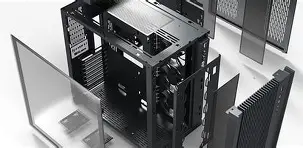
The core of evaluating the heat dissipation performance should focus on "whether efficient heat transfer can be achieved", rather than solely relying on the rotational speed. The key factors that truly determine the heat dissipation efficiency mainly include the following three aspects: Firstly, the aerodynamic design of the fan, including the shape of the blades, the installation angle, the number, and the structure layout of the inlet and outlet airways. These parameters directly determine the air volume and pressure generated at the same rotational speed; Secondly, the matching degree of the heat dissipation module, involving the material properties, thickness, density of the heat dissipation fins, and the thermal conductivity of the thermal conductive silicone grease, which form the basic path for heat transfer from the heat source to the environment; Thirdly, the rationality of the airflow organization, that is, whether the installation position of the fan and the overall air duct design are scientific, which directly affects whether the cold air can effectively cover the heating elements and whether the hot air can be promptly discharged outside the system.
V. Choose the appropriate rotational speed as needed, rather than pursuing "the higher the better"
The rotational speed of the cooling fan should be matched with the cooling requirements, the fan design, and the performance of the cooling module: Under the premise of meeting the cooling requirements of the equipment, choosing "the lowest rotational speed that can achieve a cooling balance" is the optimal solution. For example, for a daily office laptop, a low rotational speed can meet the cooling requirements; while for a high-performance gaming laptop running at full load, the fan will increase its rotational speed, but this increase in rotational speed is "a reasonable adaptation of the cooling module" rather than simply "the higher the better".
Core misunderstanding correction: Rotational speed is "a means", not "the goal". The core of heat dissipation effect is "efficient transfer of heat through airflow". Discussing rotational speed without considering fan design, heat dissipation module, and airflow organization is simply putting the cart before the horse.