

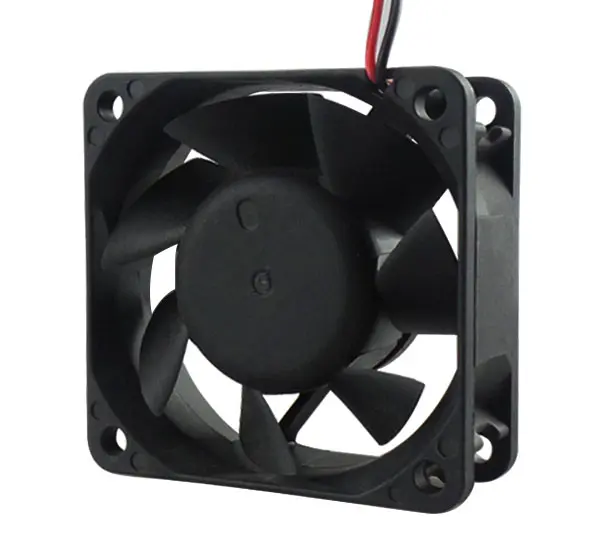

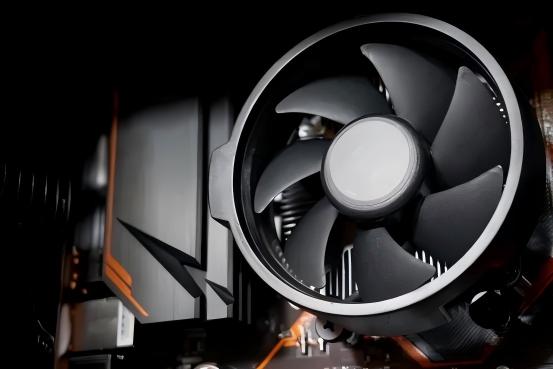
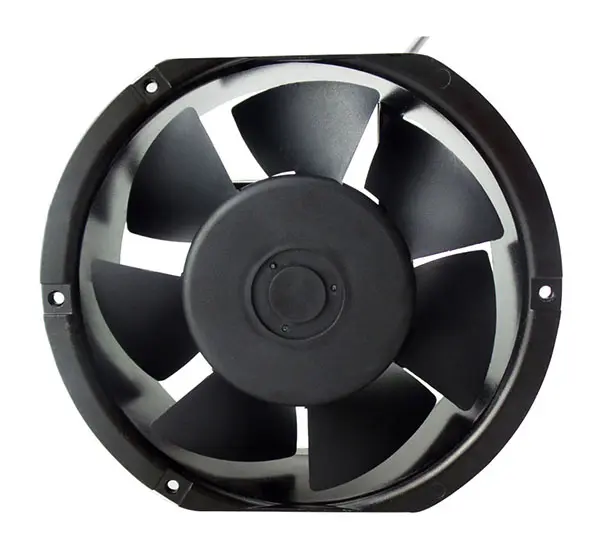
Cooling Fan Basics
1. **Fan Size**:
This parameter represents the physical dimensions of the fan, typically measured in millimeters (mm).
2. **Rated Voltage**:
Expressed in volts (V), this refers to the optimal voltage at which the Cooling Fan operates efficiently over an extended period.
3. **Speed**:
Measured in revolutions per minute (RPM), this indicates the number of rotations completed by the fan blades in one minute.
4. **Airflow**:
One of the most intuitive indicators of a fan's performance, airflow is generally measured in cubic feet per minute (CFM).
5. **Current Consumption**:
Represented in amperes (A) or milliamperes (mA), this parameter reflects the power consumption of the fan during operation.
6. **Wind Pressure**:
A measure of the fan's blowing force, expressed in pascals (Pa) or millimeters of water column (mmH2O).
7. **Bearing Type**:
The bearing is a critical component of the cooling fan, significantly impacting its longevity and reliability. It is one of the key factors to consider when selecting a fan.
8. **Noise Level**:
Typically measured in decibels (dBA), noise level is an important parameter for users concerned about operational sound levels.
9. **Optional Features**:
Additional functionalities may include feedback signals such as FG (Frequency Generator) or RD (Rotation Detection), as well as speed control mechanisms like PWM (Pulse Width Modulation).