

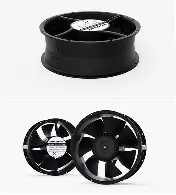
Choosing the Right Fan: Optimal Cooling for Trouble-Free Server Operation
When selecting a server Fan, there are several core criteria that must be considered. The first is air volume. The fan must be able to move enough air to dissipate the heat generated by the server components. Inadequate airflow can lead to overheating, which can result in potential server failure and costly downtime.
Static pressure is another critical factor. In a server environment, airflow paths can be blocked by components and cables, so high static pressure fans are essential. This ensures that air can effectively reach all areas of the server, maintaining consistent temperatures at all times.
Noise levels are also an important consideration. While performance is critical, excessive noise can be disruptive in an environment with multiple servers installed. Selecting fans that balance airflow and noise levels can create a more pleasant working atmosphere without compromising cooling efficiency.
Reliability cannot be overlooked. Server fans run constantly, and any failure can cause serious server problems. Choosing high-quality, durable fans with a proven track record can reduce the risk of unexpected failures.
To sum up, choosing a good fan is not as simple as picking a model at random. It requires careful consideration of factors such as air volume, static pressure, noise, reliability, etc. Only by following these core standards for selecting server fans can we ensure the cooling effect, avoid server failures, and ultimately achieve a more efficient and stable server environment.