

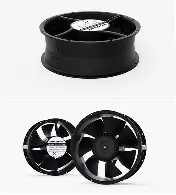
Blowing versus suction: Which airflow configuration is more effective for cooling fan performance?
I. Blowing and Suction Modes of the Cooling Fan
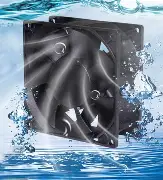
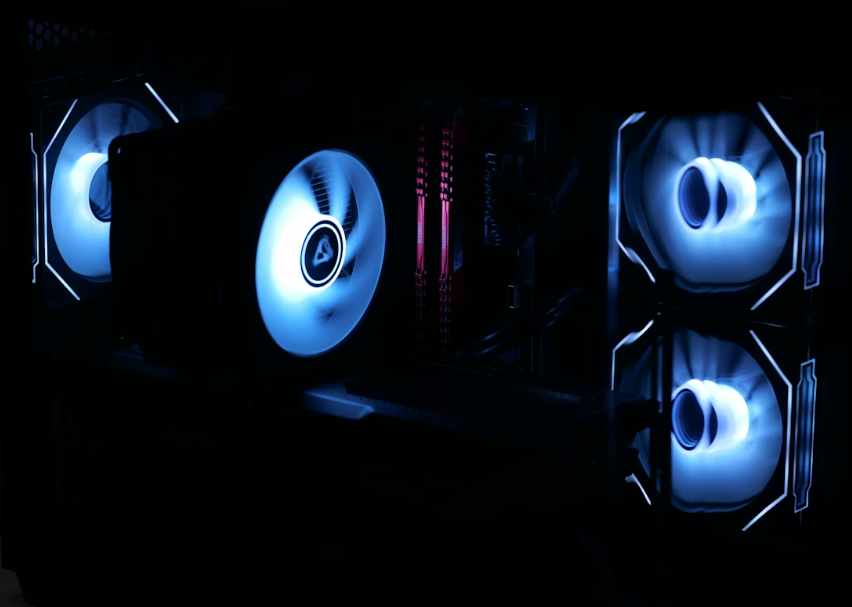
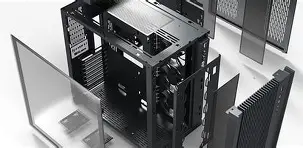
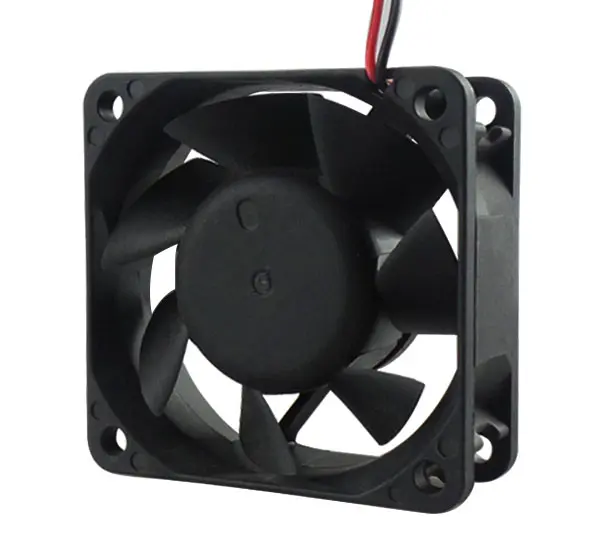
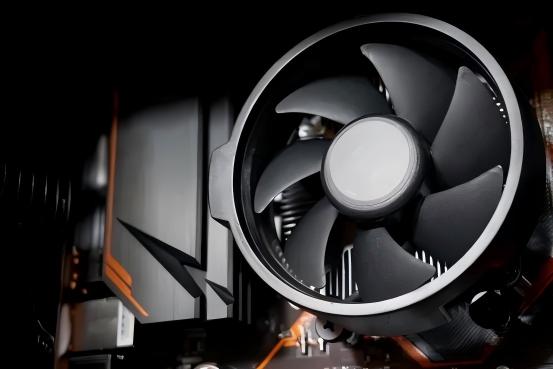
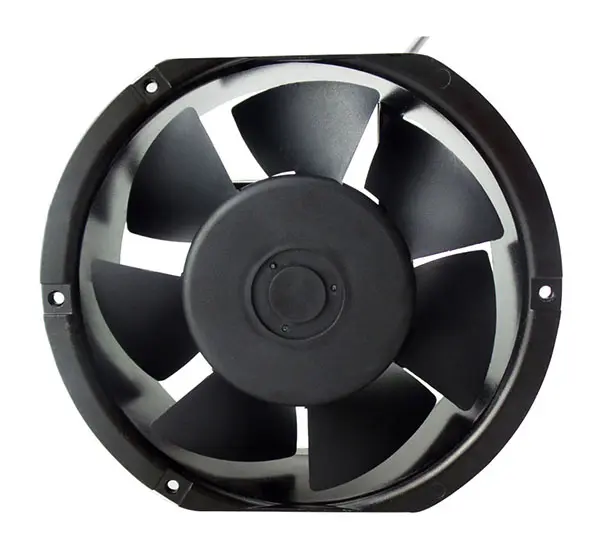
The blowing and suction modes of a cooling fan are determined by its rotation direction. When the rotation direction of the fan blades is consistent with the expected airflow direction, the fan is in the blowing mode, actively pushing external air into the device. When the rotation direction is opposite to the expected airflow direction, it enters the suction mode, extracting internal hot air to the external environment through negative pressure. The two modes have different mechanisms of action in terms of airflow organization and heat exchange efficiency.
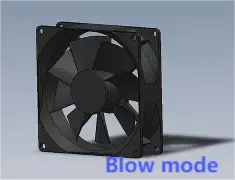
II. The Impact of Blower Mode on Heat Dissipation Effectiveness
In the blower mode, the cooling fan forces air to flow into the device, enhancing convective heat transfer and facilitating rapid heat dissipation. This mode significantly improves the cooling efficiency of the surface of key heat-generating components inside the device, thereby enhancing the overall heat dissipation performance. Therefore, the blower mode plays a positive role in improving thermal management efficiency. Additionally, the high-speed airflow entering the device helps reduce the accumulation of dust in the heat dissipation channels and on the surface of components, maintaining the cleanliness of the system to a certain extent and extending the service life of the device.
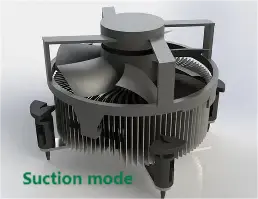
III. The Impact of Suction Mode on Heat Dissipation Effectiveness
In suction mode, the cooling fan removes internal hot air by drawing it out, thereby establishing a negative-pressure airflow environment. However, in certain installation or structural configurations, this mode may hinder the inflow of external cool air, reduce intake efficiency, and consequently impair overall convective heat transfer performance. As a result, heat is not efficiently extracted from critical heat-generating components in a timely manner, leading to localized temperature increases and a reduction in thermal performance. Therefore, under specific conditions, the suction mode may have a detrimental effect on thermal management. Nevertheless, in particular application scenarios—such as enclosed environments or systems with restricted front-end air inlets—the suction mode can facilitate the directional expulsion of heated air through active exhaust mechanisms, thereby mitigating localized heat accumulation and providing a degree of supplementary cooling effectiveness.
The blowing and suction modes of the cooling fan both have significant impacts on the heat dissipation effect. In the blowing mode, the fan effectively enhances air flow by forced air supply, improving convective heat transfer efficiency and significantly improving heat dissipation performance. However, in the suction mode, although it may restrict the smooth inflow of external cold air and reduce the intake efficiency, in a closed or ventilation-limited environment, this mode can promote the directional exhaust of hot air by creating a negative pressure environment, which helps alleviate local heat accumulation. Therefore, when choosing the installation direction of the cooling fan, the design goal should be clearly defined based on actual application requirements - whether to prioritize rapid heat dissipation or optimize air flow organization to extend the distance of hot air transportation. At the same time, key performance indicators such as the structural design, air volume, static pressure, noise, and long-term operational stability of the cooling fan should also be comprehensively considered to ensure the reliability and effectiveness of the thermal management system. The cooling fan products provided by Shenzhen Fuqingda Electronic Technology Co., Ltd. have excellent performance and quality assurance, and can provide efficient and stable heat dissipation solutions for various electronic devices.