

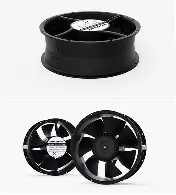
Applicability Analysis of the 17251 and 9238 Cooling Fans for Hydrogen Fuel Cell Unmanned Aerial Vehicles (UAVs)
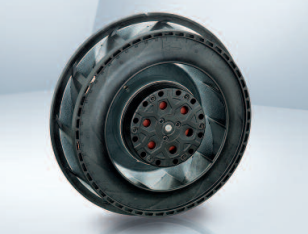
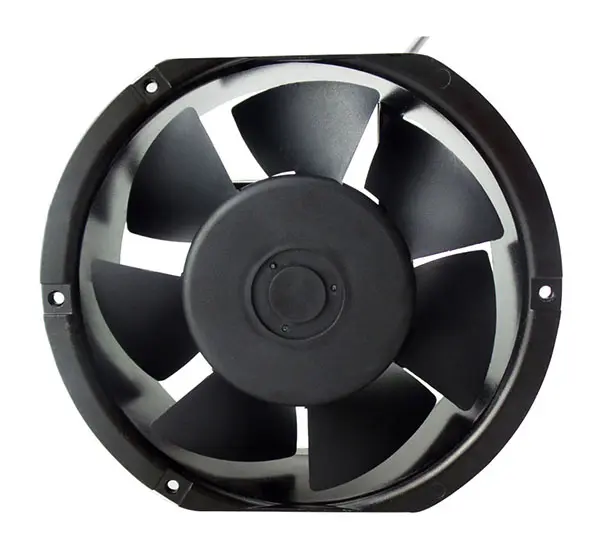
17251 Cooling Fan Advantages:
The large size of this cooling fan enables it to generate substantial airflow and wind pressure. For devices that produce significant heat, such as hydrogen-fueled drones, this fan can effectively enhance airflow and dissipate more heat provided there is adequate space. It is particularly suitable for hydrogen-fueled UAVs with high heat dissipation requirements and ample fuselage space. The fan features a double ball bearing and full copper coil design, which ensures superior operational stability and longevity. Weaknesses: Due to its considerable volume and weight, this fan may impact the flight performance and maneuverability of UAVs with stringent weight and space constraints.17251
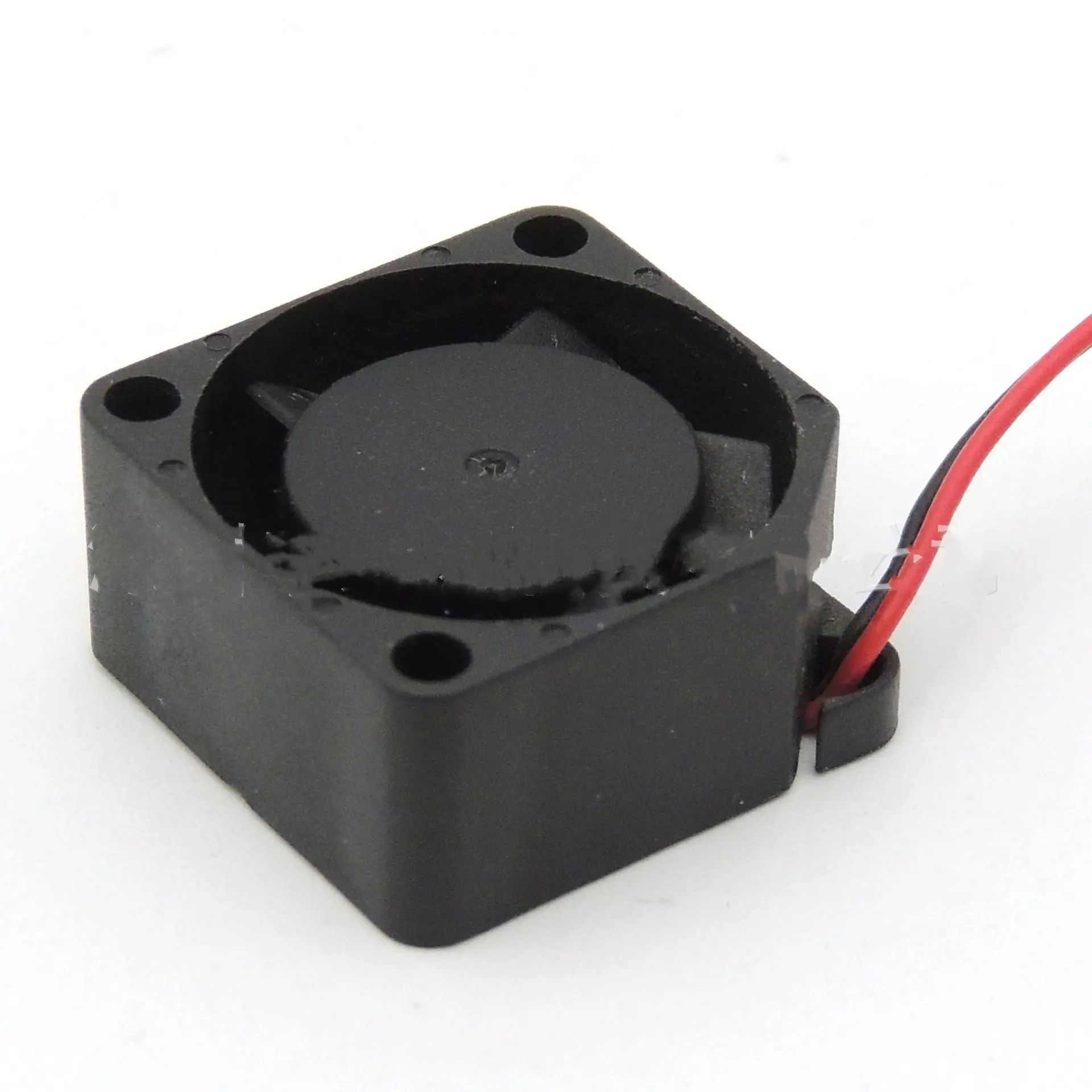
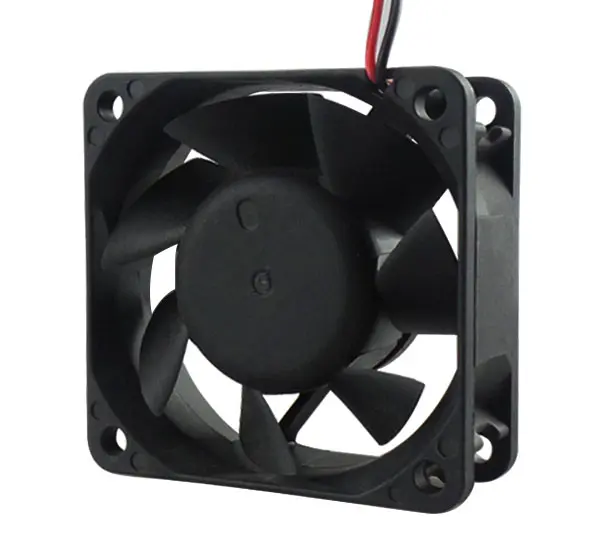
The 9238 cooling fan offers several advantages:
Its compact size and lightweight design make it easy to install in the confined internal spaces of hydrogen fuel UAVs, with minimal impact on the overall weight and flight performance. The 48V voltage is compatible with the UAV's power system, and the PWM speed regulation function allows for flexible adjustment of fan speed based on varying operating conditions and heat generation, ensuring precise thermal management and energy efficiency. However, compared to the 17251 cooling fan, the 9238 has a smaller airflow capacity. If the heating power of the hydrogen fuel UAV is substantial, multiple 9238 fans may be required to meet cooling demands, potentially increasing installation complexity and costs. Additionally, high-speed operation may generate significant noise, which, while less critical during flight, can cause inconvenience during ground testing and other stages.
Other considerations for choosing cooling fans for hydrogen-fueled drones
Simple heat dissipation requirements:
According to the power size of the hydrogen fuel UAV, the distribution of heating elements and heat, determine the required cooling fan air volume, wind pressure and other parameters. In general, the greater the power and the more heating components, the stronger the heat dissipation capacity required.
Space limitation:
The space inside the hydrogen-fueled UAV is limited, and it is necessary to choose a cooling fan of the right size to ensure that it can be reasonably installed inside the UAV without affecting the normal work of other components.
Power system:
The working voltage and current of the cooling fan should be matched with the power system of the hydrogen-fueled UAV to ensure that the fan can work normally, while avoiding excessive burden on the power system.
Reliability and durability:
the use of drones may be more complex, and the cooling fan needs to have high reliability and durability, and can work stably under different temperature, humidity, vibration and other conditions.