


News
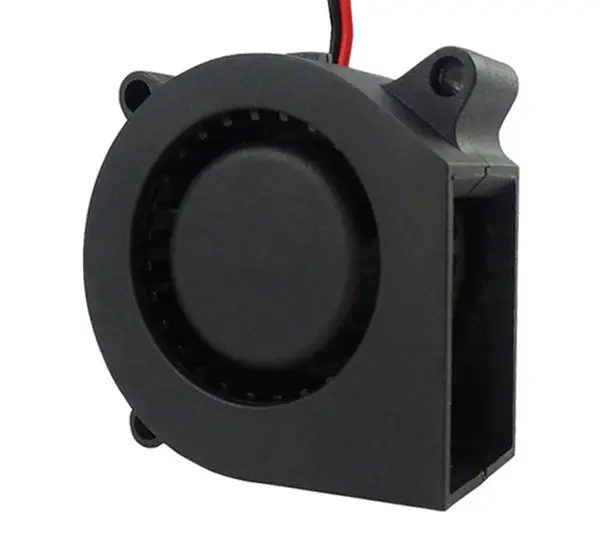
Which type of bearing is more suitable for high-load server environments?
In a high-load server environment, selecting the appropriate cooling fan bearing is of critical importance. Based on our research and extensive industry experience, the Dual Ball Bearing (also referred to as Two Ball Bearing) is undoubtedly the optimal choice.
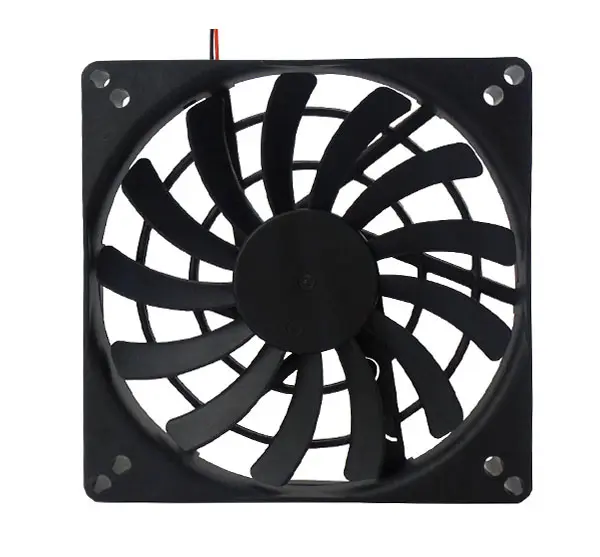
How do the DC motor and AC motor of the cooling fan influence the sound pressure level?
The Cooling Fan is a critical component for ensuring the normal operation of the system and extending its service life. Based on the type of motor, cooling fans can be categorized into two types: DC motors and AC motors. There are substantial differences between these two motor types in terms of structure, drive mechanism, power consumption, and noise level, particularly with regard to their impact on sound pressure levels. In this article, we will explore the distinct impacts of DC motors and AC motors on the sound pressure levels of cooling fans and provide recommendations for selecting the appropriate fan type.
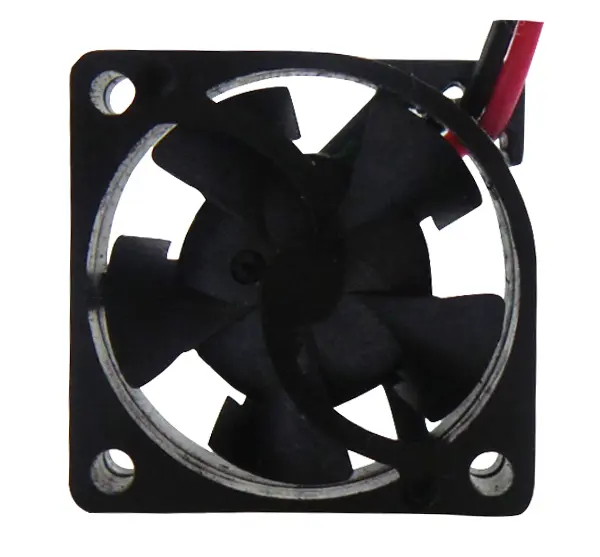
What is the impact of air volume quantification on the cooling performance of equipment?
In modern industrial applications and electronic devices, the role of cooling fans is critically significant. By continuously circulating air, these fans facilitate the dissipation of excess heat, thereby ensuring the stable operation of equipment. As a key determinant influencing heat dissipation efficiency, accurately quantifying airflow and comprehending its impact on equipment cooling performance is an essential consideration in the design and selection of heat dissipation solutions. This article will begin with the definition of airflow to examine how its quantification affects equipment cooling performance, as well as the critical factors to consider when selecting a cooling fan.
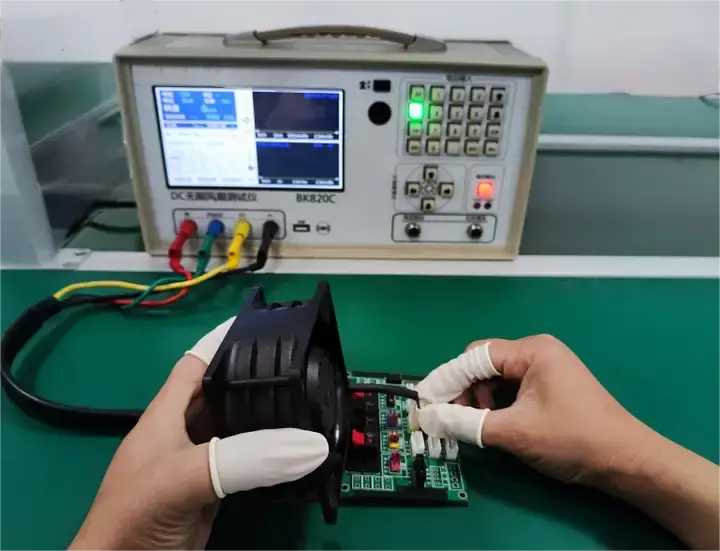
What quality assurance tests must cooling fan production undergo prior to shipment?
As an indispensable component in electronic devices, the quality of cooling fans directly influences the stability and service life of the equipment. As a leading enterprise in the cooling fan industry, Fuqingda fully recognizes the importance of quality control. Following the production and completion of the cooling fans, we carry out a series of comprehensive and rigorous tests to ensure that each fan complies with high-quality standards. This article provides an in-depth analysis of the comprehensive testing procedures conducted by Shenzhen Fuqingda Electronic Technology Co., Ltd. on cooling fans.
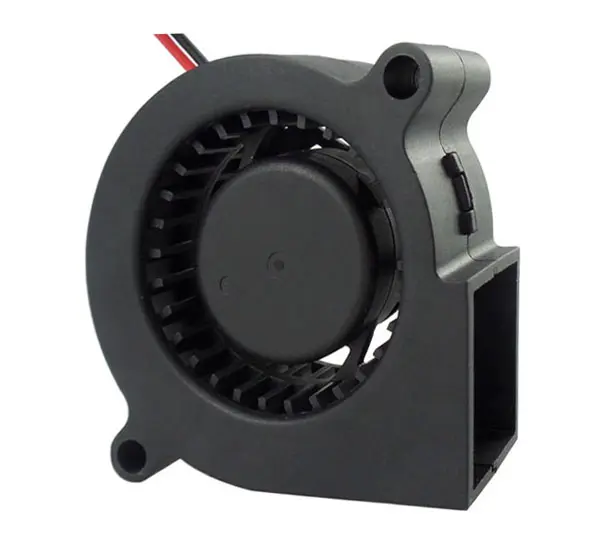
When the current size remains constant, is the maximum rotational speed of the cooling fan also maintained at a constant level?
When the size of the cooling fan is held constant, the maximum rotational speed of the cooling fan is not fixed. This is because the rotational speed is influenced by multiple factors, with current being just one of them. Current plays a critical role in driving the motor of the cooling fan. When voltage and other conditions remain unchanged, an increase in current typically enhances the motor's torque, thereby increasing the rotational speed of the cooling fan. However, this does not imply that when the current is held constant, the maximum rotational speed of the cooling fan will remain unchanged.
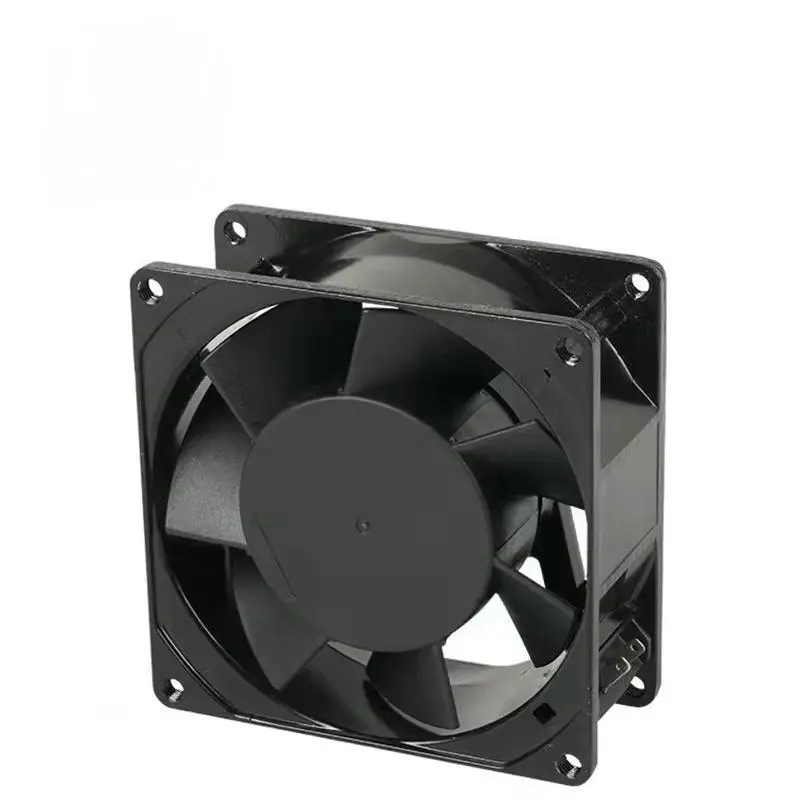
How does the sound pressure level fluctuate when the rotational speed of the cooling fan becomes unstable?
In numerous industrial and electronic applications, the stability of cooling fans is essential for ensuring optimal system performance. An unstable rotational speed of the fan can compromise heat dissipation efficiency and lead to fluctuations in sound pressure levels. This paper aims to investigate the variations in sound pressure levels caused by unstable fan rotation speeds and propose methods to mitigate the impact of such fluctuations on noise generation.
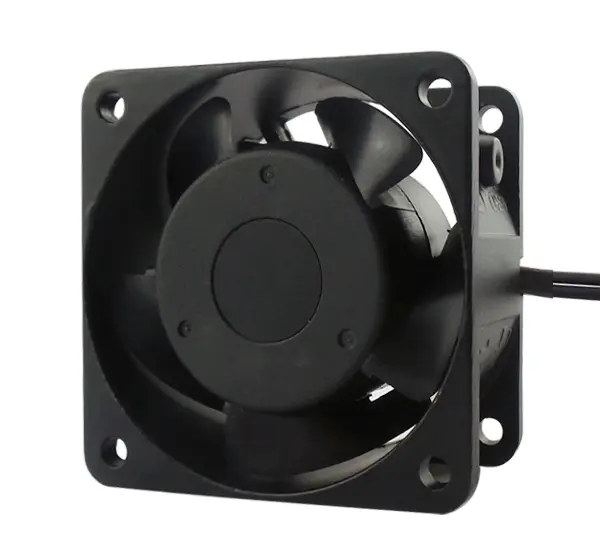
Fochingda fans can be used to verify whether the heat dissipation performance of your device is in its optimal condition.
Heat dissipation challenges are progressively emerging as a critical factor influencing the stable performance and longevity of equipment. Regardless of whether the device is a server, power supply unit, or high-performance computer, excessive thermal accumulation can result in performance degradation and potential hardware failure.
Consequently, addressing heat dissipation effectively to ensure optimal equipment operation has become an essential consideration for all equipment users. Fuqingda fans, leveraging their advanced heat dissipation technology and diverse product offerings, have established themselves as an ideal solution for the thermal management requirements of various devices. This article aims to elaborate on the technical characteristics and application scenarios of Fuqingda fans, assisting users in evaluating the heat dissipation efficiency of their equipment and providing tailored thermal management solutions.
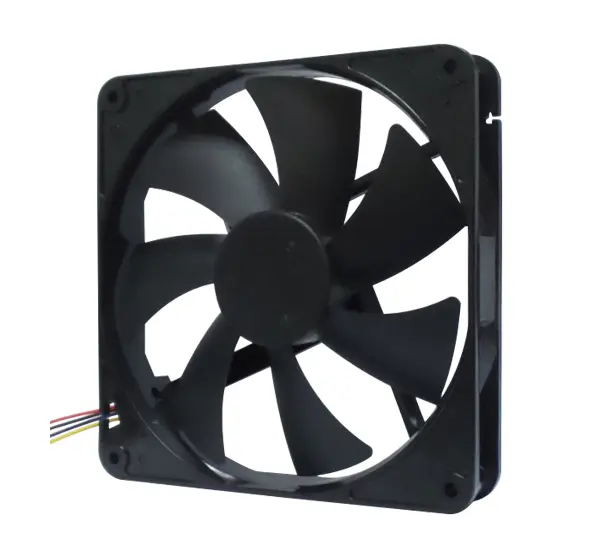
Will the ventilation resistance of the cooling fan increase as the fan undergoes prolonged use and ages over time?
Cooling fans represent essential components in modern electronic devices and are extensively utilized in computers, communication equipment, industrial machinery, and other domains. As operational time accumulates, fans may experience performance degradation due to various influencing factors. A frequently asked question pertains to whether the ventilation resistance of a fan increases as it ages. This article aims to comprehensively analyze the effects of fan aging on ventilation resistance and propose practical solutions to assist users in extending the service life of fans while preserving their optimal heat dissipation capabilities.
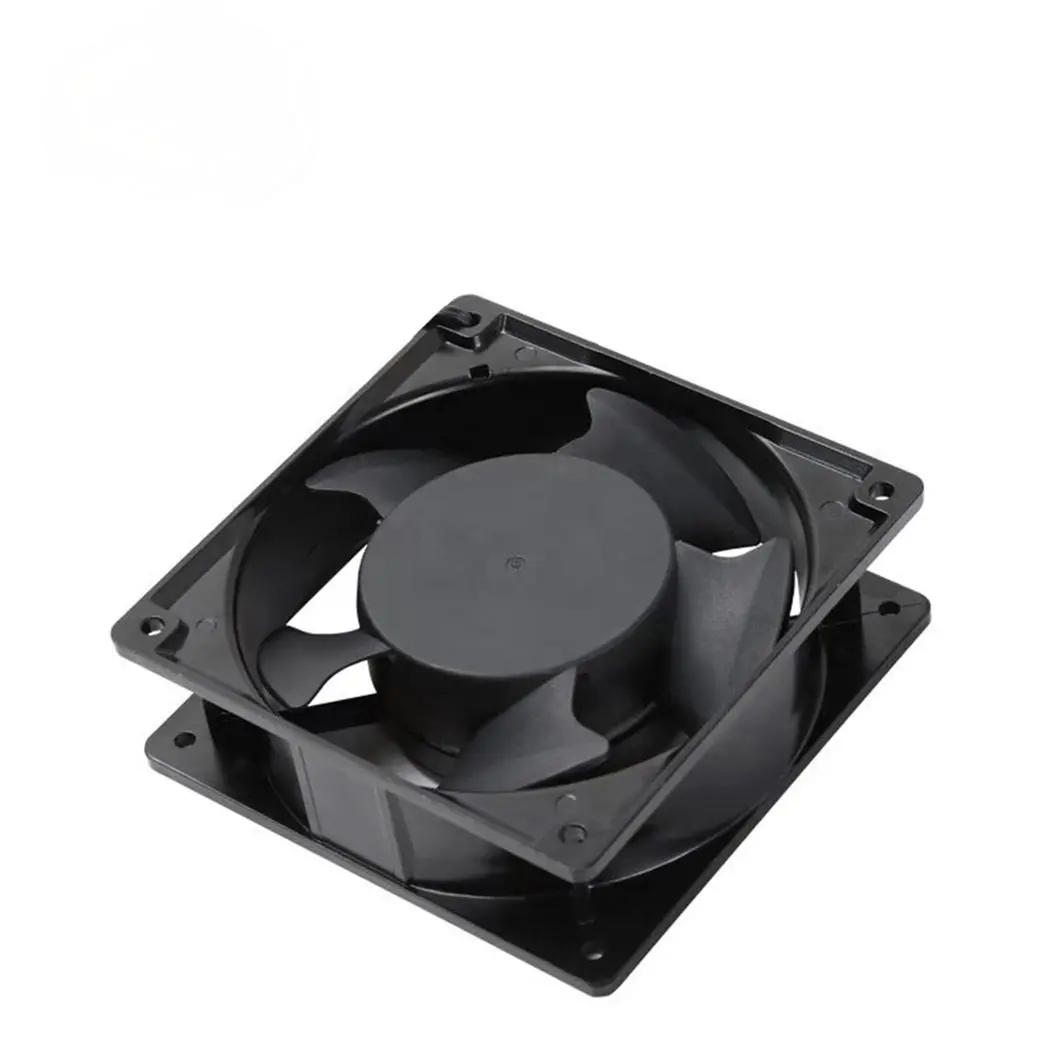
What are the key distinctions between air cooling and convection cooling?
In the domain of thermal management for electronic devices, air cooling and convection cooling represent two prevalent heat dissipation methodologies.
Air cooling is a heat dissipation technique that employs airflow generated by fans to remove heat from a system. This method typically comprises a heat sink and a fan, where the fan blows over the heat sink to extract heat from the heat source (e.g., CPU or GPU) and expel it from the system. Air-cooled heat sinks collaborate with metallic heat sinks and fans to reduce temperatures. Heat sinks are commonly fabricated from aluminum or copper due to their high thermal conductivity, enabling efficient heat transfer from the heat source to the heat sink. The fan enhances airflow, facilitating the removal of heat via the heat sink.
Convective heat dissipation refers to a heat transfer mechanism where heat is transferred through the movement of fluids (gases or liquids). In this process, when the surface temperature of an object is elevated, warm air rises and is replaced by descending cooler air, creating a convective cycle. Convective heat dissipation can occur naturally or be forced. Natural convection relies on the buoyancy-driven movement of fluids, where hot air rises and cold air descends, forming a natural circulation. Forced convection utilizes external forces, such as fans or pumps, to drive fluid flow, thereby accelerating heat transfer.
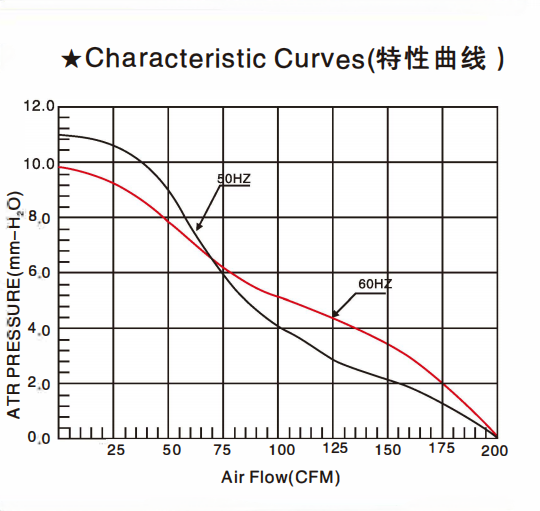
What is the relationship between the ventilation resistance of a cooling fan and its static pressure characteristics?
In the application of cooling fans, ventilation resistance and static pressure characteristics are two critical performance indicators that are closely interrelated and significantly influence cooling efficiency. A thorough understanding of their relationship is essential for the proper selection and effective utilization of fans, particularly in scenarios such as high-density equipment heat dissipation, industrial equipment cooling, and applications requiring high-performance air-cooling systems. This paper aims to comprehensively analyze the correlation between ventilation resistance and static pressure characteristics, as well as their implications for the operational performance of cooling fans.