

News
What is the rationale behind establishing a minimum and maximum operating temperature limit for the cooling fan?
Cooling Fans are an essential component of electronic devices, as they dissipate heat through air movement to ensure the proper functioning of the device. Nevertheless, the operating temperature range of cooling fans is not unlimited; instead, it is bounded by specific minimum and maximum limits. Below, we outline several reasons for these limitations and their implications for device performance.
Is your device operating at its optimal cooling efficiency? Verify with Fuqingda's fan products!
In contemporary electronic devices, the issue of heat dissipation has progressively emerged as a critical factor influencing both the stable operation and longevity of equipment. Regardless of whether the device is a server, a power supply unit, or a high-performance computer, excessive thermal buildup can lead to performance degradation and potentially cause hardware failure. Consequently, addressing heat dissipation effectively and ensuring that equipment operates at optimal conditions has become a significant challenge that every user must confront. With its advanced cooling technology and diverse product range, Fuqingda fans have established themselves as an ideal solution for various cooling requirements. This article examines the technical characteristics and application scenarios of Fuqingda cooling fans, aiming to assist in evaluating the thermal management efficiency of devices and providing superior heat dissipation solutions.
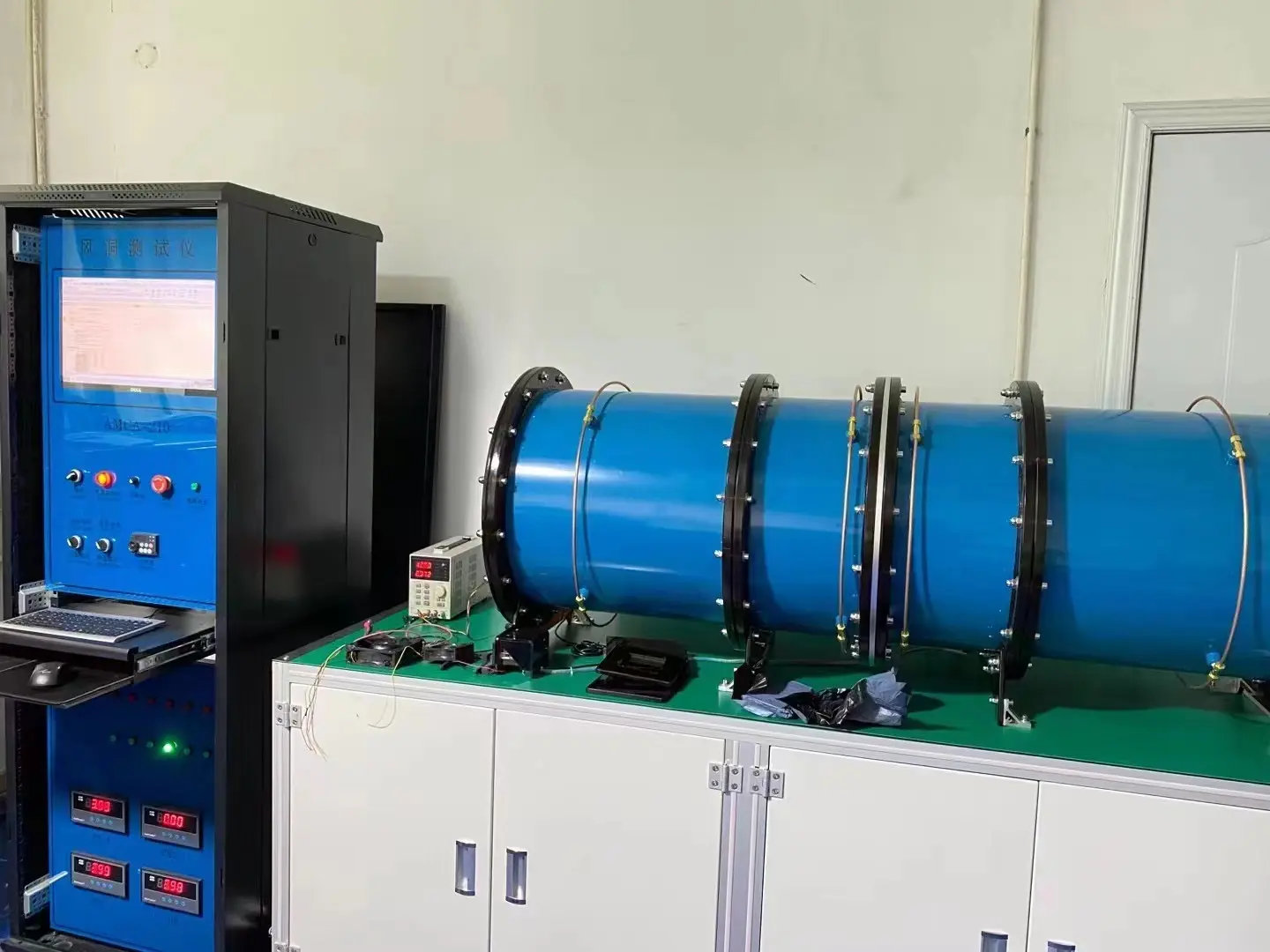
Method for Measuring Static Pressure of a Cooling Fan
In the assessment of air flow and fan performance, static pressure represents a critical parameter. It not only directly influences the efficiency of the fan but also significantly impacts the design and operation of the entire ventilation system. Through the measurement of static pressure, a deeper understanding of air flow dynamics within the system can be achieved, thereby facilitating the optimization of equipment design and operational performance. Nevertheless, the accurate measurement of static pressure poses considerable challenges, particularly in complex flow environments. This article will comprehensively examine the challenges, methodologies, and technical complexities associated with static pressure measurement, providing insights into why this technique is not straightforward.
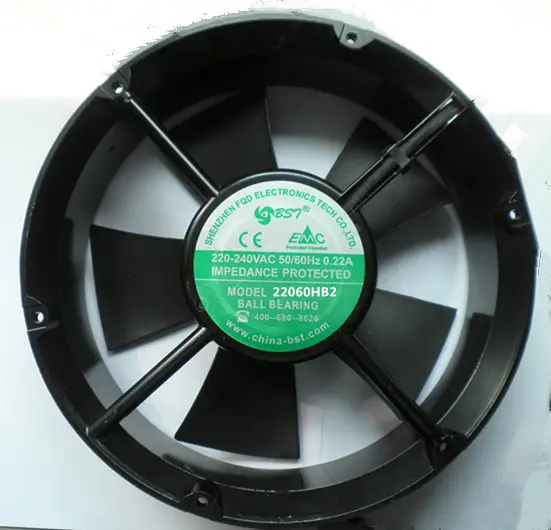
Cooling fan product introduction of Fuqingda Electronic Tech Co., Ltd.
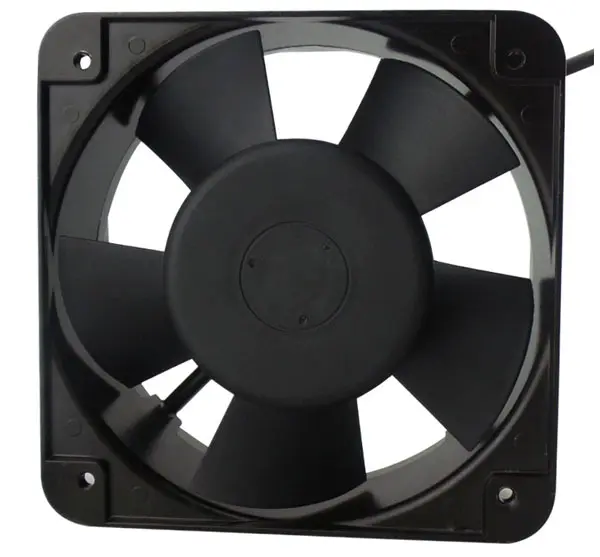
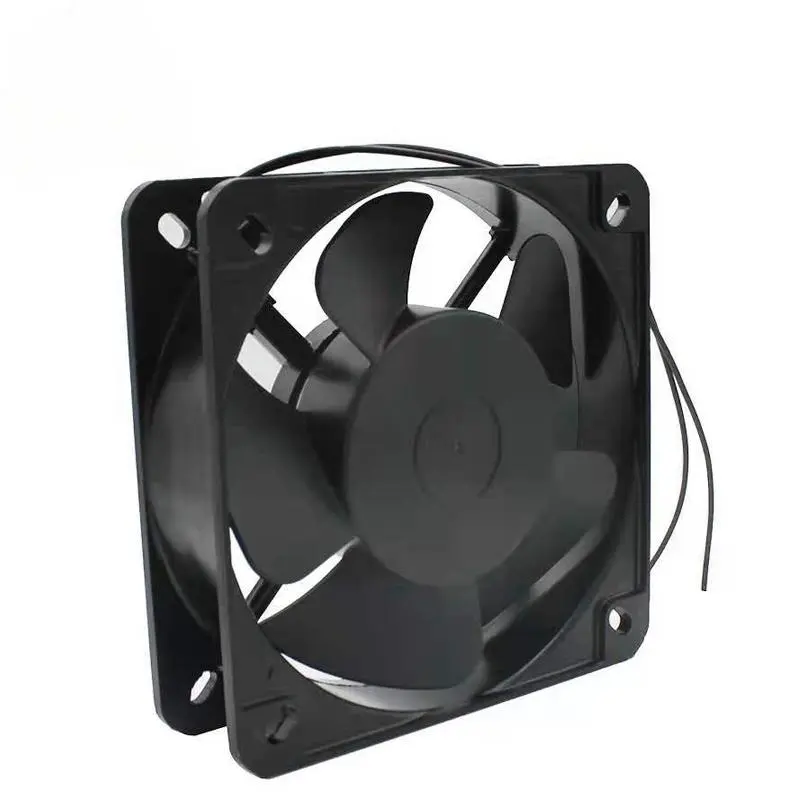
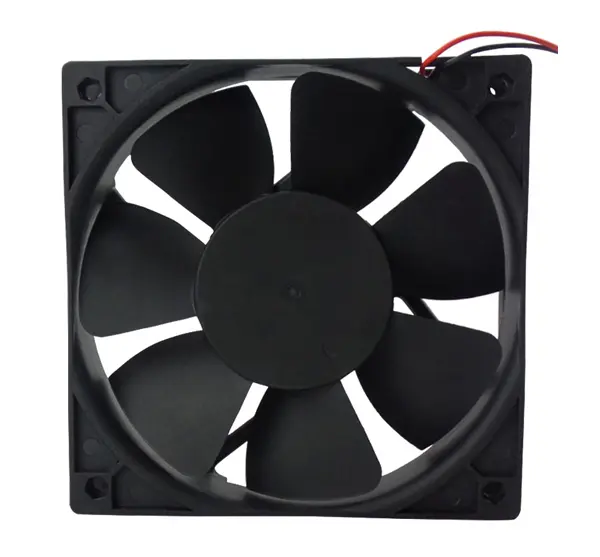
In the era of rapid development of modern technology, Fuqingda Electronic Technology Co., Ltd. has become the ideal choice for various industries with its excellent cooling fan products. Our cooling fans are available in a full range of specifications, with a minimum size of 15mm and a maximum size of 254mm, which can meet the needs of different application scenarios.
Cooling Fan Basics
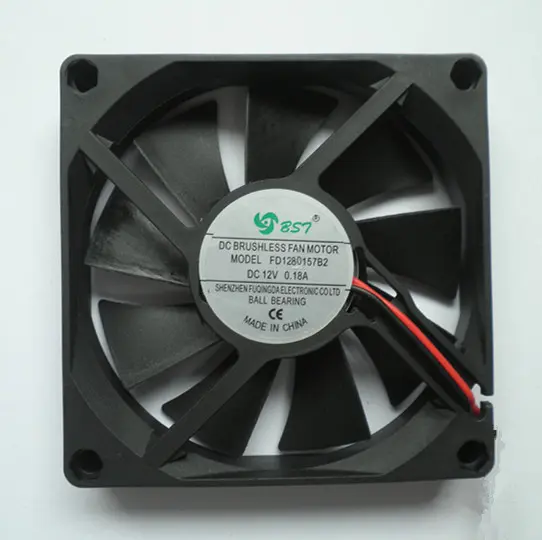
The term "cooling fan" (or "cool fan") is a specialized yet versatile term that encompasses a broad range of knowledge. It is widely applied across various types of equipment requiring cooling solutions, and its usage in the future will continue to expand. Moreover, it evolves with technological advancements, continuously improving its performance. In this article, we will briefly explore some fundamental aspects of cooling fans.
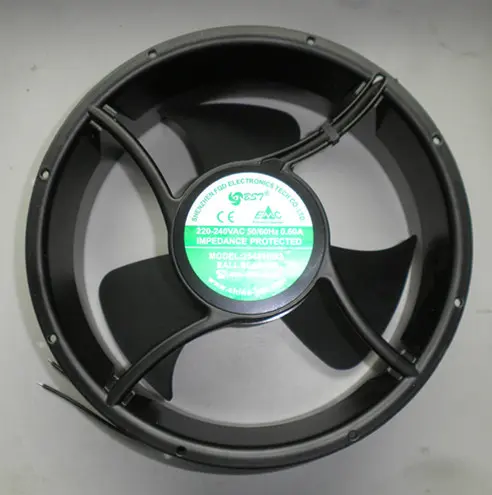
How to Select Cooling Fans Based on Equipment Specifications
When selecting a cooling fan, one of the primary considerations is the device's specifications. As a renowned brand in cooling fan manufacturing, Fuqingda Electronic Technology provides a wide range of fans with varying sizes, types, and voltages to meet the requirements of diverse equipment. Selecting the appropriate cooling fan based on the specific specifications of the device is crucial for ensuring its efficiency and stability. This guide aims to assist you in choosing the most suitable fan model according to the distinct specifications of your device.
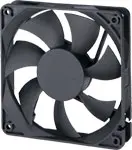
What is the impact of air volume quantification on the cooling efficiency of the equipment(2)?
4,The selection of fan air volume should consider several key factors:
1. Equipment thermal power: Each piece of equipment generates a certain amount of heat during operation, and its thermal power (measured in watts) directly influences the required air volume. Higher thermal power necessitates greater airflow to ensure efficient cooling. It is crucial to understand both the thermal power and the operating environment of the equipment when selecting the appropriate fan air volume.
What is the impact of air volume quantification on the cooling efficiency of the equipment(1)?
1, the definition and quantification of air volume.
Air volume refers to the amount of air circulated by a fan per unit time, typically measured in cubic meters per hour (m³/h) or cubic feet per minute (CFM). Quantifying air volume provides precise data that enables engineers and technicians to accurately assess fan performance, ensuring effective heat dissipation and preventing equipment failure due to overheating.
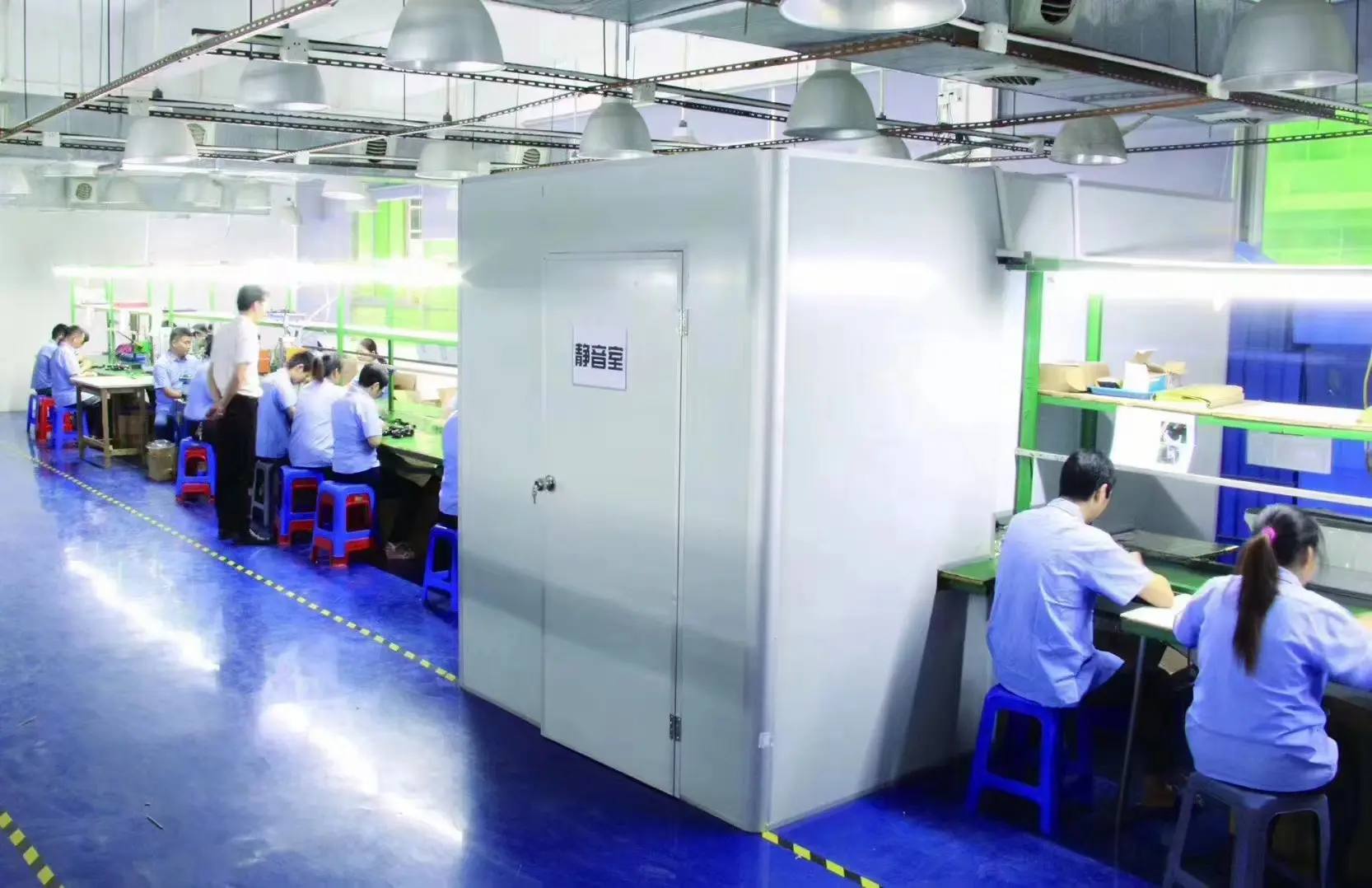
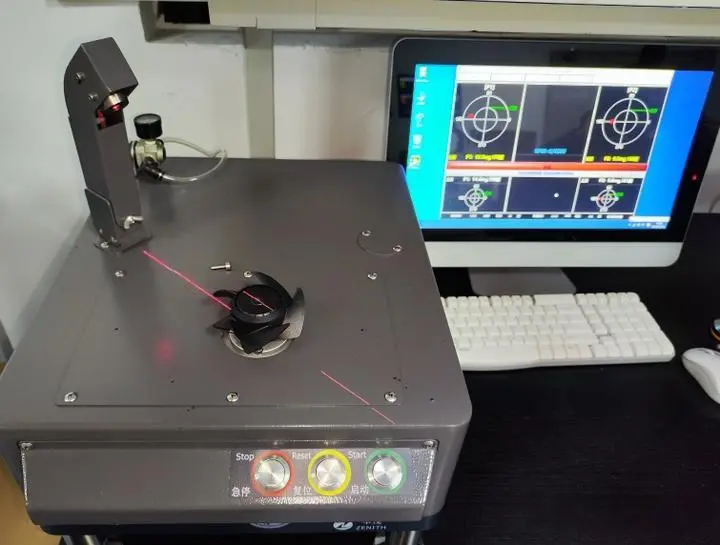
Introduction to the Automatic cooling Fan Assembly Line
With the continuous advancement of science and technology, the manufacturing industry is evolving towards greater automation and intelligence. As a prime example of this trend, the fully automated fan assembly line is progressively transforming traditional production methods. This paper aims to explore the advantages of fully automated assembly lines and their impact on fan production.