
Industry News
How to select industrial cooling fans with waterproof and moisture-proof properties to cope with harsh working environments?
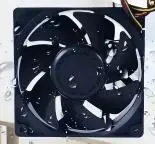
In humid environments, especially when facing high-pressure rinsing in food processing workshops, ordinary industrial fans may suffer from short circuits due to water ingress into the motor, and they may fail within a few months. Risks of water intrusion such as humidity, condensation, direct splashing, and intermittent immersion not only can cause electrical faults but also accelerate the corrosion of metal components, damage the lubrication performance of bearings, and promote the growth of mold. Therefore, waterproof and moisture-proof performance has become a key technical indicator for selecting industrial Cooling Fans in harsh environments.
Does a higher rotational speed of the cooling fan mean better cooling performance?
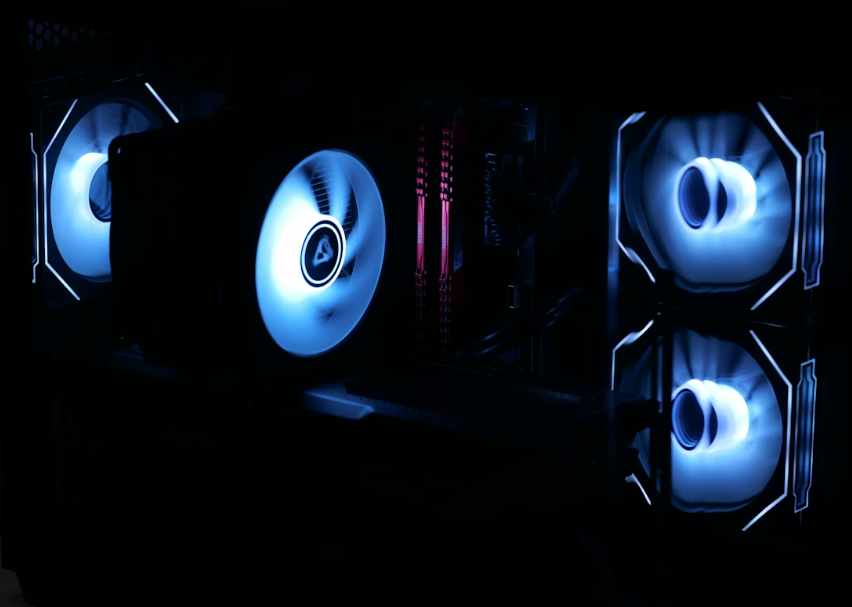
When discussing the performance of cooling fans, many people tend to directly equate "rotational speed" with "cooling effect", but this view actually neglects the basic principles of the cooling system. In fact, the cooling effect is a comprehensive result determined by multiple factors such as fan performance, the matching degree of the cooling module, and air flow organization, and rotational speed is merely one non-determinative parameter among them. This article aims to explore whether a higher rotational speed of the cooling fan leads to better cooling performance.
Which type of fan is more suitable for electric vehicle charging stations?
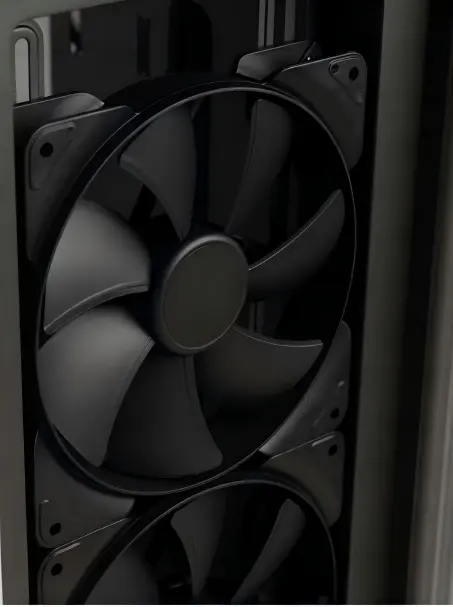
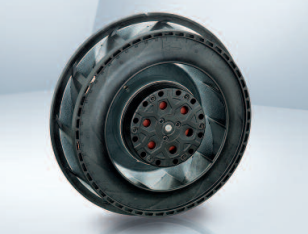
In the context of the rapid expansion of electric vehicle infrastructure, the competition focus of charger manufacturers is gradually shifting from the initial concerns of "whether charging is possible" and "whether the charging speed is fast enough" to a comprehensive assessment of "whether the equipment can operate stably for a long time, whether the operating cost is controllable, and whether the product conforms to the industry development trend". This transformation prompts manufacturers to re-examine the cooling fans used in their original designs, evaluating whether they still meet the current and future technical requirements and market trends. This article will briefly analyze the technical differences between Ac Fans and DC fans and discuss the development direction of fan selection for charging stations in the future.
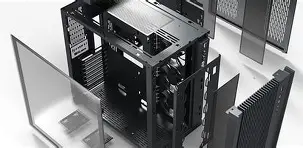
Blowing air and forced air circulation: Which is the more efficient method of heat dissipation?
When installing cooling fans in electronic devices, some users prefer the air-blowing method for heat dissipation, while others favor the air-exhausting method. Which approach offers superior thermal performance? This article provides a concise analysis of the advantages and disadvantages of both cooling methods to assist readers in making an informed decision.
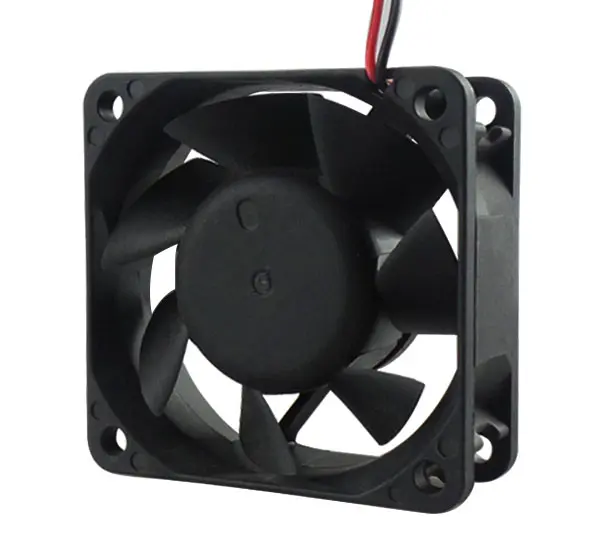
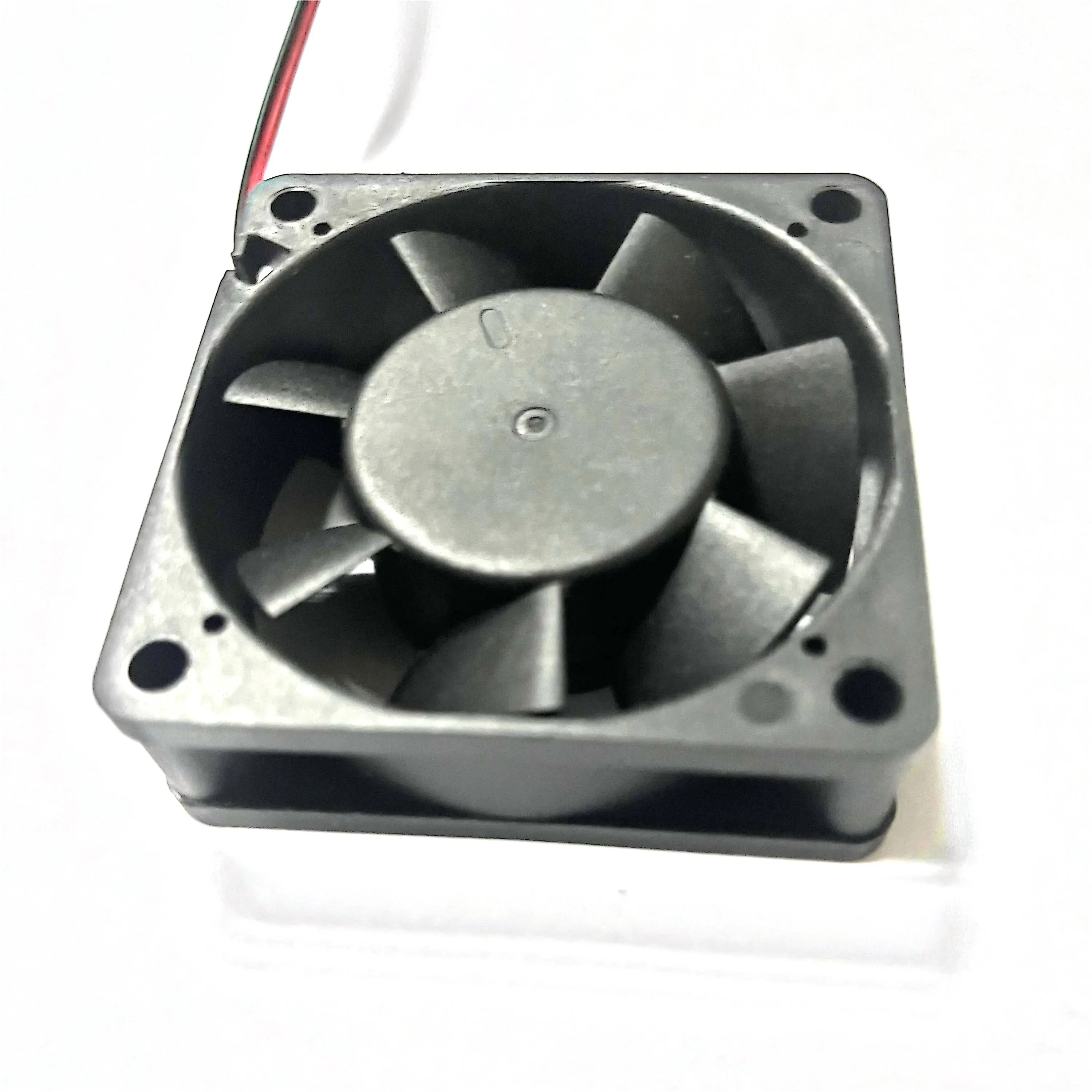
Compact design, outstanding performance - cooling fan 6025
Shenzhen Fuqingda electronics tech co.,ltd, a leading manufacturer in the field of high-performance thermal management solutions with over two decades of industry expertise, is pleased to introduce its latest innovation: a DC cooling fan specifically engineered for server applications. This compact yet high-efficiency fan delivers maximum airflow while occupying minimal space, with an airflow capacity of up to 43 cubic inches per minute, making it well-suited for space-constrained and high-density computing environments.
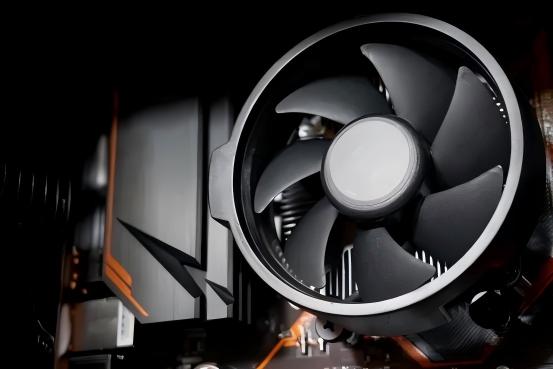
These statements about the cooling fans are actually not reliable.
In systems requiring active cooling, such as computer hardware and industrial equipment, cooling fans serve as critical components with an indispensable function. However, numerous users hold misconceptions regarding the operational principles of cooling fans. Certain widely adopted cooling practices contravene fundamental heat dissipation mechanisms, potentially compromising thermal performance and increasing the risk of equipment malfunction. This article seeks to examine these prevalent misconceptions and support readers in developing a scientifically sound and rational understanding of proper cooling fan application.
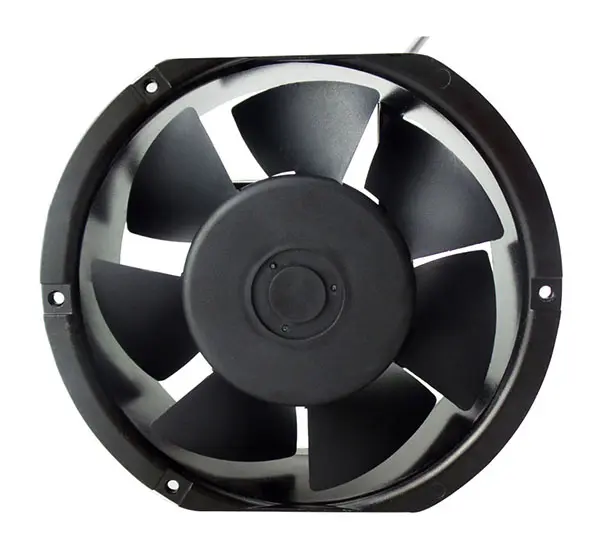
Is the AC cooling fan still worth recommending in industrial scenarios?
During the selection process of cooling solutions for industrial equipment, discussions about whether AC fans have become "outdated technology" are almost inevitable. To comprehensively evaluate their applicability, it is necessary to systematically compare the technical characteristics of DC and AC cooling fans.
DC cooling fans have advantages such as high rotational speed and high power density. They support pulse width modulation (PWM) speed control and are equipped with complete speed feedback signal functions, which are conducive to achieving precise intelligent temperature control management. They perform exceptionally well in application scenarios with high requirements for energy efficiency and control accuracy.
In contrast, the AC (Air Conditioning) cooling fan, although having relatively limited functionality integration and speed adjustment flexibility, with a simpler control strategy and conservative parameter design, is still widely and continuously used in actual industrial applications, especially in control cabinets, automation equipment, and industrial power supplies and other environments.
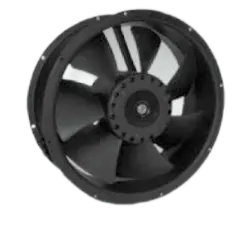
Analysis of Selection Strategies and Consideration Factors for Cooling Fans in 2026
With the continuous upgrading of fields such as new energy equipment, intelligent manufacturing, robotics, energy storage systems, communication power supplies, plant factories, and industrial automation, cooling fans have evolved from traditional basic components to key components that significantly affect the reliability, operational stability, and overall lifecycle cost of the entire system.
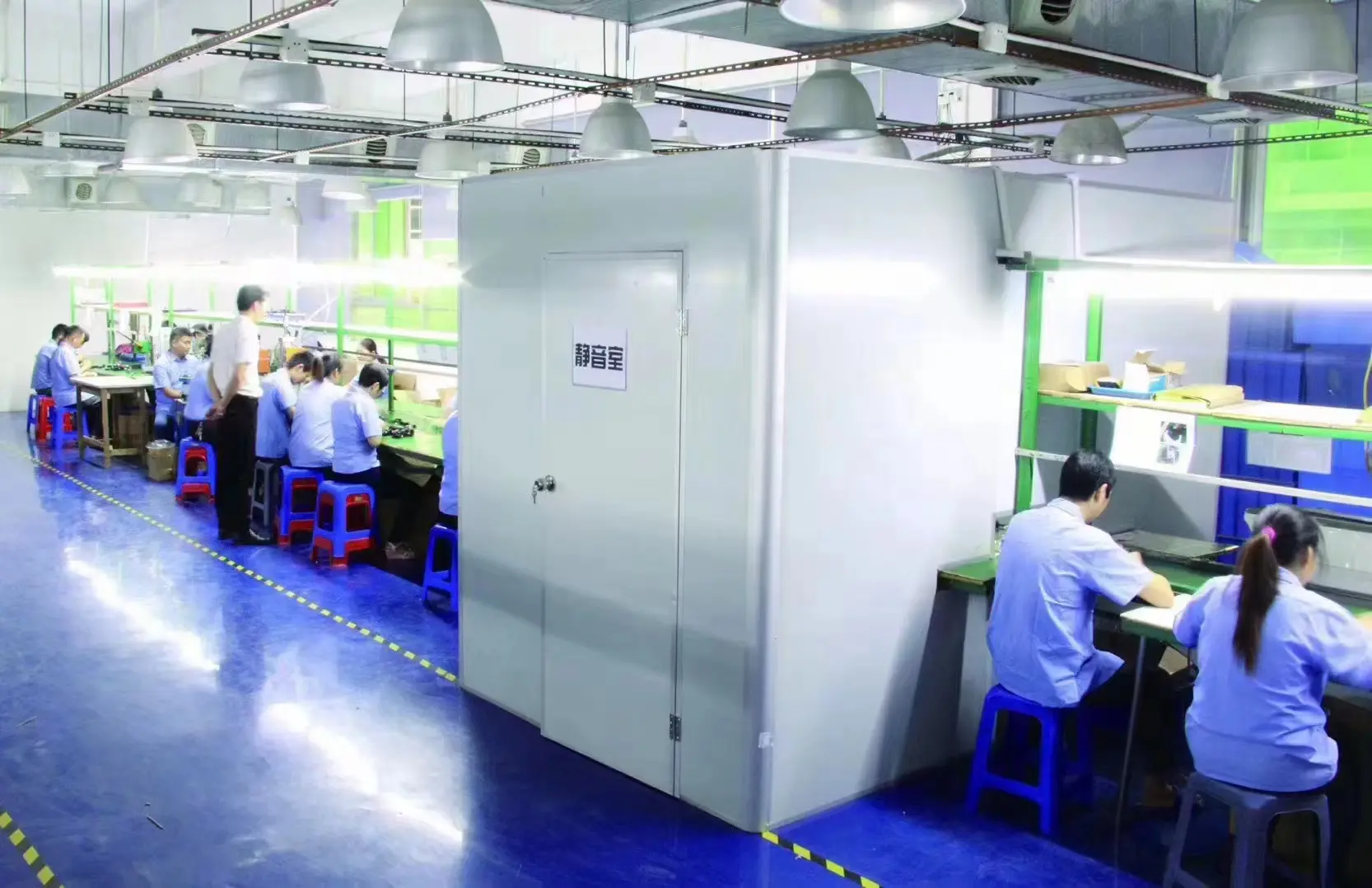
The Ultimate Guide to Choosing the Perfect Cooling Fan for Your Needs
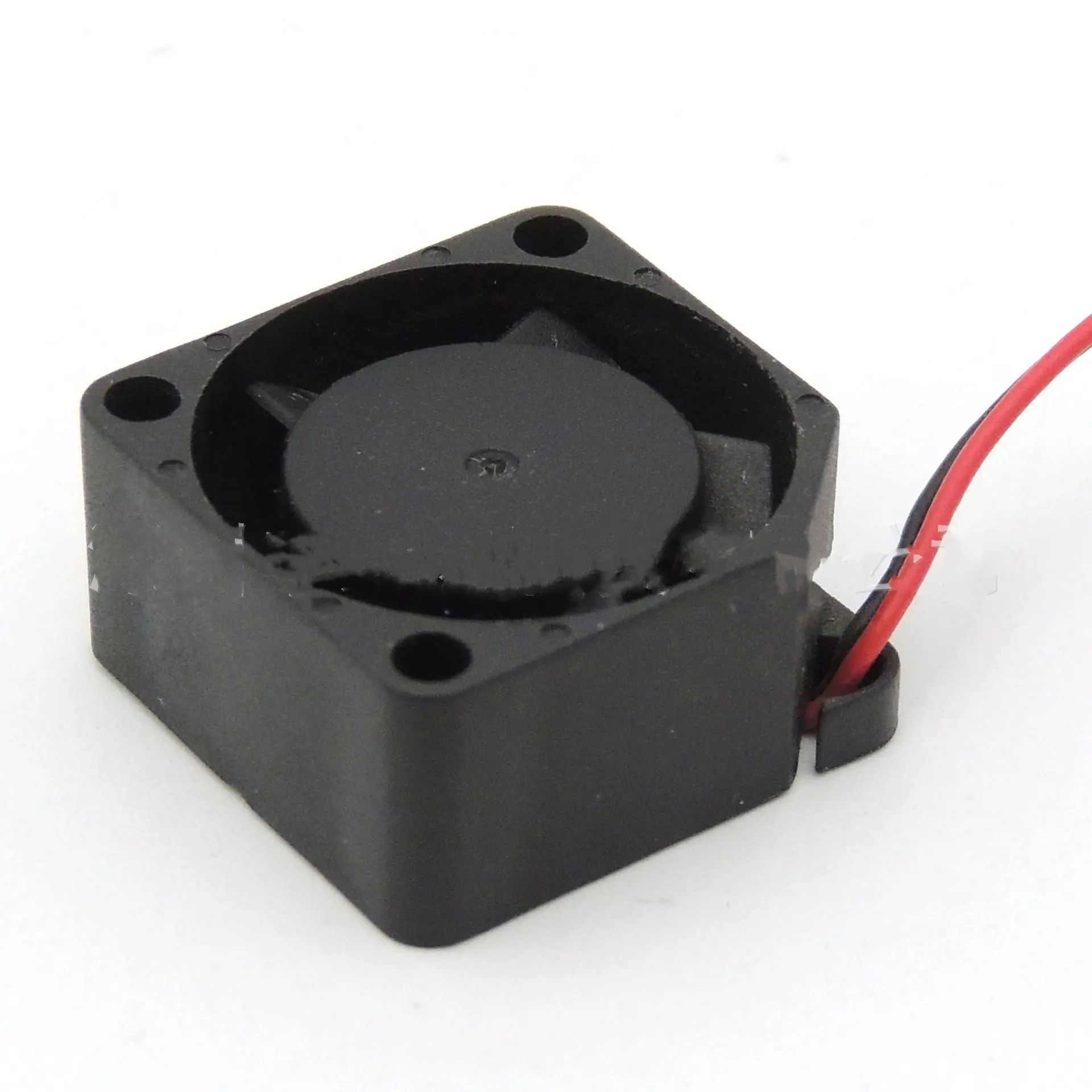
Our cooling fan range includes a variety of models designed to meet different environments and individual preferences. AC fans are ideal for larger spaces, providing strong airflow to quickly lower indoor temperatures. DC fans are energy efficient, making them perfect for those who want to enjoy a cool breeze while reducing their electricity bills. For users who need portability, our mini fans are compact and lightweight, perfect for use at home, in the office, or on the go.
One of the highlights of our cooling fans is the complete range of product specifications we offer. Each fan boasts a large airflow, ensuring optimal cooling performance. Furthermore, our fans operate with low noise, allowing you to enjoy a quiet environment free from machine noise. This is especially beneficial for those working from home or needing a quiet space to relax.
Durability is another key advantage of our cooling fans. With their exceptionally long lifespan, you can trust our products to serve you well for years to come. We understand that investing in cooling fans is a significant decision, and therefore we are committed to providing efficient and reliable products.
As an OEM and ODM manufacturer, we pride ourselves on our ability to customize products to meet our customers’ specific needs. We accept small-batch orders, making it easier for businesses and individual users to find the right fans without worrying about minimum order quantity restrictions. Our fast delivery cycle ensures you can enjoy the comfort of brand-new cooling fans without having to wait too long.
In short, whether you need a powerful AC fan, an energy-efficient DC fan, or a convenient mini fan, our extensive product range can meet your cooling needs. We remain committed to quality and customer satisfaction, striving to provide you with the perfect solutions for creating a cooler, more comfortable environment.
If you have any requirements related to cooling fans, please feel free to contact Shenzhen Fuqingda Electronic Technology Co., Ltd. Our company can provide you with comprehensive cooling solutions.
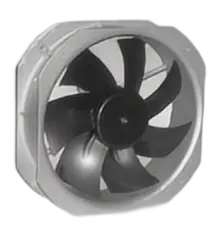
Is the EC fan DC or AC? What are the advantages of the EC fan?
EC fans are fan devices driven by DC motors. Their working principle is based on an internal electronic commutation system, which converts the input alternating current into direct current to drive the motor.
Compared to traditional AC fans, EC fans have higher energy efficiency, a wider speed adjustment range, and lower energy consumption.
Additionally, this type of fan supports intelligent control and enables precise air volume adjustment, making it suitable for applications with high requirements for ventilation systems.