Company News
Revolutionizing Industrial Cooling: Shenzhen Fuqingda Electronics Technology Co., Ltd.
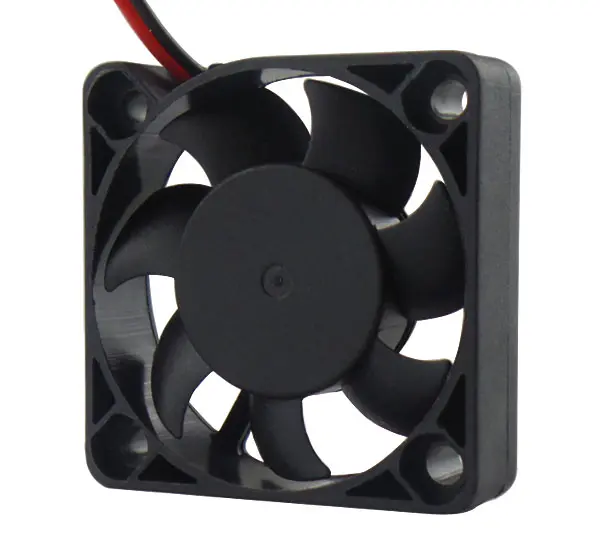
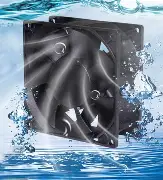
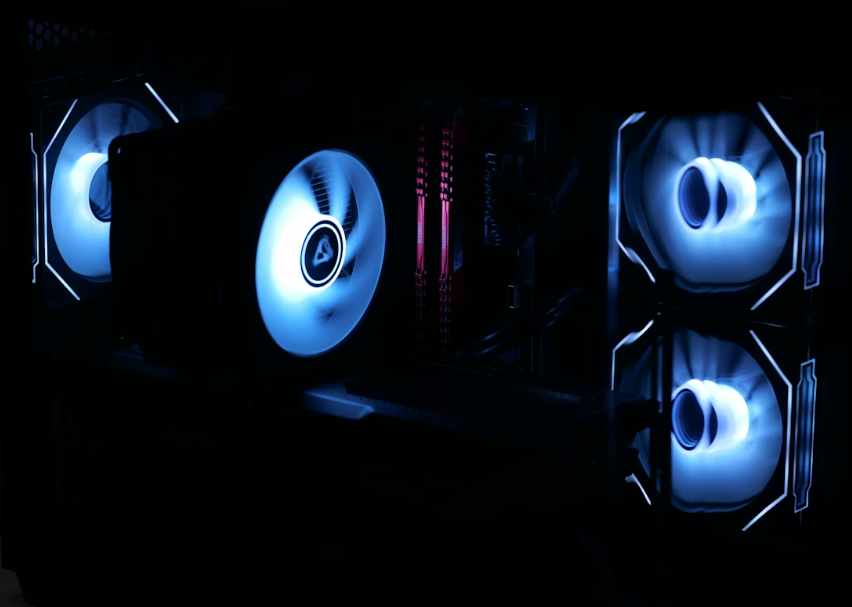
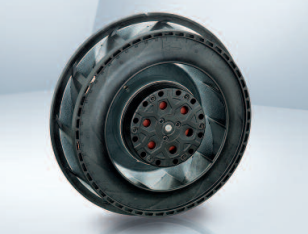
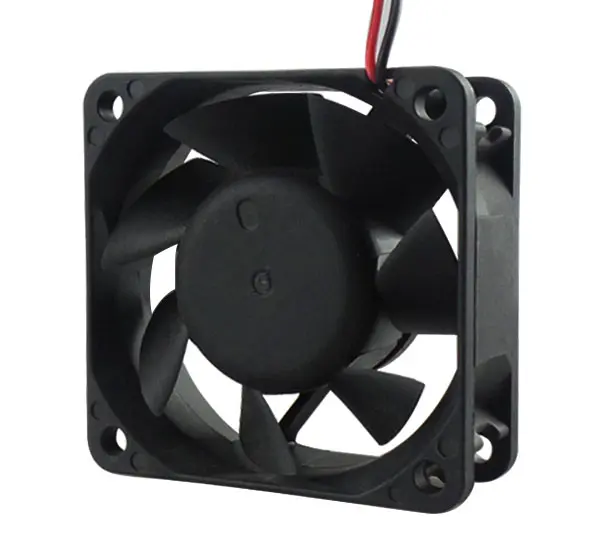
In today's fast-paced technological environment, efficient heat dissipation is crucial for maintaining the performance and lifespan of electronic devices. Shenzhen Fuqingda Electronics Technology Co., Ltd. has over 20 years of experience in manufacturing Cooling Fans and is committed to providing mature heat dissipation solutions for various industrial applications.

New Year's Day Holiday Notice: January 1st to 3rd
The Ultimate Thermal Solution: Exploring Our High-Performance DC Fans
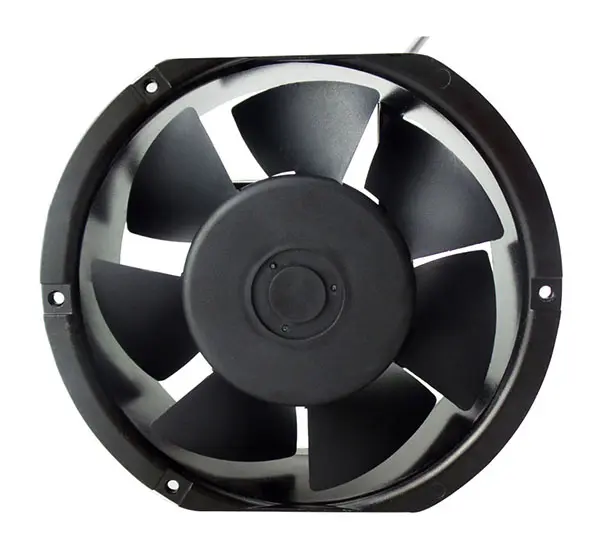
In today’s fast-paced world, efficient thermal solutions are crucial for maintaining optimal performance in a wide range of applications, from electronics to industrial machinery. With over 20 years of experience in manufacturing and sales, our company has become a leader in the cooling fan industry, providing high-quality DC fans that sell globally. We adhere to a philosophy of continuous improvement and have a comprehensive quality management system to ensure that every product meets the highest standards.

Frequently Asked Questions about Cooling Fans
Frequently Asked Questions about Cooling Fans
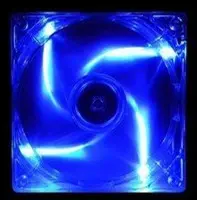
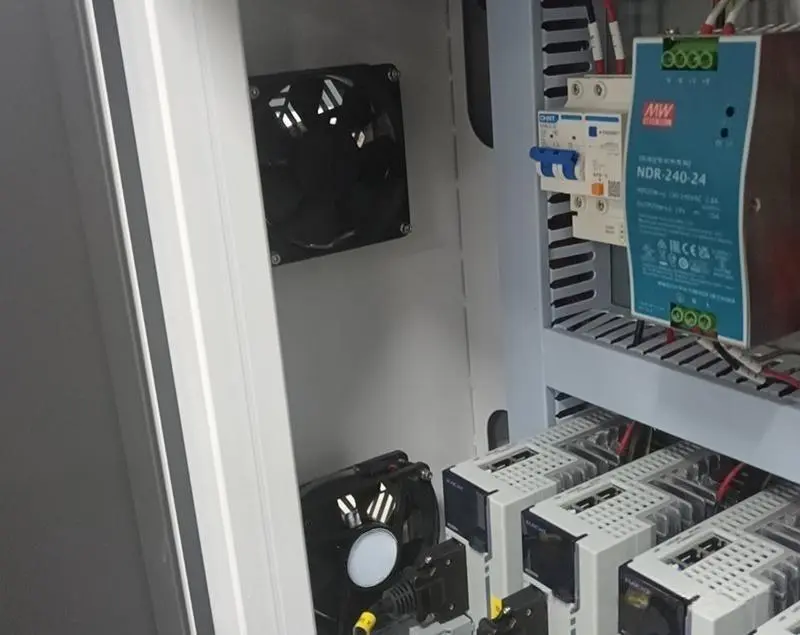
How to Choose the Appropriate Cabinet Cooling Fans
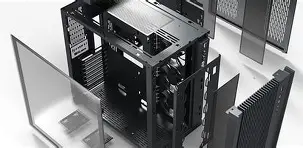
The selection of appropriate cabinet cooling fans plays a critical role in ensuring the reliable operation and longevity of electronic equipment. During the selection process, it is essential to conduct a comprehensive evaluation of multiple key factors, including thermal requirements, airflow and static pressure performance, bearing type, noise levels, control mechanisms, power supply specifications, dimensional compatibility, environmental resilience, and cost considerations. A well-informed and technically sound fan selection not only enhances system cooling efficiency and operational reliability but also minimizes failure rates and extends equipment service life. This paper provides a systematic and detailed examination of each of the aforementioned technical parameters and application criteria.

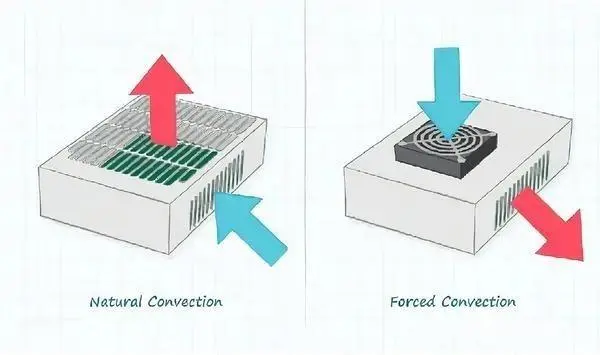
Understanding fan types is essential for achieving precise thermal management—A classification of cooling fans
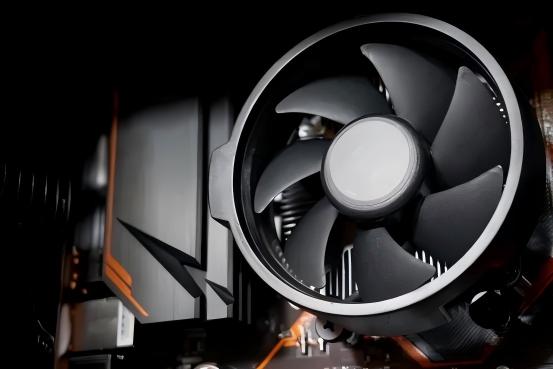
When selecting a cooling fan for equipment, one may find it challenging to navigate the wide array of available products. A fan that performs effectively in a desktop computer enclosure may be inadequate for meeting the thermal requirements of a laptop. This discrepancy arises because cooling fans do not constitute a homogeneous product category; rather, they represent a diverse family of devices developed according to distinct operating principles, technical specifications, and application contexts. A clear understanding of their classification framework is therefore essential to overcoming information overload from excessive parameters and enabling accurate, application-specific selection.
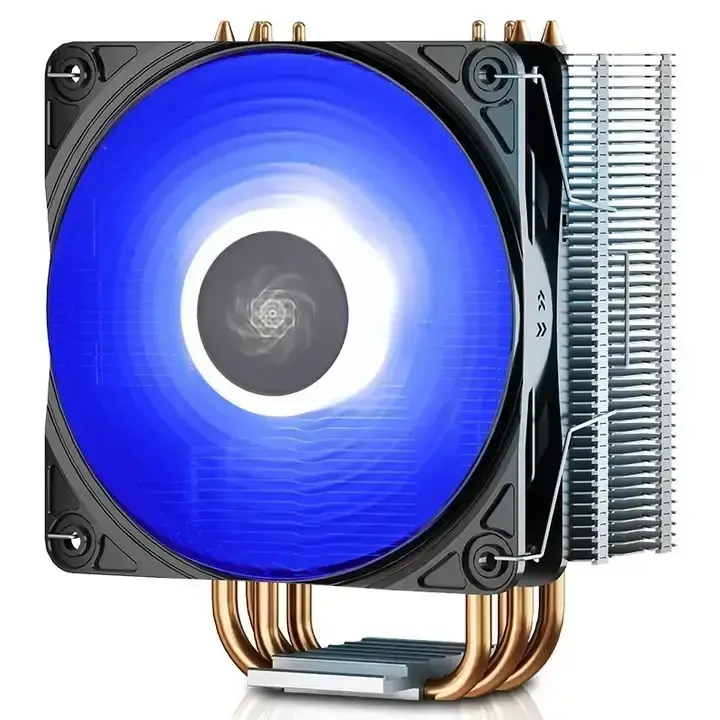
What performance is the most concerning when choosing a cooling fan?
When selecting a cooling fan, key considerations include stability (lifespan and reliability), cooling efficiency (the balance between air pressure and airflow), and environmental adaptability. These three factors critically influence the equipment's ability to maintain long-term stable operation.
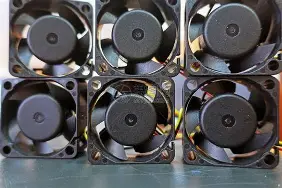
In which key performance indicators are these three aspects specifically reflected? The following section provides a detailed analysis of each.
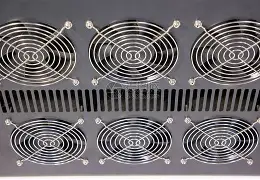
How long do cooling fans last?
When it comes to cooling fan lifespan, there are several factors to consider, including the type of bearings used and the operating environment. A key consideration is the cooling fan’s lifespan at a stable indoor temperature (25 degrees Celsius). This temperature is generally ideal for maximizing cooling fan lifespan because it minimizes thermal stress and wear.
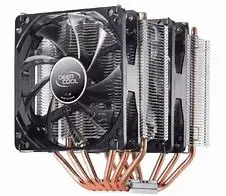
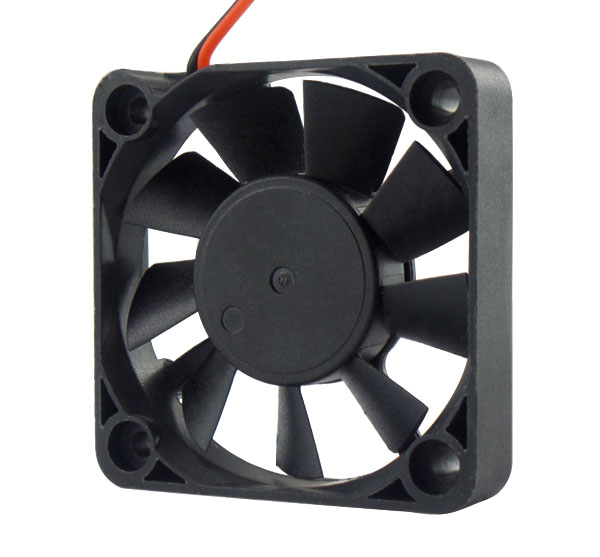
What potential does the RD signal hold in the context of intelligent control systems for cooling fans?
With the ongoing advancement in the intelligence of devices such as the Internet of Things (IoT), industrial automation systems, energy storage solutions, 5G communication infrastructure, and medical equipment, there is an increasing demand for enhanced "operational status visibility" and "fault prediction capabilities" in cooling fans. Conventional fans are typically designed to perform basic rotational functions, with some models providing tachometric feedback through FG signals. However, they lack the ability to accurately indicate whether the fan is genuinely operating under normal conditions. In this context, the RD signal (Rotation Detection signal) has emerged as a critical element facilitating the transition of cooling fans toward intelligent operation.
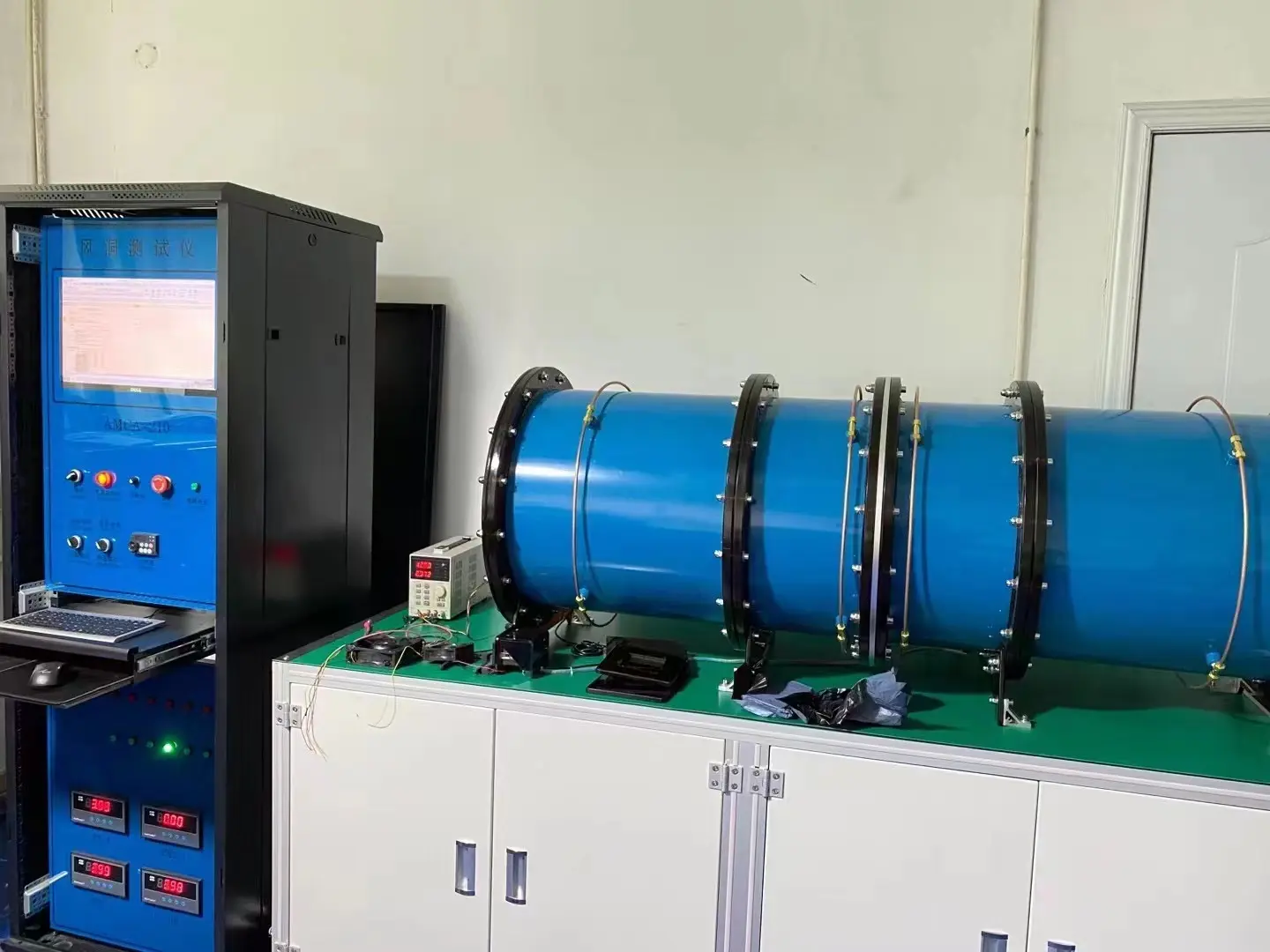
What is the most accurate method for measuring air flow?
Airflow is one of the most crucial parameters in the development of cooling fans, ventilation systems, and industrial equipment. The air volume (CFM or m³/min) of a fan determines the cooling efficiency, and the accuracy of the measurement method directly affects the reliability of the test data. Currently, there are various methods for measuring airflow, including the Double Chamber Method, Open Jet Method, and Duct Method. So, which of these methods is the most accurate? How to choose the appropriate measurement method? Let's find out today!