Essential Tips for Choosing the Right DC Cross Flow Fan
Choosing the right DC Cross Flow Fan can significantly impact efficiency and performance in various applications. According to industry reports, the global market for DC fans is expected to grow by 8% annually. This increase highlights the importance of making informed choices when selecting fans for specific needs.
The DC Cross Flow Fan stands out due to its compact design and ability to deliver consistent airflow. Many experts recommend these fans for electronics cooling and HVAC applications. However, users often overlook factors like motor efficiency and noise levels. Studies suggest that a 10% improvement in fan efficiency can lead to substantial energy savings.
Users must consider application requirements and environmental conditions. A mismatch can lead to reduced lifespan and increased maintenance. By focusing on specific needs and leveraging industry data, choosing the right DC Cross Flow Fan can become a more straightforward process. This careful selection is essential for ensuring reliability and optimal performance.
Understanding DC Cross Flow Fans and Their Applications
DC cross flow fans are versatile devices widely used in various applications, from electronics cooling to HVAC systems. They are known for their compact design and efficiency. According to industry reports, the demand for DC fans is expected to grow by approximately 6% annually through 2025. This growth is driven by advancements in technology and increased energy efficiency awareness.
When choosing a DC cross flow fan, consider the airflow requirements of your application. Measured in cubic feet per minute (CFM), airflow is critical for effective cooling or circulation. Noise levels are also essential; many fans produce minimal sound, making them suitable for noise-sensitive environments. Fan efficiency ratings indicate energy consumption, impacting operational costs.
Tip: Analyze the specific application environment for your fan. High temperatures or humidity can affect fan performance.
Compatibility with existing systems is crucial. Ensure your fan's voltage and size fit seamlessly into your setup. Performance can be negatively affected if sizes don’t match or power requirements differ.
Tip: Keep in mind that not all products on the market meet the same quality standards. Research supplier reliability and product performance reviews.
Application Comparison of DC Cross Flow Fans
Key Factors to Consider When Selecting a DC Cross Flow Fan
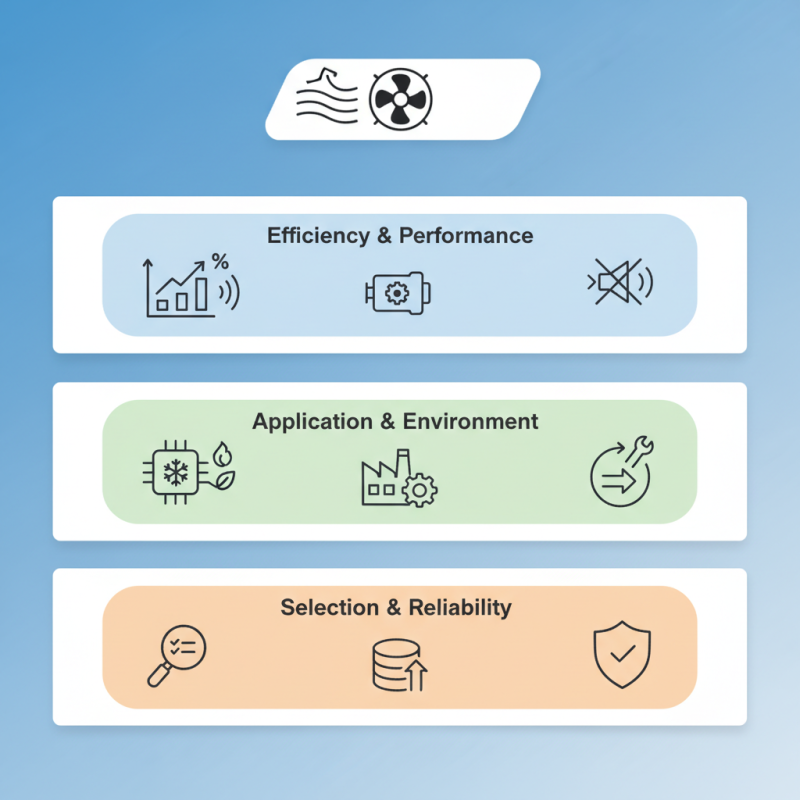
When selecting a DC cross flow fan, consider airflow requirements. Determine the volume of air needed for your specific application. It’s not just about size; the design also plays a crucial role. For instance, a fan with a higher static pressure may work better in restrictive spaces. Analyze the space to find the right match.
Another key factor is energy efficiency. Fans with better efficiency produce less heat and noise. Performance metrics can help you understand how well a fan will operate over time. Look for models that offer optimal performance without soaring energy costs.
Additional noise levels must also factor into your decision. Sometimes, a fan that performs well can be intrusive. This is often overlooked in the selection process. Testing different models can provide insight into comfort levels in your environment. Moreover, consider installation challenges and maintenance requirements. It’s important to choose a fan that fits not only your needs but also your capacity for upkeep.
Essential Tips for Choosing the Right DC Cross Flow Fan - Key Factors to Consider When Selecting a DC Cross Flow Fan
| Parameter |
Importance |
Recommended Value/Range |
Notes |
| Airflow Rate |
High |
200-500 CFM |
Ensure adequate airflow for cooling applications. |
| Noise Level |
Medium |
25-40 dB |
Consider for residential or office environments. |
| Power Consumption |
High |
20-60 Watts |
Look for energy-efficient models. |
| Voltage Rating |
High |
12V or 24V DC |
Ensure compatibility with your power supply. |
| Size and Dimensions |
Medium |
Varied; typically 100-300 mm width |
Ensure fit for the intended installation location. |
| Durability and Material |
High |
Plastic or Metal |
Choose materials that resist corrosion and wear. |
Evaluating Performance Specifications of DC Cross Flow Fans
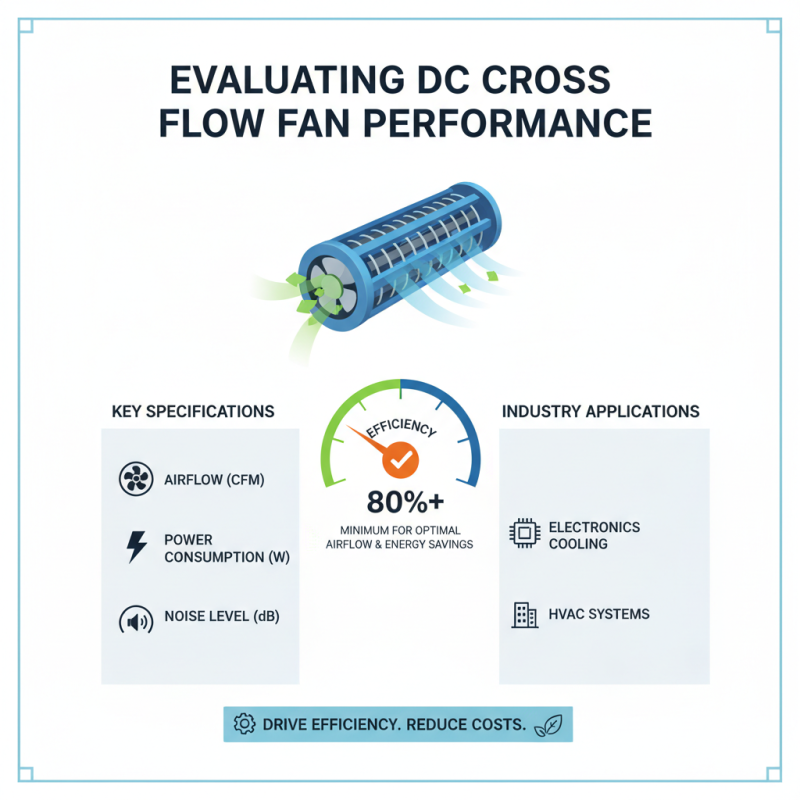
When selecting a DC cross flow fan, pay close attention to performance specifications. These fans are crucial in various industries, including electronics cooling and HVAC systems. According to industry reports, an efficient fan operates at a minimum of 80% efficiency. This ensures optimal airflow while minimizing energy consumption.
Another critical factor is airflow rate, measured in cubic feet per minute (CFM). For instance, a fan with a CFM rating that meets or exceeds the system's needs ensures consistent performance. Underestimating airflow can lead to overheating and equipment failure. Conversely, excessive airflow may create unnecessary noise.
Noise levels, indicated in decibels (dB), also play a vital role. Choose a fan that balances airflow and quiet operation. Research shows that fans operating at 30 dB are often considered acceptable for office environments. Users frequently find that noise reduction leads to a more pleasant working atmosphere. However, manufacturers sometimes prioritize airflow over noise, which may require reevaluation of selection criteria. Balancing these specifications will ultimately lead to better performance and reliability.
Assessing Noise Levels and Environmental Impact
When selecting a DC cross flow fan, noise levels and environmental impact are critical considerations. According to a study from the Institute of Noise Control Engineering, fans can generate sound levels ranging from 30 dB to over 70 dB. Lower noise levels are essential for applications in sensitive environments, such as hospitals or libraries. Many consumers overlook this factor, leading to discomfort and potential disturbances.
It is crucial to review product specifications available from engineering guidelines. Fans designed with advanced noise reduction technologies can significantly lower decibel levels. Choosing a fan with a lower RPM can also help minimize noise. Some may feel that sacrificing airflow for silence is unnecessary, but it often results in a more pleasant operating environment.
When considering the environmental impact, look into energy efficiency ratings. Fans that consume less electricity contribute to lower carbon footprints. The U.S. Department of Energy suggests that energy-efficient models can reduce energy costs by up to 30%. Not all fans meet these standards. Transparency in the manufacturing process also plays a role in sustainability. Prioritize options that use recyclable materials. By assessing these dynamics, you ensure your choice does not negatively affect your space or the planet.
Maintenance Tips for Ensuring Longevity of DC Cross Flow Fans
Proper maintenance of DC cross flow fans is crucial for their longevity and efficiency. Regular cleaning is the first step. Dust and debris can accumulate quickly. A buildup can reduce airflow by up to 30%, affecting performance. Cleaning the fan blades and surrounding areas every few months can mitigate this issue.
Monitoring the bearings is essential. Worn bearings may cause noise and vibration, leading to early failure. According to a report from the Institute of Environmental Sciences, up to 40% of fan failures are due to bearing issues. Routine lubrication checks can help prevent these problems and ensure smoother operation.
Inspecting electrical connections regularly can save unexpected downtime. Loose connections may result in power fluctuations, damaging the fan's motor. In many cases, this results in higher energy consumption. Keeping your fan in optimal condition is not just about working parts. It’s about understanding each component and its role in system performance. Regular maintenance can extend the life of your fan, ensuring reliable service for years to come.