How to Improve Efficiency with AC Cross Flow Fans?
In today's rapidly evolving industrial landscape, optimizing efficiency is crucial. The AC Cross Flow Fan is a versatile solution used in various applications. This fan design allows for effective air circulation, making it suitable for cooling systems and HVAC setups.
Understanding how to improve efficiency with the AC Cross Flow Fan is essential for many industries. By maximizing airflow, businesses can create a more comfortable environment. However, there are challenges. Not all setups properly utilize this fan type, leading to wasted energy and high costs. Addressing these issues is vital for achieving optimal performance.
Many users overlook maintenance and placement, which can severely impact efficiency. Recognizing common pitfalls allows for better integration of the AC Cross Flow Fan. When approached thoughtfully, its benefits can be significant. This exploration aims to shed light on practical strategies for enhancing performance with this remarkable technology.

Understanding AC Cross Flow Fans: Principles and Applications
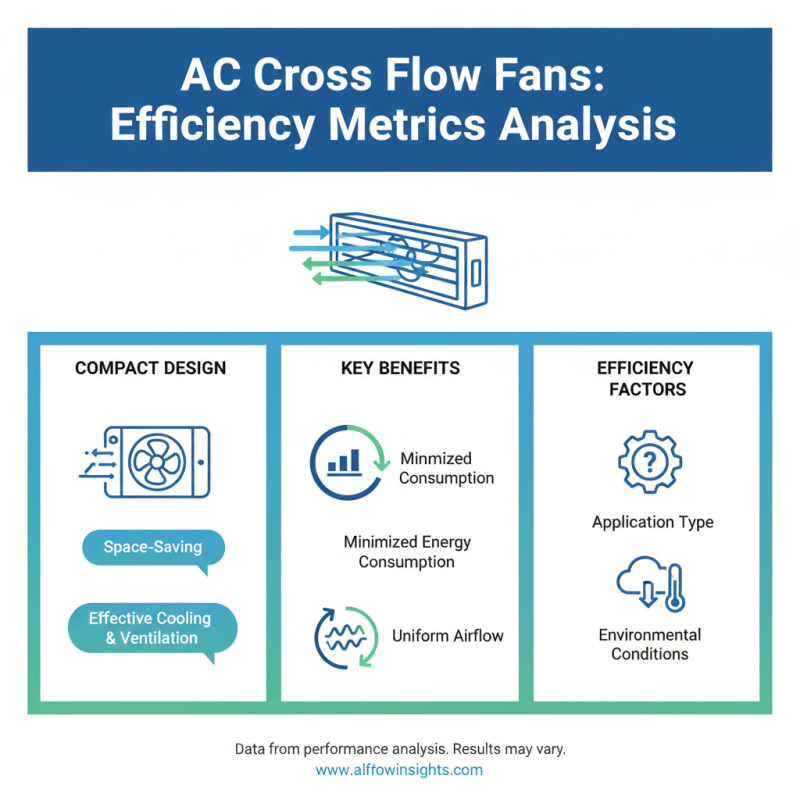
AC cross flow fans are pivotal in various applications. These fans offer efficient airflow in compact spaces. Unlike traditional fans, they move air over a wide area. The design features a rectangular shape, allowing them to fit neatly into different setups. This versatility enhances cooling and ventilation in many systems.
Understanding the principles behind AC cross flow fans reveals their unique functionality. The fan blades circulate air in a continuous flow. It creates a more uniform distribution of air across the surface. This helps maintain consistent temperatures and reduces hotspots. However, one must reflect on potential downsides. Noise levels can be higher than expected in smaller units. Regular maintenance is essential to avoid performance drops.
Applications of AC cross flow fans vary from HVAC systems to electronic devices. Their effectiveness can be limited by installation choices. In some scenarios, airflow might not meet specific requirements, causing inefficiencies. It’s crucial to evaluate the environment before choosing a fan. This ensures optimal performance and improved efficiency.
Efficiency of AC Cross Flow Fans Based on Different Speed Settings
This chart illustrates the efficiency levels of AC cross flow fans at various speed settings. As the speed increases, the efficiency shows distinct variations, showcasing how speed adjustments can lead to better performance in different applications.
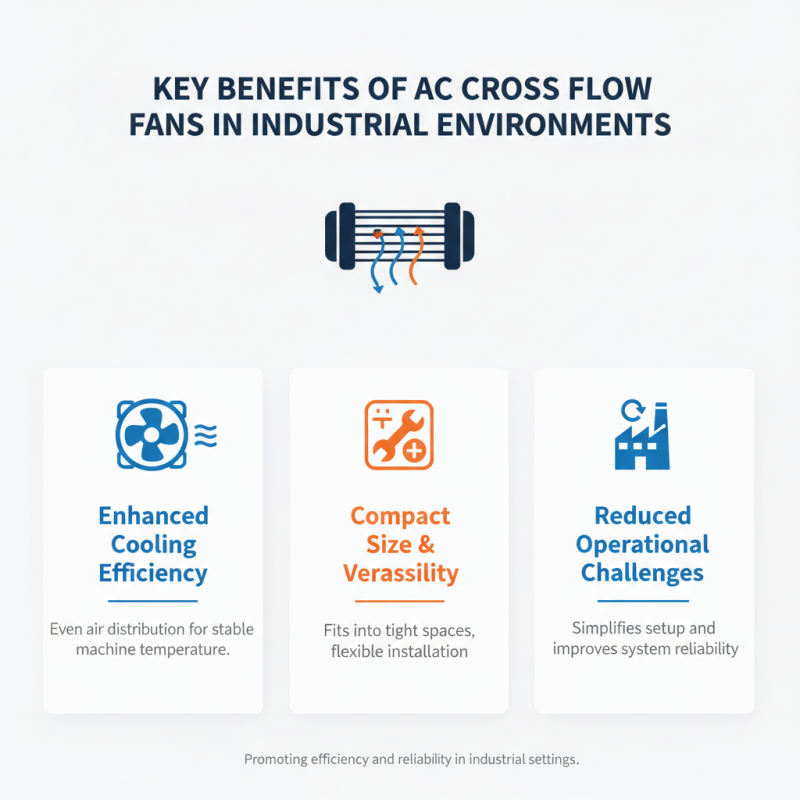
Key Benefits of AC Cross Flow Fans in Industrial Environments
AC Cross Flow Fans play a vital role in many industrial environments. Their design ensures air is distributed evenly across a large area. This enhances cooling efficiency, promoting a stable working temperature for machinery. With their compact size, they fit into tight spaces, offering flexibility in installation. This versatility reduces installation challenges.
The benefits extend beyond cooling. These fans are energy-efficient, lowering operational costs. Their low noise level is another advantage, which contributes to a better work environment. However, some users find that maintaining these fans can be complex. Regular maintenance is crucial to avoid performance issues. Neglecting this aspect may lead to decreased efficiency over time.
Moreover, problems can arise with airflow direction. It's essential to plan fan placement carefully. Improper positioning can disrupt intended airflow patterns. Staff should be trained to recognize signs of airflow issues. Awareness can prevent costly downtime. Ultimately, understanding both benefits and challenges helps maximize the potential of AC Cross Flow Fans in any industrial setting.
Installation Best Practices for Maximal Efficiency of AC Cross Flow Fans
To improve the efficiency of AC cross flow fans, installation is critical. Proper positioning can enhance airflow significantly. Ensure that the fans are installed at the correct angle. If they are tilted, even slightly, performance can drop. A level mount allows for steady airflow distribution. Verify that the fan is clear of obstructions. Dust and debris can hinder performance, affecting the overall system efficiency.
Wiring is another aspect that needs careful attention. Keep wiring neat and organized. Loose or tangled wires can lead to inefficiencies. Over time, they may cause overheating or power loss. Additionally, consider the placement of the fan in relation to other equipment. Positioning too close to heat sources can affect performance adversely.
Regular maintenance is crucial for optimal efficiency. Checking and cleaning the fan periodically will help maintain airflow. Look for signs of wear on components. Even minor issues can escalate if overlooked. Most importantly, ensure that the fan settings are appropriate for the environment. Misalignment with the operational needs can lead to wasted energy and increased costs. Reflect on these points during installation to maximize efficiency.
Maintenance Tips to Enhance Longevity and Efficiency of AC Cross Flow Fans
Regular maintenance is crucial for enhancing the longevity and efficiency of AC cross flow fans. A study by the International Energy Agency indicates that improper maintenance can lead to a 10-20% drop in fan performance. Simple tasks, like cleaning dust from fan blades, can make a significant impact. Dust buildup can obstruct airflow, leading to higher energy consumption. This emphasizes the need for routine inspections, preferably every three months.
Lubrication is another important factor. Bearings require regular grease or oil to function properly. A lack of lubrication can cause friction, resulting in overheating and potential failure. Many experts recommend using high-temperature grease for this purpose. Additionally, checking electrical connections can prevent unexpected failures. Corroded connections may lead to inefficient energy use, which is a waste of resources.
It’s common for facilities to overlook these maintenance areas. Neglect can cause not just performance issues but also reduce the lifespan of the fan. Industry reports suggest that proactive maintenance can extend the life of electrical equipment by 30-50%. Therefore, adopting a structured maintenance schedule is a worthwhile investment in efficiency and longevity.
How to Improve Efficiency with AC Cross Flow Fans? - Maintenance Tips to Enhance Longevity and Efficiency of AC Cross Flow Fans
| Aspect |
Recommendation |
Frequency |
Notes |
| Cleaning |
Remove dust and debris from the blades and filters. |
Monthly |
Use a soft brush for delicate components. |
| Lubrication |
Lubricate the motor bearings. |
Every 6 months |
Use manufacturer-recommended lubricant. |
| Belt Inspection |
Check for wear and proper tension of fan belts. |
Quarterly |
Replace belts as necessary to avoid slippage. |
| Vibration Check |
Monitor for unusual vibrations while in operation. |
Monthly |
Unbalanced components may indicate a problem. |
| Electrical Components |
Inspect wiring and connections for wear or corrosion. |
Annually |
Ensure all connections are secure to prevent failures. |