What is a Cooling Fan and How Does It Work?
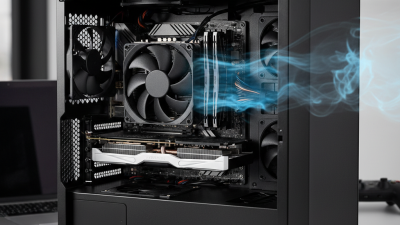
A Cooling Fan is an essential device in numerous applications, from electronics to HVAC systems. These fans circulate air to regulate temperature. Jonathon Green, a leading expert in thermal management, once said, "A Cooling Fan is not just a component; it is a lifeline for many systems." His perspective highlights the importance of these fans.
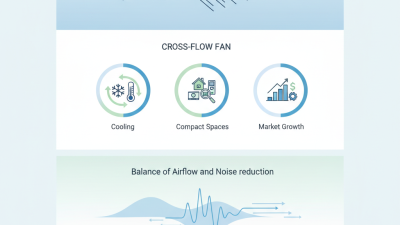
Cooling Fans operate by creating airflow that dissipates heat. The efficiency of a Cooling Fan depends on its design and speed. When factors like noise and energy consumption are considered, one must reflect on the balance between power and efficiency. Some fans may be loud during operation, which can affect the environment they serve.
Despite their benefits, Cooling Fans are not flawless. They can accumulate dust and debris, decreasing their efficiency. Regular maintenance is crucial for optimal performance. Understanding how Cooling Fans work is vital for anyone looking to improve energy efficiency and thermal management. Knowledge leads to better decisions in this complex industry.
What is a Cooling Fan?
A cooling fan is a mechanical device used to create airflow. It helps regulate temperature in various environments, from homes to machines. Understanding how it works is essential for optimizing its use.
Cooling fans consist of blades attached to a motor. As the motor spins the blades, air is pushed forward. This movement creates a breeze that enhances comfort and prevents overheating. In homes, fans circulate air. In electronics, they cool components. Their design and size vary widely, affecting their performance and efficiency.
Many people overlook fans' maintenance. Dust accumulation can hinder airflow, reducing efficiency. Regular cleaning can lengthen a fan's lifespan. However, some users tend to ignore this, leading to poor performance. Observing how a fan operates is vital for effective usage. Recognizing the simple mechanics can enhance our understanding and appreciation of these devices.
What is a Cooling Fan and How Does It Work?
| Feature |
Description |
| Function |
Used to circulate air and dissipate heat. |
| Types |
Axial, Centrifugal, Blower, and Exhaust fans. |
| Applications |
Used in computers, HVAC systems, and industrial equipment. |
| Operation Principle |
Creates airflow through rotation of blades powered by an electric motor. |
| Efficiency |
Measured in CFM (Cubic Feet per Minute) for airflow. |
| Noise Level |
Usually rated in decibels (dB), lower is quieter. |
| Size |
Available in various sizes to fit different applications. |
| Power Source |
Typically powered by AC or DC electric sources. |
The Basic Components of a Cooling Fan
A cooling fan is a device designed to move air and regulate temperature in various environments. Understanding its basic components can enhance its performance and usability. A typical cooling fan consists of a motor, blades, a housing, and control electronics. The motor powers the fan blades, creating airflow as they rotate. The design of the blades significantly affects the efficiency of air movement. Different blade shapes and sizes produce varying airflow rates, measured in cubic feet per minute (CFM).
The housing protects the fan components while directing airflow. Materials used in housing can influence durability and noise levels. For instance, high-quality plastics reduce vibration and sound, offering a quieter operation. The control electronics manage the fan speed and can include thermistors for temperature regulation. According to a report by the International Energy Agency (IEA), efficient cooling systems can significantly reduce energy consumption, with fans being a crucial part of this efficiency.
Tips: To enhance fan performance, keep it clean. Dust buildup can hinder airflow. Regular maintenance ensures better longevity. Also, consider placement: avoid corners to maximize air circulation. Invest time in understanding the fan's specifications to utilize its capabilities fully. Recognizing the limitations of each fan type is essential for optimal usage.
How Cooling Fans Generate Airflow
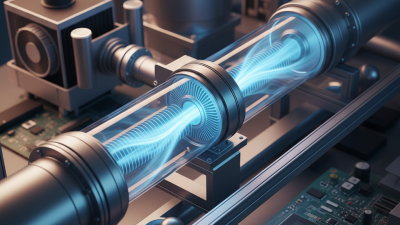
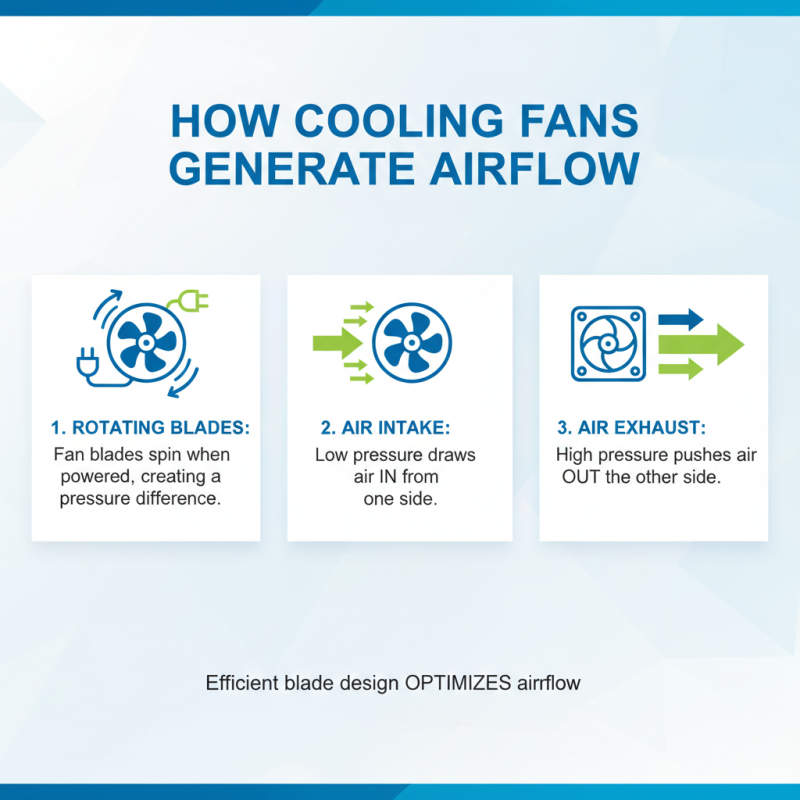
Cooling fans play a crucial role in generating airflow, which helps regulate temperature in various environments. They consist of blades that rotate when powered on. This rotation creates a pressure difference. As a result, air is drawn in from one side and pushed out from the other. The design of the blades affects how efficiently air moves. A poorly designed blade can hinder airflow, which is something to consider.
The speed of the fan also matters. Higher speeds produce greater airflow. However, excessive speed can create noise and energy consumption issues. Finding the right balance is key. Fans can be adjusted in speed, allowing for variations in airflow based on the need. Depending on the purpose, you might want a quieter fan, or one that moves a lot of air quickly.
It's intriguing to realize that airflow can vary with the surrounding environment. Obstacles, such as furniture, can disrupt airflow patterns. This disruption can limit efficiency. Awareness of the space around a cooling fan can lead to better cooling solutions. Ultimately, understanding how cooling fans generate airflow requires insight into both design and environment. Each factor plays a significant role in achieving optimal performance.
Types of Cooling Fans and Their Applications
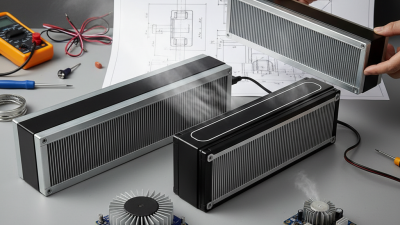
Cooling fans are essential in various industries, serving multiple purposes. They maintain optimal temperatures in machinery, electronics, and living spaces.
Different types of cooling fans cater to specific needs.
Axial fans, for instance, are common in residential settings. They move air parallel to the fan’s axis. Centrifugal fans, used in HVAC systems, provide higher pressure and airflow.
According to a report by the International Energy Agency, fans account for about 20% of global electrical consumption. This highlights their significant impact on energy usage.
In industrial applications, tube axial fans are preferred for large spaces. They efficiently ventilate these areas, ensuring adequate air circulation. Moreover, they can be energy-efficient, reducing operational costs.
However, not all fans operate effectively. Factors such as placement and design play crucial roles. Additionally, older models can lead to higher energy consumption. A study suggested that upgrading to more efficient designs can cut energy costs by up to 50%.
This indicates the importance of selecting the right type of cooling fan for specific applications and environments.
Maintenance Tips for Optimal Cooling Fan Performance
To ensure your cooling fan operates at peak efficiency, regular maintenance is key. Start by regularly cleaning the fan blades and surrounding areas. Dust and debris can accumulate, reducing airflow and causing overheating. Use a damp cloth to wipe the blades, and consider a vacuum for hard-to-reach spots. Remember, a clean fan not only improves performance but extends its lifespan.
Check for any unusual noises when the fan operates. A rattling sound may indicate loose components, while a humming noise could suggest motor issues. Address these problems promptly. Ignoring them can lead to bigger, more expensive issues. Assessing noise levels not only improves comfort but also maintains optimal efficiency.
Lastly, monitor the overall temperature in the area where the fan operates. Excessive heat can strain the fan, leading to early failure. Evaluating the environment is just as vital as mechanical upkeep. An overlooked detail, like the positioning of the fan, can drastically impact performance. By keeping these maintenance tips in mind, you’ll ensure your cooling fan remains reliable and effective.
Cooling Fan Performance: RPM vs. Temperature
This chart illustrates the relationship between fan RPM (Revolutions Per Minute) and temperature levels. As the temperature increases, the fan speed ramps up to provide optimal cooling performance, which is crucial for maintaining device efficiency and preventing overheating.