Why Do You Need a Cooling Fan for Your Electronics?
Electronics today are integral to our daily lives. They power our devices and connect us to the world. However, they generate heat during operation. Excess heat can damage components. This is where the Cooling Fan becomes essential.
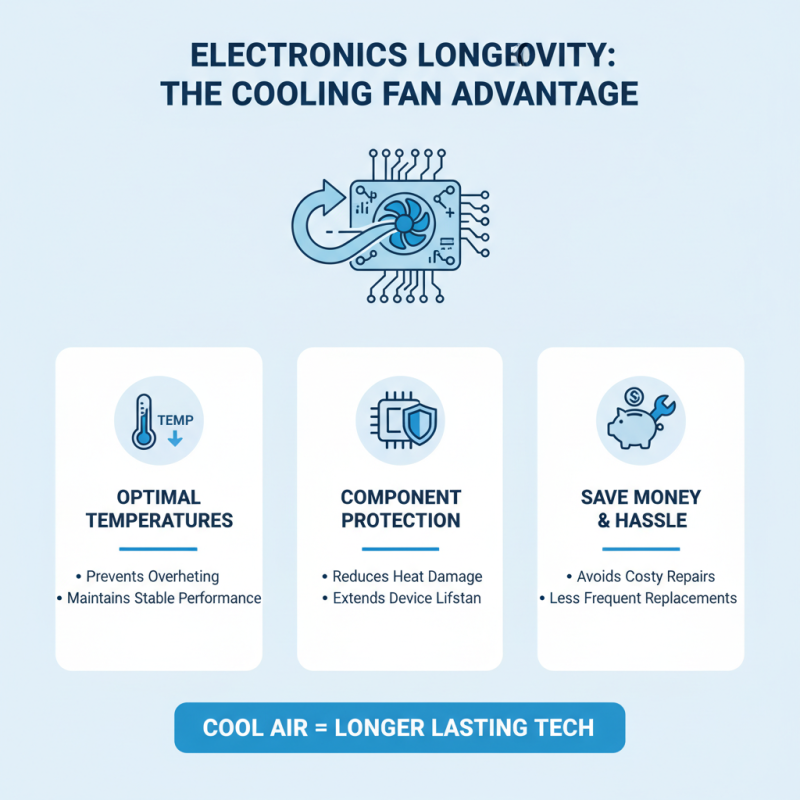
A Cooling Fan helps maintain optimal temperatures. It prevents overheating and ensures longevity for your electronics. Many users overlook the importance of proper cooling systems. This oversight can lead to device failures and costly repairs. Having reliable cooling solutions enhances performance and efficiency.
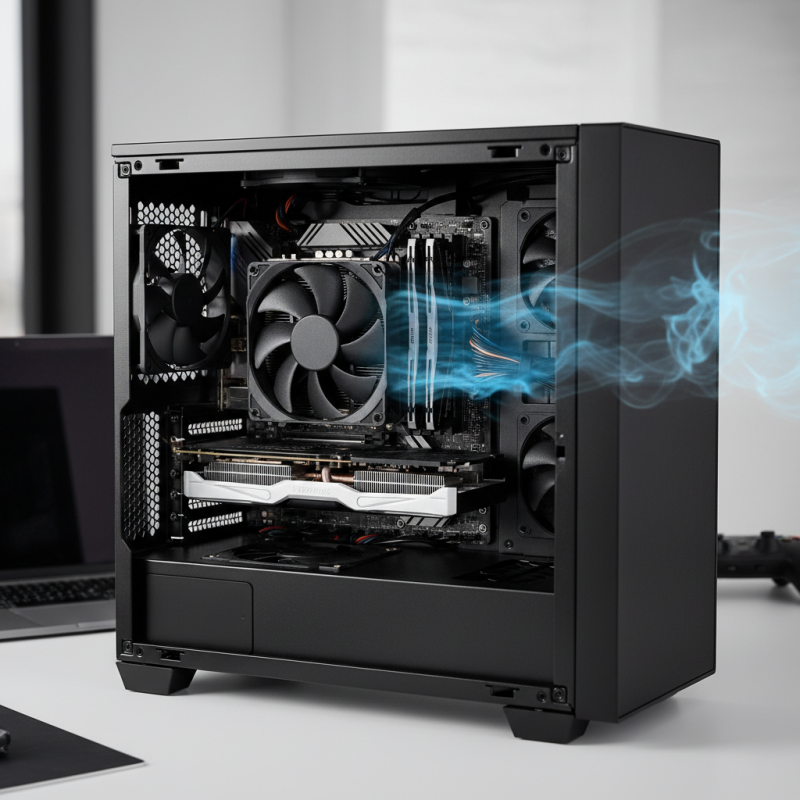
In various devices, from computers to gaming consoles, a Cooling Fan is crucial. It creates airflow, dissipating heat effectively. Without adequate cooling, electronics may slow down or shut down entirely. It's important to recognize the need for a Cooling Fan in maintaining electronic health. This simple addition can save you from potential issues down the line.
Overview of Heat Generation in Electronic Devices
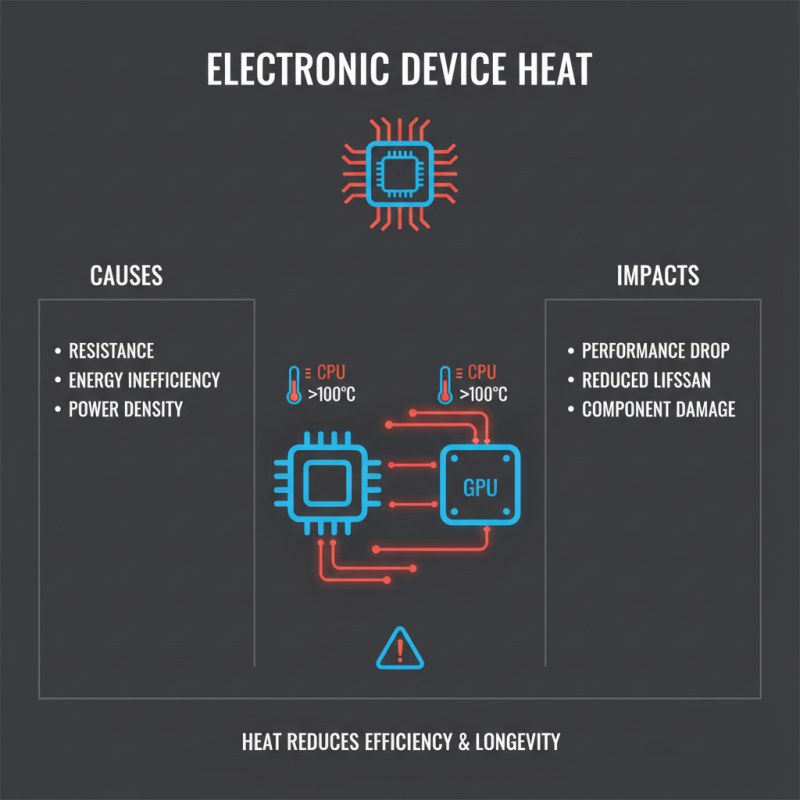
Heat generation in electronic devices is a critical aspect of their performance. When electronics operate, they generate heat due to resistance and inefficiencies in energy conversion. According to industry reports, devices like CPUs and GPUs can reach temperatures exceeding 100°C under heavy load. This heat can significantly affect operational efficiency and lifespan.
Effective cooling solutions are necessary to manage this heat. Without adequate cooling, electronic components may throttle performance to prevent damage. A study by the Semiconductor Industry Association highlights that overheating can reduce the lifespan of components by up to 50%. Moreover, in high-demand environments, thermal management becomes vital to ensure reliability and longevity of devices.
Fans, specifically designed for electronics, play a key role in dissipating heat. They improve airflow and enhance heat transfer from components. However, not all devices require the same cooling solutions. Choices depend on factors like size, usage, and environmental conditions. There's a constant need for challenging assumptions regarding thermal design to ensure optimal performance while balancing cost and complexity.
The Importance of Temperature Management in Electronics
Temperature management is crucial for electronics. Excess heat affects performance and longevity. As components operate, they generate heat. If this heat isn't dissipated, it can lead to malfunctions. For instance, CPUs can throttle down to prevent damage. This can result in slower processing speeds and frustrating user experiences.
Cooling fans play a vital role in maintaining optimal temperatures. They provide airflow, which helps disperse heat. Without proper cooling, systems can overheat, leading to potential failures. A typical computer or server may require multiple fans to function properly. Even small devices benefit from cooling solutions. However, many overlook this aspect until issues arise.
Incorporating effective cooling strategies is essential. Many users install fans without understanding airflow dynamics. This can lead to inefficient cooling. It's important to position fans correctly to optimize airflow. Additionally, regular maintenance ensures fans remain effective. Dust can accumulate, blocking airflow and inviting overheating. Understanding these principles can enhance reliability and performance in electronic devices.
How Cooling Fans Function and Their Types
Cooling fans play a crucial role in managing heat in electronics. They work by drawing in cooler air and pushing out warm air. This process helps maintain optimal operating temperatures. Without proper cooling, electronic components can overheat. Such heat can lead to performance drops or even complete failure. It’s essential to know how cooling fans function to ensure device longevity.
Different types of cooling fans are available to suit various needs. Axial fans are common in computers. They move air efficiently across a specific direction. Centrifugal fans, on the other hand, create higher pressure and are often used in larger applications. There are also special coolers designed for specific environments. These fans may include dust filters or speed controls. While they provide necessary cooling, sometimes they generate noise or wear out quickly. Users need to balance cooling efficiency with other factors like sound and durability.
Cooling Fan Efficiency Comparison
Benefits of Using Cooling Fans for Electronics Longevity
Cooling fans play a crucial role in extending the lifespan of electronics. Heat can severely damage components over time. Without proper ventilation, devices can overheat, leading to performance issues or failures. A cooling fan helps maintain optimal temperatures. It circulates air, preventing heat buildup in sensitive areas. This proactive approach can save users from costly repairs or replacements.
Adding a cooling fan not only protects your investment but also enhances efficiency. When electronics run cooler, they often perform better. This can lead to improved processing speeds and reliability. However, selecting the right fan is essential. Not all fans are created equal, and some may introduce new noise levels. This can be bothersome in quiet environments. Customizing cooling solutions requires careful consideration of the specific device and its needs.
Inadequate cooling can result in frustrating setbacks. Devices may crash or behave unpredictably under high temperatures. Users sometimes overlook these signs until it’s too late. Regular maintenance and monitoring of temperature levels are critical. It's important to recognize the balance needed between airflow and noise. Finding the ideal setup can be a process of trial and error. This exploration is essential for optimizing your electronics’ performance.
Common Applications of Cooling Fans in Consumer Electronics
Cooling fans play a crucial role in maintaining the performance of consumer electronics. These fans help to dissipate heat generated by electronic components, ensuring optimal functionality. According to a report from the International Electrotechnical Commission (IEC), efficient cooling can improve device longevity by up to 20%. This highlights the importance of effective thermal management.
In everyday applications, cooling fans are found in computers, gaming consoles, and televisions. For instance, modern gaming consoles can reach temperatures exceeding 80°C during heavy use. A dedicated cooling fan can mitigate this heat, allowing for smoother gameplay and reducing the risk of hardware failure. Furthermore, laptops often use fans to maintain a comfortable operating temperature. The operational efficiency of a fan is vital in energy conservation, with some models designed to consume less than 2 watts while providing adequate airflow.
An eye-opening statistic reveals that nearly 70% of electronic device failures can be traced back to thermal issues. This underscores the critical need for reliable cooling solutions. The discussion on fan design often neglects the balance between size, noise level, and effectiveness. Finding the right compromise can be challenging, leading to devices that are either too hot or too loud during operation.