As technology advances, the need for efficient cooling solutions grows. Experts in the field, such as Dr. Michael Chen, a leading thermal management engineer, emphasize the importance of these systems. He states, “Dc Brushless Cooling Fans are essential for reliable device performance.” Their benefits span across various applications, from personal electronics to industrial machinery.
Dc Brushless Cooling Fans stand out for many reasons. They are known for their longevity and efficiency. Manufacturers utilize these fans in devices that require consistent cooling without excessive noise. Moreover, they consume less power compared to traditional fans. This power efficiency translates into cost savings over time, a critical aspect for both consumers and businesses alike.
However, it is essential to understand that not all Dc Brushless Cooling Fans are created equal. Quality varies significantly among different brands. Users should be cautious and look for reputable manufacturers. In the drive for higher performance, some products may compromise on durability. It's crucial to weigh these factors before making a decision.
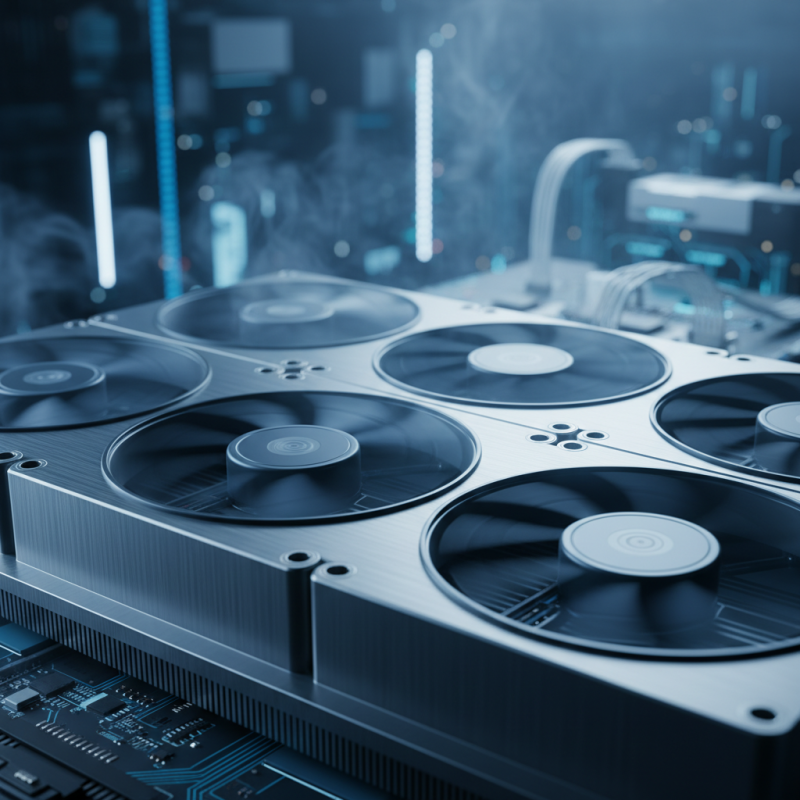
DC brushless cooling fans are renowned for their energy efficiency. They consume less power compared to traditional fans. This reduction in energy use can lead to significant savings on electricity bills over time. Their design also minimizes heat generation, which is crucial for maintaining device longevity.
One tip for maximizing energy efficiency is to select the right fan size for your device. An appropriately sized fan operates more effectively, reducing unnecessary energy consumption. Additionally, consider using temperature sensors to adjust fan speeds according to need. This offers better performance while further cutting energy costs.
While these fans provide many advantages, some users may experience noise levels that are higher than expected. It's important to assess your environment and select models that suit your noise tolerance. Regular maintenance is essential; dust buildup can impede efficiency, causing motors to work harder and use more power. Awareness of these factors can help mitigate negative experiences.
| Benefit | Description | Impact on Devices |
|---|---|---|
| Energy Efficiency | DC brushless fans use less energy compared to traditional fans, reducing overall power consumption. | Lower energy costs and prolonged battery life in portable devices. |
| Long Lifespan | With fewer moving parts and no brushes, these fans have a longer operational life. | Reduced maintenance and replacement costs for users. |
| Quieter Operation | These fans operate more quietly than brushed counterparts, contributing to a better user experience. | Ideal for noise-sensitive environments like offices and homes. |
| Compact Design | Often smaller and lighter than traditional fans, allowing for more flexible device designs. | Enhanced portability for laptops and other mobile devices. |
| Improved Reliability | Fewer components lead to lower failure rates and greater overall reliability. | Increased uptime for critical systems. |
| Better Thermal Regulation | Efficient airflow and speed control provide superior temperature management. | Protection against overheating in sensitive electronics. |
| Environmentally Friendly | Lower energy use translates to reduced overall environmental impact. | Aligns with sustainable practices and regulations. |
| Customizable Speed Control | Users can adjust speed settings for optimal cooling based on application needs. | Enhanced efficiency and performance tuning for different operational modes. |
| Easier Integration | DC brushless designs are often more compatible with modern electronic systems. | Simplifies design processes for new devices. |
| Cost-Effective in the Long Run | Initial investment may be higher, but savings in energy and maintenance are significant. | Overall reduction in lifecycle costs for devices. |

DC brushless cooling fans offer significant advantages that contribute to the enhanced longevity of electronic devices. These fans operate efficiently, reducing wear and tear on internal components. According to a report by the International Electrotechnical Commission, devices with brushless technology can experience up to 50% less energy loss compared to traditional fans. This efficiency translates into lower operational temperatures, significantly reducing stress on electronic parts.
One of the critical factors affecting device longevity is temperature management. Brushless cooling fans use sophisticated algorithms to regulate speed dynamically. This process helps maintain optimal temperatures, preventing overheating. An analysis from the Cooling Technology Institute states that consistent temperature control can extend the lifespan of devices by 30% or more. Additionally, the lower power consumption of these fans results in less strain on power supplies, further boosting device durability.
Despite these benefits, it is essential to recognize that no system is infallible. Users must properly maintain these cooling solutions to ensure long-term performance. Dust accumulation can hinder effectiveness, and periodic cleaning is necessary. This need for maintenance highlights that while DC brushless fans significantly enhance device longevity, user diligence remains crucial for realizing these benefits fully.
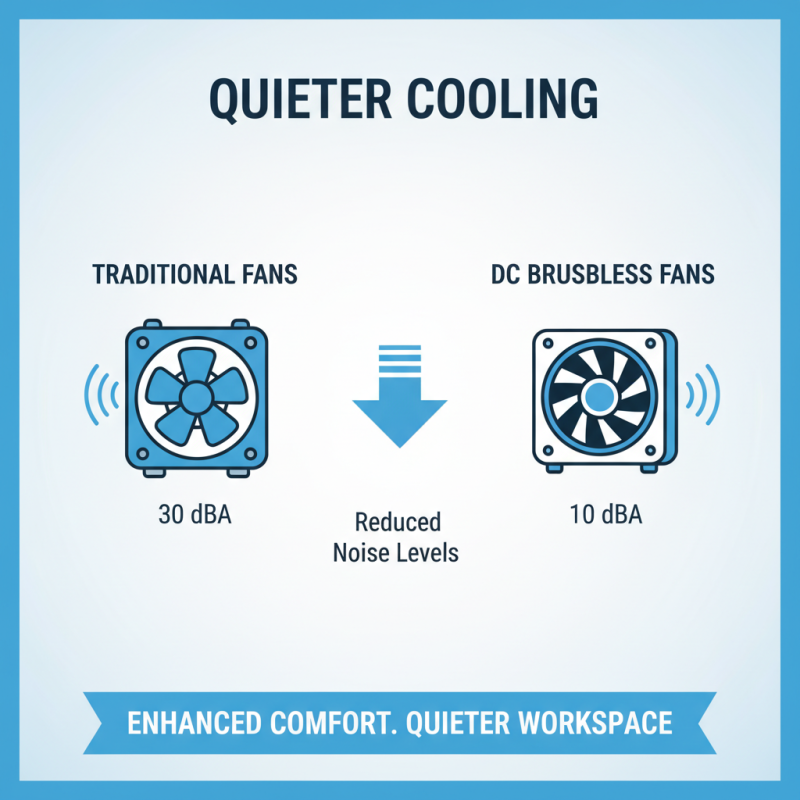
Dc brushless cooling fans have gained widespread popularity in modern devices due to their remarkably reduced noise levels compared to traditional cooling solutions. Research shows that these fans operate at noise levels as low as 10 dBA, significantly quieter than the 30 dBA typical of standard fans. This reduction not only enhances user comfort but also contributes to a quieter workspace.
The implications of less noise are considerable. In environments such as offices and home theaters, excessive noise can be distracting. By using brushless cooling fans, manufacturers can enhance the user experience. Data from industry reports indicate that a reduction in noise by just 5 dBA can lead to a 50% perception decrease of sound levels.
Moreover, the operational efficiency of Dc brushless fans can further promote quieter operation. Compared to their brushed counterparts, brushless types feature advanced motor technology. This results in lower electrical interference, which can lead to minimized vibrations and, consequently, reduced sound. It's essential to recognize that while quieter performance is appealing, users should consider the overall cooling efficiency and airflow when selecting cooling solutions. Balancing noise reduction with effective heat dissipation remains a challenge for many developers in this evolving field.
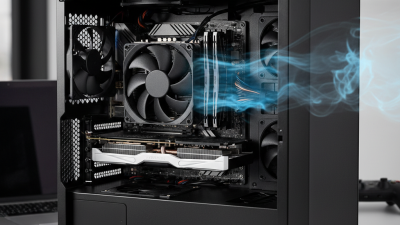
When it comes to cooling devices in limited spaces, DC brushless cooling fans emerge as a game changer. Their design optimizes airflow performance, making them ideal for compact environments like computer cases or small appliances. These fans can push air efficiently without taking up much room. Their ability to deliver high airflow at low noise levels contributes significantly to overall device performance.
In contrast to traditional fans, DC brushless models use electronic commutation. This technology not only enhances efficiency but also reduces vibrations. The result is a quieter operation—perfect for environments where noise can be a distraction. However, managing airflow in tight spaces can still pose challenges. Sometimes, airflow patterns might not be as effective as expected. Proper placement of these fans is crucial to maximize their potential.
Another aspect to consider is the heat dissipation. DC brushless fans excel at directing airflow precisely where it’s needed, preventing hotspots. But maintaining an effective cooling strategy can be tricky. Users must regularly monitor and adjust fan speeds for optimal results. This can lead to a trial-and-error approach. Despite the minor setbacks, the benefits of improved airflow performance in compact spaces make DC brushless cooling fans a w worthy investment.
DC brushless cooling fans offer remarkable versatility across various devices. Their design enables them to operate efficiently in diverse environments, from automotive applications to consumer electronics. A report from the Global Market Insights indicates that the demand for DC brushless fans is expected to grow significantly, reaching market valuations of over $3 billion by 2026. This growth reflects their adaptability and increasing applications in technology.
These fans excel in compact spaces where traditional fan systems fall short. Their lightweight construction and lower energy consumption are vital for battery-operated devices. Moreover, industries like telecommunications and computer hardware benefit from their quiet operation. A study by the Cooling Products Market Review highlights that almost 70% of cooling solutions now prefer brushless designs for better performance and longevity.
However, challenges remain. Some users report issues with compatibility, particularly in older equipment. Additionally, the initial cost can deter some manufacturers, even as the long-term savings are considerable. Improved awareness of their benefits is essential for wider adoption. Despite these hurdles, the benefits of using DC brushless fans cannot be overlooked in today’s technology-driven landscape.