What is an Axial Fan Mini Fan and How Does it Work?
In the realm of cooling technology, the "Axial Fan Mini Fan" stands out for its compact design and efficient airflow. Renowned expert Dr. Jane Mitchell, an industry pioneer with over 15 years of experience, emphasizes, “These fans are essential for small spaces where efficiency is critical.” Axial fans excel in moving air along the axis of the fan, making them ideal for various applications, from personal cooling to electronics.
The design features blades angled to maximize airflow, which is crucial in confined environments. Many users appreciate how these mini fans can fit into tight spots without sacrificing performance. However, it's important to understand that not all axial fans are created equal. The quality of materials and the motor's durability can vary. Investing in a reputable brand ensures reliability over time, minimizing maintenance challenges.
While the benefits are clear, there are also considerations. For instance, noise levels can be a concern for some users. A noisy fan can disrupt a peaceful environment. Thus, exploring noise ratings before purchasing is wise. The "Axial Fan Mini Fan" shows promise, yet a mindful approach will lead to informed choices.

What is an Axial Fan Mini Fan?
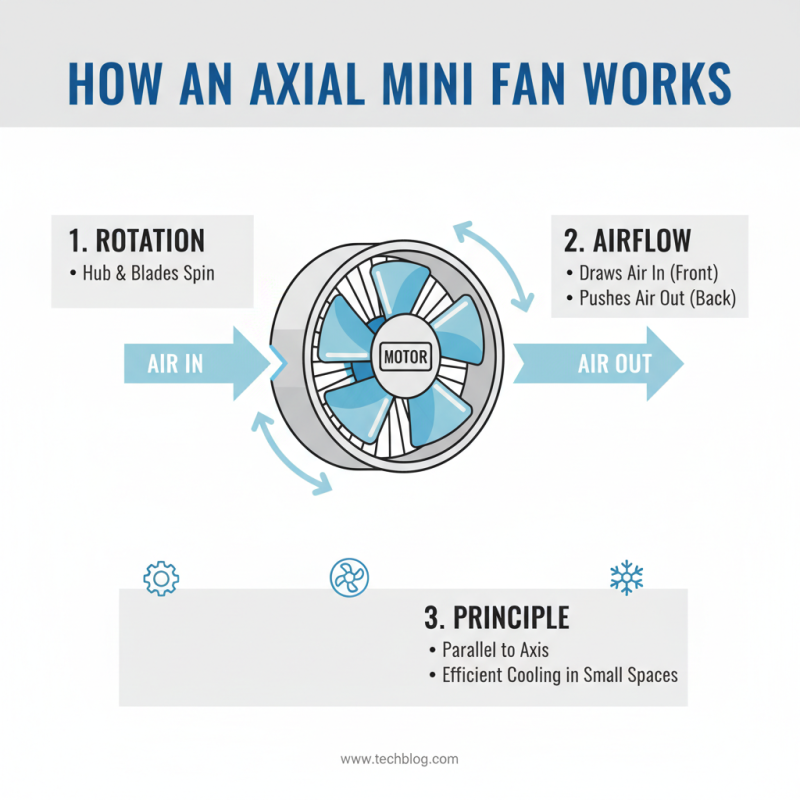
An axial fan mini fan is a compact device designed for efficient air movement. Unlike other fan types, axial fans move air parallel to the axis of the fan. This feature enables them to push air in a straight line, making them ideal for personal spaces. The design usually includes blades that are angled, allowing for greater airflow with less energy consumption.
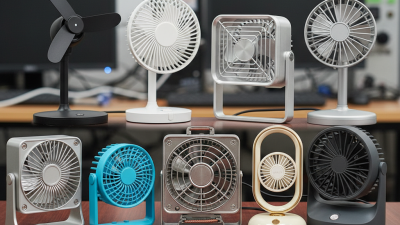
These fans come in various sizes and can fit in tight spaces. They are common in desktop applications, such as cooling electronics or providing a breeze in small rooms. The simplicity of design aids in easy maintenance. However, one might find that they are less effective in larger areas. In those cases, multiple units may be needed.
When choosing an axial fan mini fan, consider the airflow requirements. Each unit has its limitations in terms of power and noise levels. While they are generally quiet, some models can be surprisingly loud at high speeds. Understanding these factors is essential for making an informed choice.
Components of an Axial Fan Mini Fan Explained
An axial fan mini fan is a specialized device designed to move air efficiently. Its structure comprises several key components that determine its functionality. The main part is the rotor, typically with blades that can be adjusted to change airflow direction or volume. According to industry reports, axial fans can move large volumes of air at low pressure. This capability makes them suitable for various applications, from electronics cooling to industrial ventilation.
The fan casing plays another critical role. It guides airflow and reduces turbulence, making operation quieter. Additionally, the motor's efficiency is crucial in determining the fan's overall performance. Many modern axial fans use brushless motors, which offer longer lifespans and lower energy consumption. Research indicates that these motors can increase efficiency by approximately 30% compared to traditional options. However, this efficiency can come at a higher initial cost.
Despite their advantages, axial fans can present challenges. Proper sizing is essential to ensure effective ventilation. An oversized fan may create excessive noise, while a too-small model fails to provide adequate airflow. These issues can lead to increased energy costs and reduced user satisfaction. Understanding these components and their interactions is vital for anyone considering an axial fan mini fan for their specific needs.
How an Axial Fan Mini Fan Operates Mechanically
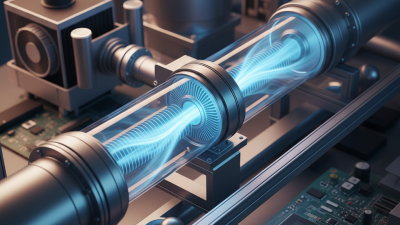
An axial fan miniature fan operates on a simple yet effective mechanical principle. The design is typically comprised of a central hub with blades attached, resembling a propeller. When the hub rotates, the blades create airflow parallel to the fan’s axis. The movement draws air in through the front and pushes it out the back, facilitating ventilation or cooling. This airflow pattern is efficient for cooling applications where space is limited.
Understanding how these fans function mechanically can provide insights into their applications. Each blade's angle, known as the pitch, influences the fan's efficiency and airflow rate. Lower pitches create less airflow but reduce noise. Conversely, steeper pitches increase airflow but can lead to more noise. Balancing these factors is crucial in designing a fan that meets user needs.
Despite their effectiveness, axial fans can struggle in high-pressure situations. When obstacles hinder airflow, performance may decrease. Users must consider these limitations when choosing a fan for specific applications. The relationship between airflow, speed, and pressure is often complex and requires careful analysis for optimal usage.
Benefits and Applications of Axial Fan Mini Fans
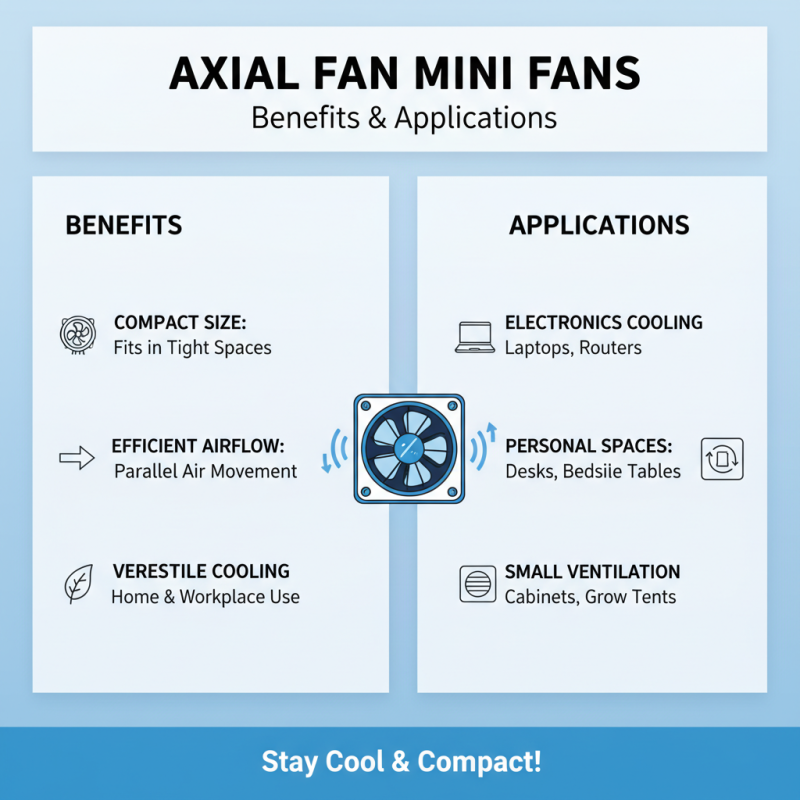
Axial fan mini fans are compact cooling devices that utilize blades to move air parallel to the axis of rotation. This design allows for efficient airflow in tight spaces. They are versatile and can be found in various applications, making them increasingly popular in homes and workplaces.
One of the key benefits of axial fan mini fans is their portability. They are lightweight and easily movable, making them ideal for personal use. These fans can provide comfort in small areas, such as bedrooms or workstations. Additionally, they are energy-efficient, consuming less power than traditional fans, which can lead to reduced electricity bills.
Moreover, axial fan mini fans are effective in cooling electronic devices. In tech-heavy environments, they help prevent overheating, extending the life of gadgets. However, their relatively small size can limit airflow compared to larger models. Users may need to adjust their expectations regarding cooling performance. This balance between portability and effectiveness is worth considering when choosing the right fan.
Maintenance Tips for Ensuring Axial Fan Mini Fan Efficiency
Maintaining the efficiency of an axial fan mini fan is crucial for optimal performance. These fans are commonly used in various industries, from HVAC systems to portable cooling solutions. Regular maintenance can significantly extend their lifespan and ensure they operate effectively. According to the American Society of Heating, Refrigerating and Air-Conditioning Engineers (ASHRAE), proper fan maintenance can improve efficiency by up to 30%.
Cleaning the fan regularly is essential. Dust and debris accumulation can drastically reduce airflow. A simple wipe down with a damp cloth and a gentle brush on the blades can prevent these issues. Additionally, check for any rust or corrosion. If found, treat it promptly to avoid further damage.
Another important aspect is to ensure the fan's alignment. Misalignment can create unnecessary strain on the motor, increasing energy consumption. An estimated 60% of fans operate inefficiently due to mechanical misalignments. Regular checks can help identify and rectify these problems early. Listening for unusual noises during operation can also indicate issues that need addressing. Preventive maintenance keeps fans running smoothly and efficiently, reducing long-term costs.
Efficiency of Axial Fan Mini Fan Over Time
This bar chart represents the efficiency of an axial fan mini fan measured over six months. It illustrates the variations in performance, highlighting the importance of regular maintenance to sustain optimal efficiency levels.